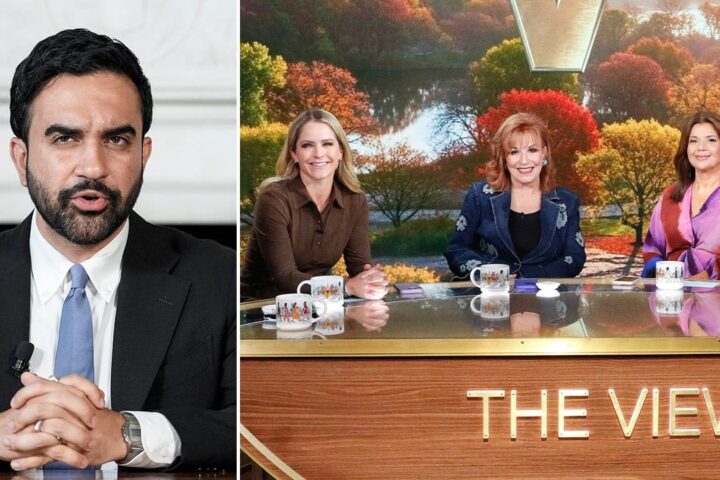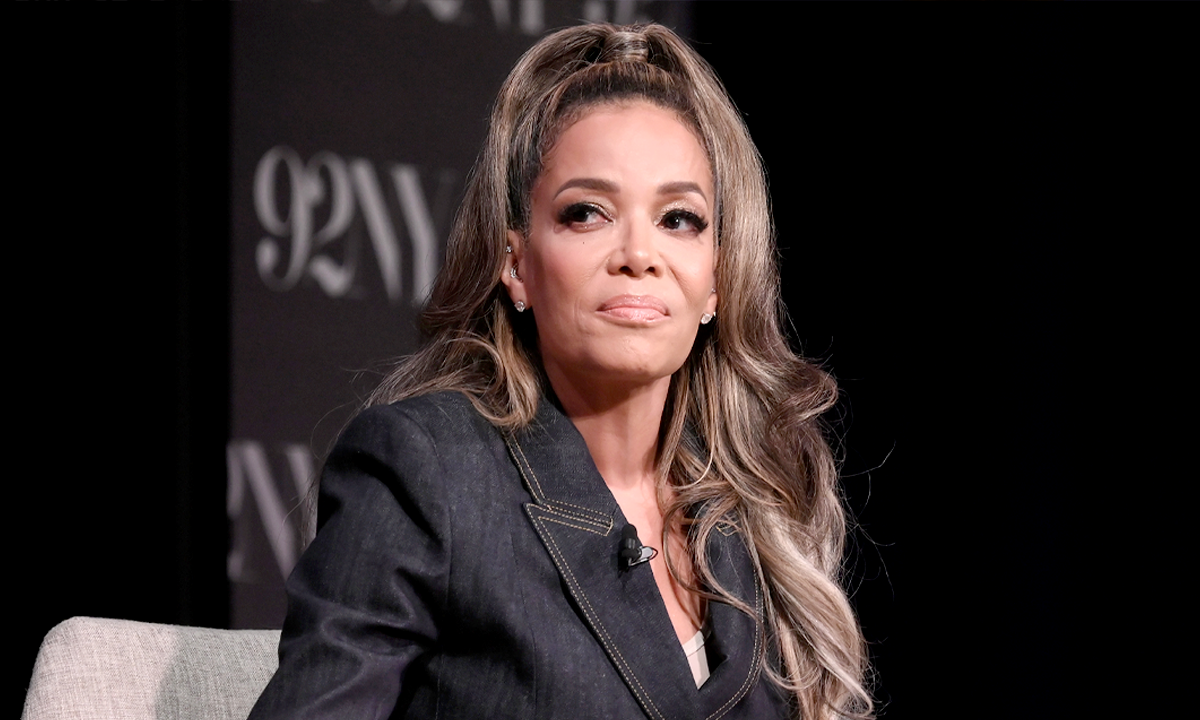
Sunny Hostin flag comments returned to the spotlight on The View when Hostin reiterated that she sometimes “I suddenly feel unsafe” in neighborhoods where American flags are displayed widely. She framed the remark as personal testimony, saying the symbol has been “co-opted” by some groups and can signal a threat to Black Americans.
Hostin said she first made a similar remark in 2021 and repeated that experience on air, stressing the comment reflects lived experience rather than an accusation about every flag display. The segment was organized around a viral photograph and reporting about a march in Washington, D.C., that weekend.
Sunny Hostin flag comments: what she said
On air, Hostin recalled language she used previously and restated it plainly: “I said there are times when I walk into a community and I see American flags all over the community and I suddenly feel unsafe because there’s a section of this country that has co-opted the American flag, and they equate being an American or an American flag with White supremacy.”
She framed the comment as testimony: a Black woman describing how certain public displays make her feel. Hostin emphasized that her statement is about specific contexts and symbols rather than the flag in every circumstance.
Reaction on The View
The panel’s responses were mixed and included both pushback and sympathetic framing. Alyssa Farah Griffin pushed back directly, saying, “The flag belongs to all of us,” and urging a view of patriotism as inclusive.
Guest Michelle Buteau offered a different, more personal emphasis. She described how the scene in the viral photo felt to some viewers and, in a moment of on-air commentary, likened the display to a kind of staged patriotism — even joking that it looked like a “4th of July cake” while underscoring how alienating clustered displays can feel to people in marginalized communities.
The panel also referenced prior defenses of similar remarks, including Hostin’s earlier public support for MSNBC analyst Mara Gay after Gay spoke about discomfort at clustered flag displays in a Long Island neighborhood. That exchange was cited by Hostin as part of her longer-standing point about symbolism and perception.
The viral Metro image and recent events
The on-air discussion was prompted in part by a widely shared photograph showing people in uniform on the Washington Metro while a Black woman sat on the same train. Hostin described that photograph as “a defining image of modern America for Black Americans.”
Reuters reported that a group identified as Patriot Front — which Reuters described as white nationalists — staged a march in Washington, D.C., over the weekend. That reporting provided context for the image and helped frame the segment as a discussion about how particular groups and uniforms, when tied to extremist ideology, can change how a symbol is perceived.
Fox News covered the television exchange and highlighted the on-air pushback and debate that followed. Together, the photograph and the reporting by news organizations framed the conversation as less about flags per se and more about when and how symbols are used.
Why it matters: flag symbolism and safety perceptions
Symbols such as the American flag can carry very different meanings depending on context, who displays them, and whether they are combined with other insignia. For many people the flag represents unity, service or civic pride. For others, especially when displayed with extremist markings or in uniformed demonstrations, it can feel exclusionary or threatening.
Hostin’s remarks underscore how personal testimony shapes public debate: what is patriotic to one person can be perceived as hostile by another when historical and social context is factored in. That divergence in meaning is why discussions about flags often become proxy debates about belonging, race and national identity.
Public-safety perceptions are not purely symbolic; they influence daily choices about where people feel comfortable walking, shopping or living. When symbols are widely seen as co-opted by extremist groups, they can alter neighborhood dynamics and civic conversations about acceptable public displays.
What comes next
The exchange on The View is likely to prompt additional commentary across cable, broadcast and social platforms. Producers and civic leaders may revisit questions about how public spaces are policed, how symbols are displayed, and whether community norms or clearer context can reduce misunderstanding.
There may also be follow-ups that focus on the photograph and the groups involved in the march, as reporters seek on-the-ground context and organizers respond. Public officials and civil-society groups sometimes weigh in on these debates, offering mediation or guidance on community standards.
FAQ
Why did Sunny Hostin say she feels unsafe around American flags?
Hostin said the feeling is personal and rooted in experiences where flags and related symbols appeared to be used by groups she associates with white supremacy. She described it as a reaction to specific displays and insignia rather than to the flag itself.
Did Hostin repeat an earlier statement from 2021?
Yes. Hostin reiterated language she first used in 2021 and referenced prior instances in which she defended colleagues who described similar discomfort. She presented the remark as continued testimony about how certain clustered displays read to some Black Americans.
What image sparked this segment on The View?
Panelists discussed a viral photo of people in uniform riding the Washington Metro while a Black woman sat on the train. Reuters reported on a related march in Washington that weekend involving members of a group it identified as Patriot Front, which provided additional context for the photograph.
Source attribution
This article draws from reporting by Fox News on the television segment and Reuters coverage of the Washington, D.C., march. Read the original pieces for full context:
- Fox News: The View co-host Sunny Hostin laments ‘suddenly feel unsafe’ in neighborhoods with American flags
- Reuters: Masked Patriot Front white nationalists stage July 4 march through D.C.
Reporting summarized and attributed above. The article focuses on viewers’ and panelists’ descriptions of the episode, with direct quotations taken from the on-air segment as reported by Fox News and contextual reporting from Reuters.