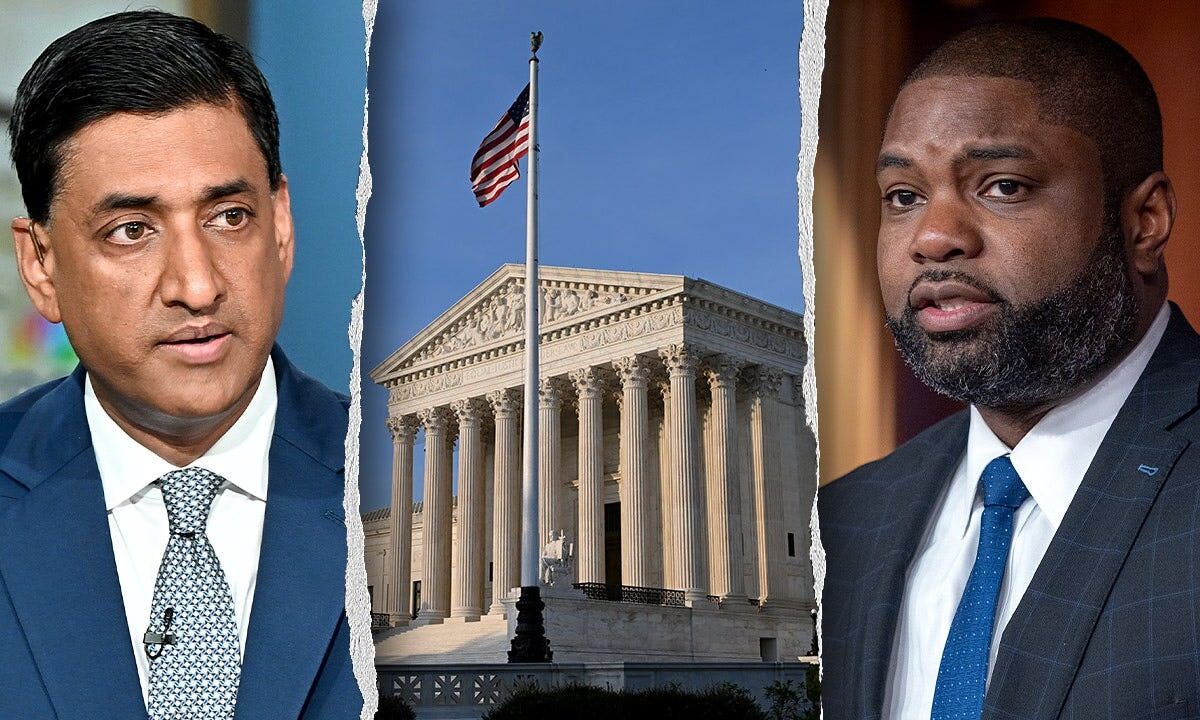
The Supreme Court issued a 6-3 ruling preserving birthright citizenship under the 14th Amendment, rejecting the administration’s effort to end automatic citizenship for children born on U.S. soil. “It’s a terrible decision,” Rep. Byron Donalds told Fox News Digital, underscoring the partisan split the ruling produced.
The majority held that the Citizenship Clause of the 14th Amendment continues to confer birthright citizenship to children born in the United States. The court concluded that the constitutional text and longstanding precedent control who qualifies as a citizen at birth, and that changes to that guarantee belong to Congress and, if necessary, the formal amendment process rather than unilateral executive action.
What the Court decided on birthright citizenship
The 6-3 decision rejected the bid to sever the connection between birthplace and automatic citizenship through executive action. The majority framed the issue as one of textual interpretation and precedent: the Citizenship Clause’s language, read in light of Supreme Court precedents, protects children born on U.S. soil regardless of their parents’ immigration status.
In practical terms, the ruling means the settled constitutional reading of birthright citizenship remains in place. The opinion signals that any narrower definition would require legislative change or a constitutional amendment — paths that pose high political and legal hurdles.
Dissent: Thomas, Gorsuch and Alito on limits and “birth tourism”
Justices Clarence Thomas, Neil Gorsuch and Samuel Alito dissented. They argued the Citizenship Clause does not inevitably cover children born to parents they described as unlawfully or only temporarily present in the United States. In his dissent, Justice Alito warned about what he called a rise in “birth tourism,” saying the court’s majority failed to account for modern practices that, in his view, bear on the Clause’s application.
The dissent pushed for a narrower reading that would tie birthright citizenship more closely to the legal status of parents. The majority disagreed, finding those policy concerns insufficient to override the text and precedent that have defined the Clause for over a century.
Split reactions on Capitol Hill
Reaction on Capitol Hill cut across party lines. Republican Rep. Byron Donalds condemned the ruling as a setback for immigration control. Several House conservatives signaled that the decision will intensify legislative efforts to address issues they associate with the ruling, though changing the Constitution would remain unlikely.
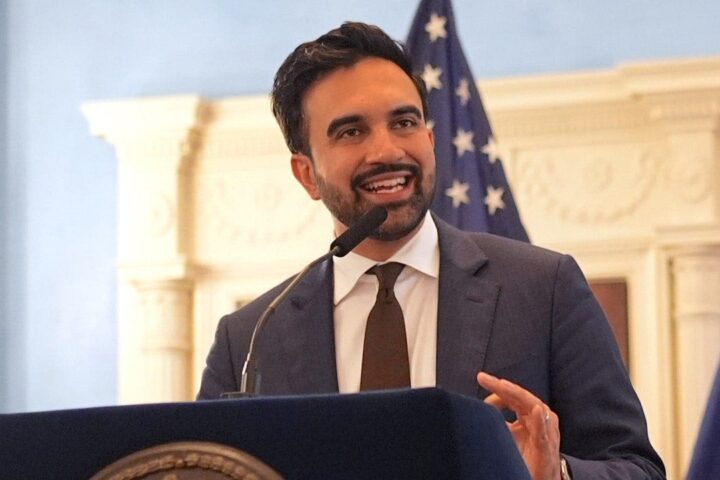
Democrats pushed back. Dallas County District Attorney Christian Menefee praised the court’s adherence to constitutional text, saying the decision reflected established law. Rep. Ro Khanna, D-Calif., framed the issue around policy tools, urging tighter regulation of short-term visitor rules rather than stripping citizenship from children born here.
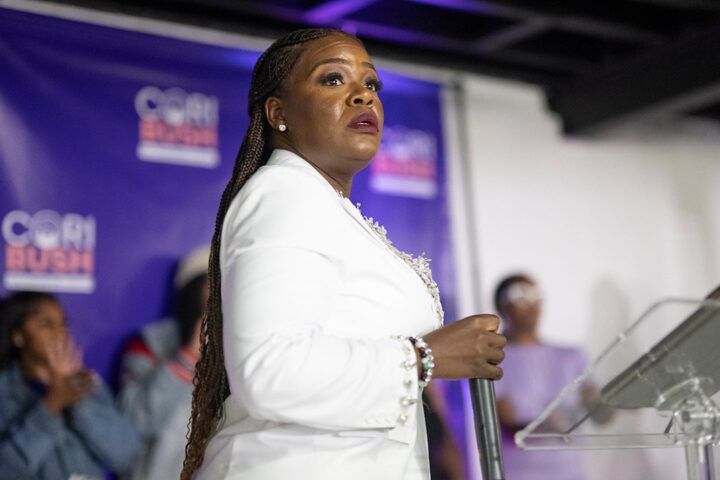
Other lawmakers offered sharper partisan frames. Rep. Sarah Elfreth accused the administration of policies aimed at making life harder for immigrants, while Rep. Bennie Thompson said many Americans should welcome the court’s reinforcement of constitutional meaning over unilateral executive action.
Expert reaction and legal context
Independent legal analysts noted the decision centers on textualist readings of the 14th Amendment and established Supreme Court precedent. Coverage and analysis from legal outlets and the Court’s own materials highlight that the majority emphasized historical practice and prior rulings in reaching its conclusion.
Those hoping for narrower rules now face a path through Congress or further litigation. Observers at SCOTUSblog and other legal forums are parsing the majority opinion for how broadly the Court left open future challenges and which factual scenarios might prompt further litigation.
What this means for immigration policy
Legally, the decision puts the immediate burden for change back on Congress and the constitutional amendment process. Politically, it is likely to sharpen debates over immigration policy, including efforts to address so-called birth tourism through statute or visa rule changes.
For the Trump administration and supporters of tighter citizenship rules, the ruling represents a setback to a key element of the immigration agenda. For advocates of maintaining current citizenship practice, the decision affirms a long-standing constitutional baseline and shifts the fight to legislative and administrative arenas where policy tools remain available.
Any congressional proposals aimed at curtailing the effect of the ruling would face steep legal and political obstacles. Meanwhile, agencies could still pursue regulatory changes related to visas and visitor admissions that address some concerns raised in the dissent, though those measures would be narrower in scope than a change to birthright citizenship itself.
Source attribution and next steps
This article draws on Fox News reporting and the Court’s public materials. For original news coverage, see Fox News: WATCH: Controversial SCOTUS decision strikes a divide among lawmakers. For primary legal materials and the Court’s publications, see the Supreme Court website: supremecourt.gov. Independent legal analysis can be found at SCOTUSblog: scotusblog.com.
What comes next: expect statements and possible legislative proposals from lawmakers who oppose the ruling, and continued legal and policy debate over visa rules and enforcement. The opinion will be closely read for how it bars or allows future challenges and what avenues remain for those seeking policy change.