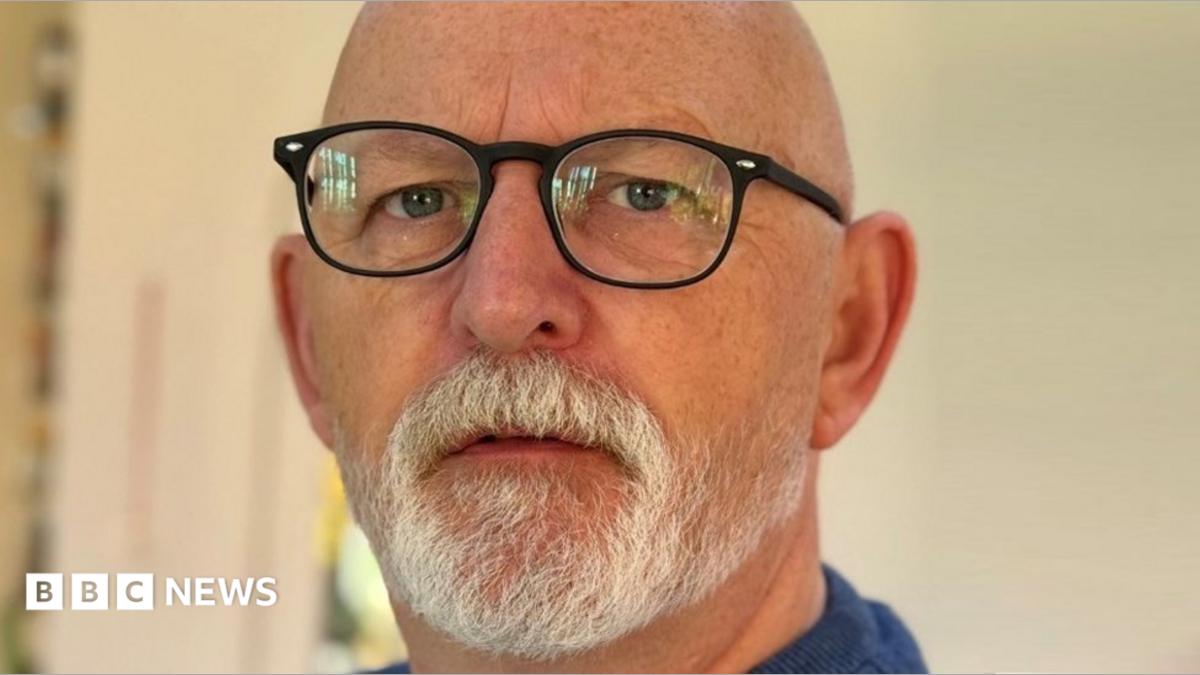
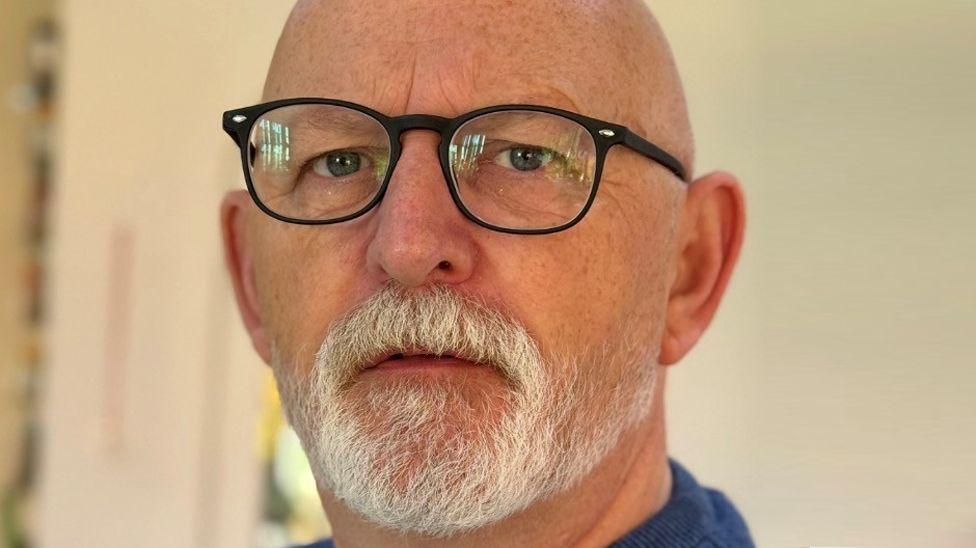
An inquest into a train crash recorded that driver Shaun Burton died from traumatic injuries and that 102 people required hospital treatment after the collision. The coroner’s short hearing set out the medical cause of death and confirmed the scale of the casualties, but it did not determine what caused the crash.
Train crash inquest: main findings
The coroner’s record stated that Shaun Burton’s cause of death was traumatic injuries sustained in the collision. The inquest provided a formal medical finding on the driver’s death but stopped short of attributing responsibility for how the crash occurred.
The hearing also reported that 102 people required hospital treatment following the incident. That figure was presented as the number of people who received care in hospital settings after emergency services responded.
Scale of injuries and hospital response
The number given at the inquest — 102 people treated in hospital — reflects the immediate medical response, including triage, emergency department assessments and treatment for injuries. In such incidents, “hospital treatment” may cover a range from brief examinations to short inpatient stays.
Ambulance services, emergency doctors and hospital teams typically coordinate to manage a large surge of patients after a major rail incident. The inquest highlighted the scale of demand placed on local health services without releasing individual medical records or detailed case-by-case conditions.
Because coroners must balance public disclosure with privacy and sensitivity, the inquest did not provide a detailed breakdown of injuries or identify patients beyond the aggregate number. That approach aims to respect confidentiality while establishing factual findings.
What the inquest does and does not say
An inquest’s formal role is to establish who has died and to record how, when and where the death occurred. In this case the coroner reached a medical conclusion that the driver, Shaun Burton, died from traumatic injuries sustained in the collision.
The inquest did not determine the cause of the collision. Coroners do not assign criminal or civil blame; they provide factual and medical findings. Any conclusions about why the crash happened are for police investigators, rail safety bodies or future judicial proceedings if evidence warrants further action.
The hearing deliberately avoided commenting on operational responsibility, witness statements that remain under investigation, or sensitive medical details about individual passengers. Those topics may be addressed by other bodies with investigative or prosecutorial powers.
Why it matters
The confirmation that 102 people required hospital treatment underscores the public safety and community impact of the collision. Large numbers of casualties can strain emergency responders and hospital capacity, and they raise questions about preparedness and risk mitigation on the rail network.
Coroner findings that clarify medical facts are important to families, survivors and the public because they establish an official record. Clear medical conclusions can also focus attention on areas where safety improvements, operational changes or further investigation may be needed.
What comes next in the legal process
After a coroner records cause of death, separate police inquiries or rail industry safety investigations typically continue. These procedures examine the circumstances of the collision, gather further evidence and may publish independent reports on factors such as signalling, infrastructure or operator procedures.
If investigators find evidence suggesting criminal activity or regulatory breaches, that could lead to prosecutions or enforcement actions. Otherwise, safety bodies may issue recommendations or require changes to reduce the risk of similar incidents in future.
Families and interested parties sometimes request additional disclosure or pursue civil claims, but those processes are separate from the coroner’s factual findings at the inquest.
Context and background
Inquests usually proceed after immediate emergency responses and urgent investigations are complete, enabling a coroner to review medical records, witness accounts and other material. The coroner’s task is narrowly focused on establishing factual information about deaths.
Aggregate numbers given at an inquest, such as the 102 people who needed hospital treatment, can be provisional and may be referenced or updated in later, separate investigations that examine operational detail and causation.
Readers should expect follow-up reporting from investigators and transport authorities that will address the sequence of events, any contributory factors identified and recommendations to improve safety.
Source attribution
This report is based on BBC News coverage: “Train crash driver died from traumatic injuries” (BBC News, 14 July 2026). For the original reporting, see BBC News — Train crash driver died from traumatic injuries (14 July 2026).