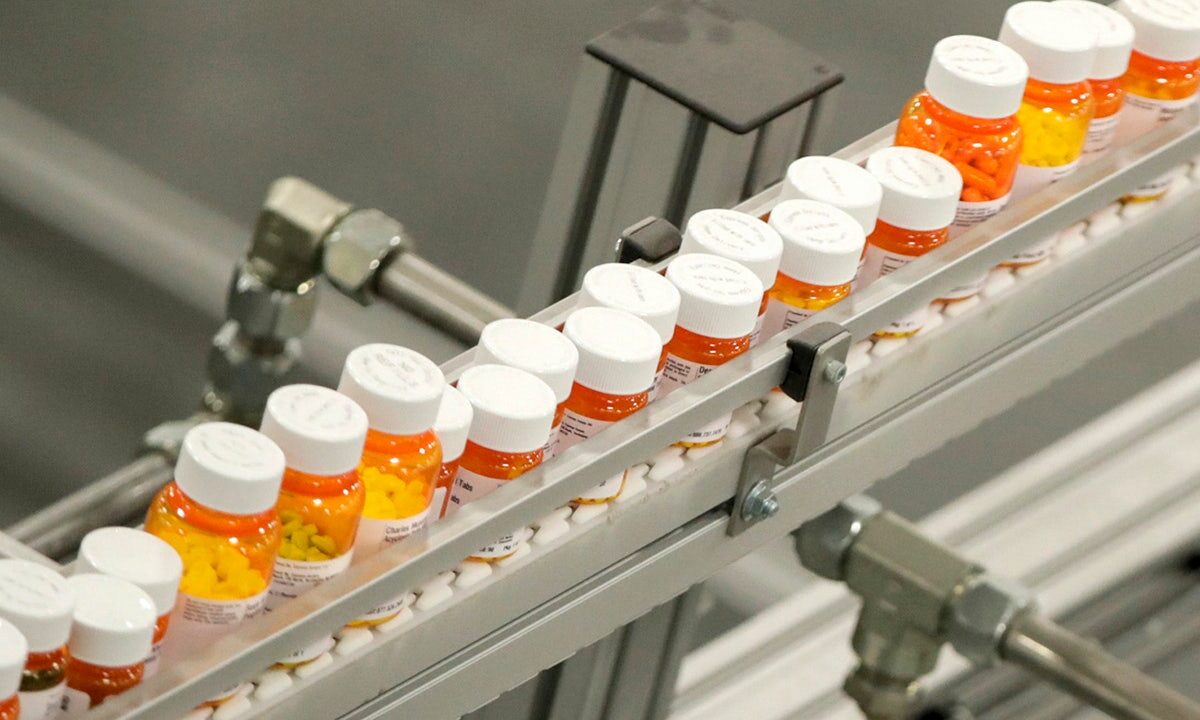
The Trump drug price war took a trade-law turn on June 18 when the U.S. Trade Representative opened a formal Section 301 investigation into Germany’s pricing of innovative medicines. USTR Jamieson Greer said the review — which the agency says targets “persistent underpayment for innovative pharmaceutical products” — will run into the fall, with a public hearing scheduled for Sept. 22 and the possibility of tariffs if unfair practices are found.
U.S. trade action announced June 18.
What happened
On June 18, USTR announced the formal opening of a Section 301 inquiry focused on German policies and practices governing payment for U.S.-developed pharmaceuticals. Section 301 empowers the United States to investigate foreign laws, policies or practices that may be unjustified, unreasonable, discriminatory or that burden U.S. commerce and to consider trade remedies where warranted.
The public record released with the announcement names Jamieson Greer as overseeing the action and sets a public hearing for Sept. 22. USTR said it will gather written comments and evidence and that the probe will continue through the fall as the agency evaluates potential remedies.
Trump drug price war: why Germany is targeted
USTR’s statement frames the review around an allegation that Germany pays substantially less for some innovative U.S. medicines, describing the situation as “persistent underpayment for innovative pharmaceutical products.” That characterization comes from the administration’s announcement and related source commentary.
Some claim, in commentary tied to the announcement, that Germany’s payment practices amount to effectively shifting development costs away from domestic purchasers; such statements are presented here as attributed assertions from the source material rather than independently verified facts. German officials and critics have pushed back, warning a trade confrontation could complicate broader transatlantic relations.
How the probe could affect prices and trade
If USTR finds practices that it deems unfair, one available response would be tariffs on selected imports from Germany. The agency has listed tariffs among potential tools but has not proposed any specific tariff list or schedule. Any tariff decision would follow additional procedures, including public comment and further review.
The administration also cited industry estimates that bringing a new drug to market can average roughly $2.7 billion, an often‑used figure in policy debates about pharmaceutical pricing and innovation. USTR and supporters argue that steep discounts abroad can erode revenues that fund research and development; critics say the relationship between international price differences and domestic affordability is complex and contested.
The announcement also cited the United Kingdom as an example where U.S. pressure and negotiations prompted changes that the administration described as reducing distortions in cost allocation for drug development. Independent assessments of the U.K. outcome vary, and assertions about its exact impact are presented here as attributed to the source’s framing.
Timeline and next steps
Key dates and milestones announced by USTR:
- June 18 — Formal opening of the Section 301 investigation.
- Sept. 22 — Public hearing where witnesses and stakeholders can present testimony and evidence.
- Fall — USTR will continue to gather evidence and public comment as it evaluates possible remedies, which could include tariffs.
Between now and the hearing, USTR will accept written comments and may hold additional briefings or supplemental proceedings as it assembles the administrative record and responses from affected parties.
Source attribution and disputed claims
This article summarizes the USTR announcement and an opinion-piece framing of the action. Content that is disputed or advocacy-based — for example, claims that Germany has “forced” steep discounts or that Americans pay multiple times what Germans pay for the same medicines — is attributed to the cited sources and is not presented here as independently verified fact.
Primary sources cited: USTR announcement and related materials (see USTR for official documents) and a Fox News opinion piece that framed the action as part of a broader “drug price war.” Readers should treat contested assertions in the opinion piece as attributed commentary.
Links: USTR (official): https://ustr.gov/issue-areas/enforcement/section-301-investigations; Fox News opinion: https://www.foxnews.com/opinion/trumps-drug-price-war-europe-aims-make-things-cheaper-americans.
Readers should note this report is based on official announcements and opinion-source commentary; contested statements are clearly attributed and presented as claims rather than settled facts.