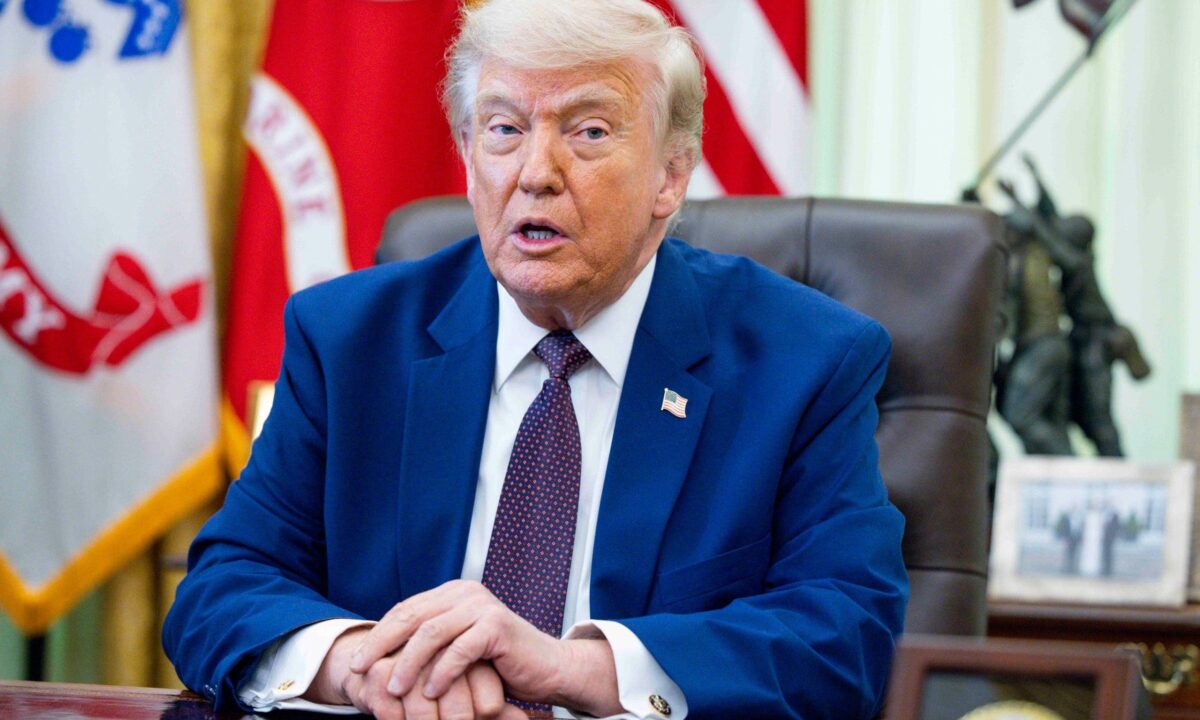
Trump pardons right-to-repair mechanics, President Donald Trump announced on Truth Social and in a White House statement, framing the clemency as relief for people he said were “persecuted” for repairing vehicles. In a single-sentence summary: the White House presented the pardons as part of a broader push to protect self-repair rights while intersecting with an ongoing federal prosecution related to diesel emissions.
Quick facts
- Donald Trump announced full executive pardons for six people and posted about the action on Truth Social.
- The administration tied the pardons to a right-to-repair policy push and cited the Elite Diesel prosecution as the prominent related case.
Trump pardons right-to-repair mechanics: who and why
The president characterized the recipients as mechanics “persecuted” for performing vehicle repairs, and said the cases came to his attention amid a White House effort to expand Americans’ ability to repair their own cars. In his post on Truth Social the president wrote, “I AM SETTING THEM ALL FREE, RIGHT NOW!” White House officials framed the grants as consistent with a recent presidential memo on repair access and the sale of aftermarket parts.
Statements from the White House described the action as both a policy and clemency decision; those statements linked the pardons to the administration’s effort to reduce barriers to independent repairs. That framing is the administration’s characterization; prosecutors and environmental investigators have described some of the underlying matters as deliberate schemes to evade emissions monitoring, which they say is distinct from ordinary consumer repair work.
The Elite Diesel prosecution and federal claims
The most prominent case cited by the administration involves Elite Diesel Service Inc. and its owner, Troy Lake Sr. Court filings show Troy Lake Sr. was sentenced on Dec. 5, 2024, in connection with charges brought by federal prosecutors. According to plea agreements and charging documents reviewed by reporters, prosecutors alleged Elite Diesel instructed employees to disable computerized on-board diagnostic systems on hundreds of heavy-duty commercial trucks between 2017 and 2020.
Prosecutors, in court filings, alleged that at least 344 heavy trucks had their diagnostics manipulated so emissions malfunctions would not trigger detection. The Department of Justice charged businesses and individuals and sought penalties; the Environmental Protection Agency’s Criminal Investigation Division carried out elements of the probe, according to government statements and filings. Those government sources described the conduct as a coordinated effort that, they say, increased emissions beyond legal limits.
All of those claims about the scale and effect of the conduct are described in charging papers and plea documents. Defendants and some defense attorneys have disputed wording and characterization in public statements and filings; because legal appeals and post-sentencing motions can alter outcomes, the government’s allegations remain distinct from final judicial findings in each case where appeals or collateral litigation continue.
Policy context: the right to repair and the presidential memo
Earlier this week the president signed a presidential memo aimed at expanding consumers’ and independent shops’ access to repair information and aftermarket parts for vehicles, according to White House materials. Administration officials and supporters say the memo seeks to reduce costs and allow owners and independent mechanics to service vehicles without being forced to use dealer-only systems.
Supporters of broader repair rights argue that allowing access to parts and diagnostic information increases competition and lowers costs for consumers. Enforcement officials and prosecutors counter that criminal cases in recent years have targeted deliberate tampering with emissions-control and monitoring equipment, not ordinary maintenance or lawful replacement of parts. The administration says its policy will protect ordinary repair activity while critics warn it could complicate enforcement of environmental safeguards.
Public health, legal stakes and what comes next
In their filings, prosecutors cited technical analyses and estimates they say show tampered trucks released more than 1,300 tons of excess nitrogen oxides over the period alleged — a figure described in charging documents. The EPA Criminal Investigation Division described the probe to the Justice Department as addressing widespread tampering that harmed air quality, according to government statements and court records.
The clemency raises immediate legal questions. Clemency for individuals does not erase corporate penalties or civil remediation orders in many cases, and courts, prosecutors and regulators will need to weigh how the pardons affect remaining defendants, mitigation plans, fines and consent decrees. Some companies and individuals ordered to pay fines or undertake environmental mitigation may seek guidance from courts or the Department of Justice about whether prior settlements or sentences should be revisited.
Administratively, the Justice Department’s Office of the Pardon Attorney typically posts formal notices of clemency and maintains records about executive grants. Prosecutors could also pursue separate civil enforcement or regulatory actions through EPA and other agencies even where criminal penalties are affected. Regulators and environmental advocates say they will review available remedies and may press for continued oversight to protect public health, while policy advocates for repair access say enforcement tools should not be used to penalize ordinary repair activity.
Background
The right-to-repair movement has pushed for laws and policies that require manufacturers to provide diagnostic information, parts and repair manuals to independent shops and consumers. Proponents say these rules improve competition and consumer choice; opponents in some industry sectors argue that unrestricted access can create safety and emissions risks if information or parts are misused. The presidential memo cited by the White House seeks to tilt federal policy toward greater access, while leaving environmental protection obligations in place.
What comes next
Expect both administrative and legal follow-ups. The Office of the Pardon Attorney will publish official clemency listings, and affected parties may file motions or appeals in federal court to clarify the effect of individual pardons on related corporate or civil matters. EPA and state regulators could pursue independent enforcement actions; at the same time, Congress and stakeholders could debate whether additional statutory protections or guardrails are needed to balance repair access with emissions enforcement.
Reporting: this account draws on White House statements, court filings, plea agreements and reporting by national outlets. For the official list of clemency actions and guidance on pardons and commutations, see the Justice Department’s Office of the Pardon Attorney: justice.gov/pardon.
Sources: White House statements and Truth Social posts by President Trump; court filings and plea agreements filed in the Elite Diesel matter; Department of Justice materials and public statements by the EPA Criminal Investigation Division; reporting by national news organizations.