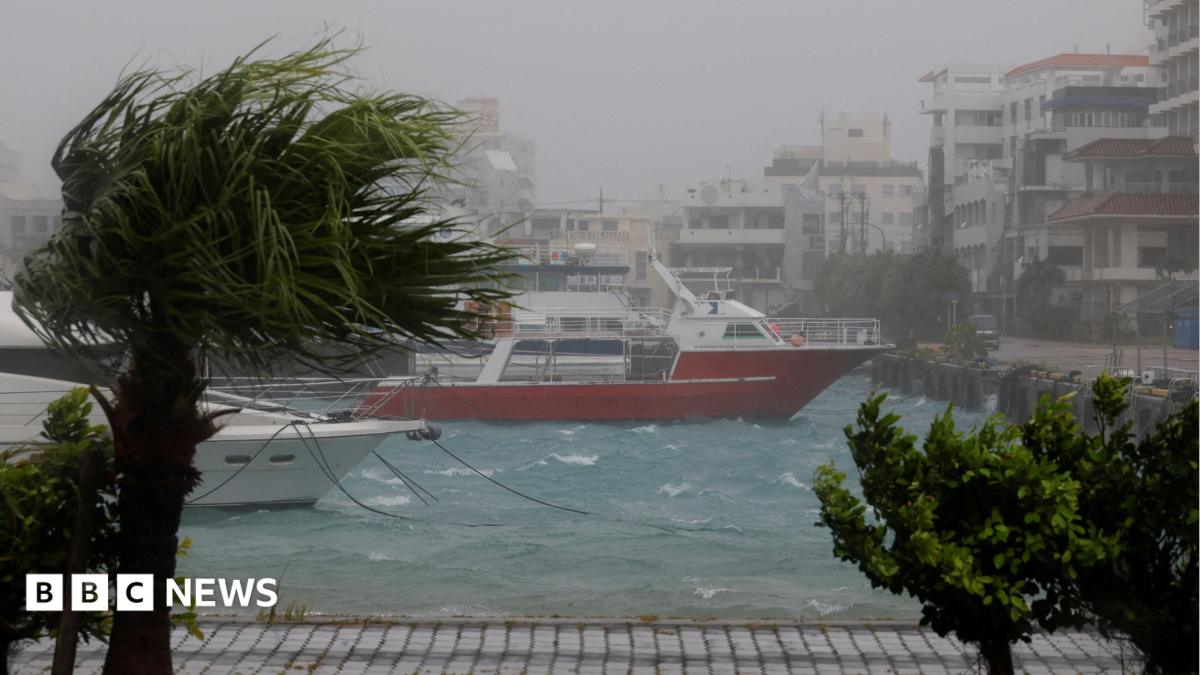
Eastern Zhejiang province has begun large-scale evacuations as Typhoon Bavi moves toward landfall. Local authorities say hundreds of thousands of people have been moved from vulnerable coastal and low-lying areas, with the city of Wenzhou close to the storm’s projected path.
The situation is evolving. Officials and meteorological agencies are warning residents to follow local orders and prepare for heavy rain, strong winds and flooding in the next 24 to 48 hours.
What we know now about Typhoon Bavi
Typhoon Bavi is approaching eastern Zhejiang province, according to reporting from BBC News. The storm is expected to make landfall soon, with forecasts placing Wenzhou near its path.
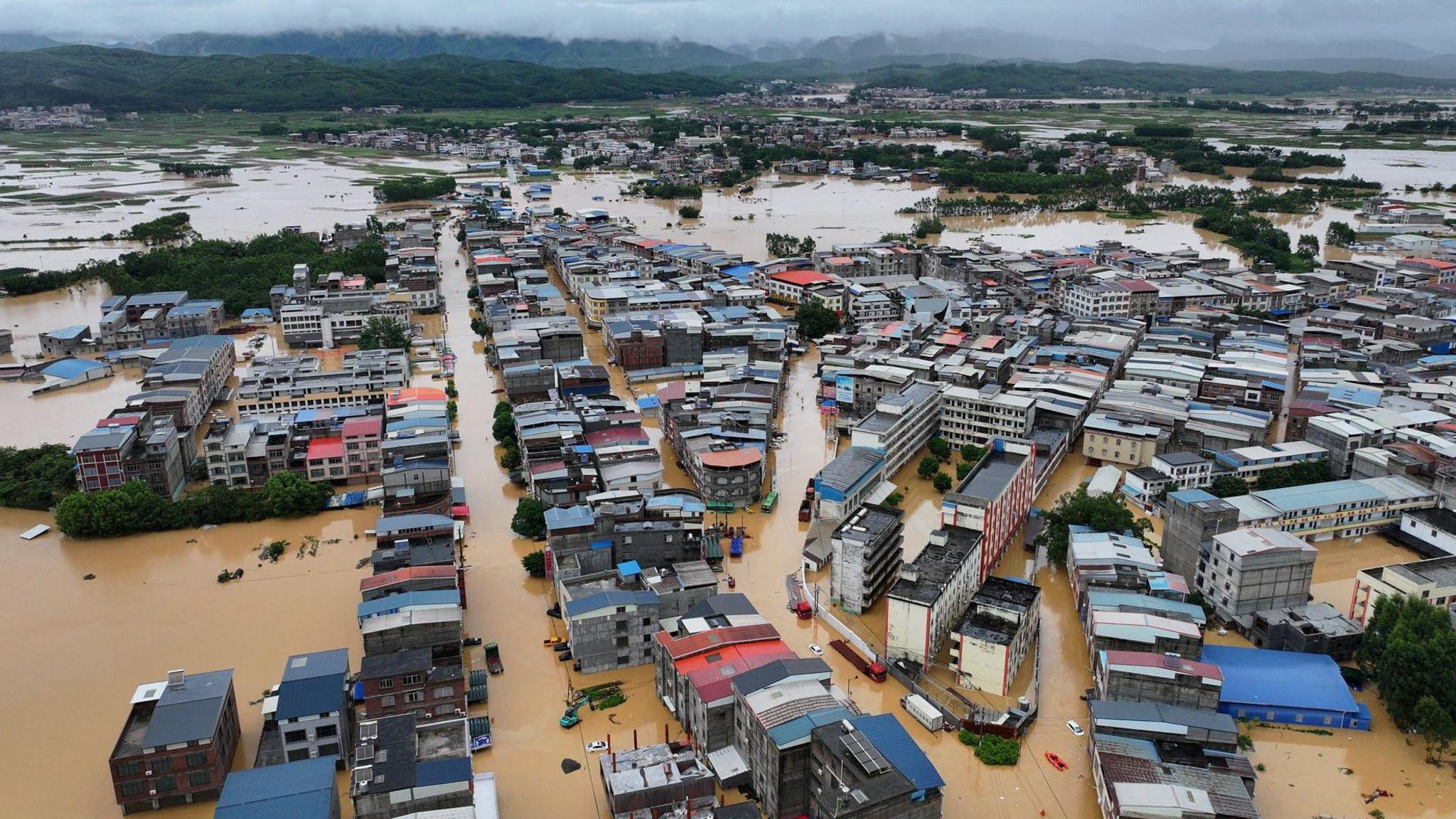
Authorities have evacuated what the BBC describes as “hundreds of thousands” of people from coastal and low-lying districts. That figure is an approximate tally provided by local officials and reported by the BBC.
At the time of reporting, detailed information about casualties or damage was not available. Official updates are focusing on immediate public safety and evacuation logistics rather than impact assessments.
Where Bavi is headed and timing
Forecast models and meteorological warnings show the storm tracking toward eastern Zhejiang, with the closest large city named in reports being Wenzhou. Agencies are continuing to refine the storm’s expected track and timing as it moves closer to shore.
Local forecasts cited by reporting indicate the most severe conditions could arrive within the next day or two. Exact landfall location and timing can change as the system shifts; residents should treat current timelines as provisional and act on official advice.
Evacuations and local orders
Local governments have issued evacuation orders for coastal and flood-prone areas of eastern Zhejiang province, moving people to safer inland locations. The BBC reports authorities have relocated “hundreds of thousands” of residents in a broad, pre-emptive operation.
Evacuation centres and transport arrangements have been organised to move people away from higher-risk zones. Officials have urged those in designated areas to leave immediately and follow instructions on routes and shelter locations.
People not under active evacuation orders are being advised to stay indoors, prepare emergency supplies and remain ready to move if directives change. Authorities also warn against returning to evacuated areas until they have been declared safe.
Local risks and immediate safety steps
Residents should expect three main hazards from Typhoon Bavi: strong winds, heavy rainfall, and coastal flooding. Each can present immediate dangers to life and property, particularly in low-lying and coastal communities.
Short, practical steps: comply with ordered evacuations; avoid travel in affected areas; move to higher ground if you are in a flood-prone location; secure loose outdoor items; unplug non-essential electrical equipment; and keep an emergency kit with food, water, medicines and important documents.
Emergency services emphasise not relying on unverified social media reports for evacuation routes or shelter availability. Use official government channels and recognised weather services for confirmed instructions and updates.
What comes next
Meteorological agencies will continue to issue updated forecasts as Bavi approaches. Emergency services are expected to refine evacuation orders, route information and shelter details in response to changing conditions.
Expect disruptions to transport, ports and public services while the storm passes. Local authorities and weather services will publish any necessary road closures, transport suspensions and shelter openings; residents should monitor those announcements closely.
The BBC report quoted officials describing the evacuations as “hundreds of thousands” — a reminder that figures are approximate and could be revised as authorities complete their movements and assessments.
Source attribution
This report is based on BBC News coverage. For the latest official updates and detailed forecasting, see the original BBC piece: China braced for second typhoon in a week as Bavi approaches landfall
For emergency guidance, follow local government and meteorological service channels in Zhejiang province.
Frequently asked questions
Where will Typhoon Bavi make landfall?
Forecasts place the landfall in eastern Zhejiang province, with Wenzhou named as close to the projected path. Exact landfall location and timing can change as the system moves; follow official forecasts for updates.
Are evacuations in eastern Zhejiang mandatory?
Local authorities have ordered evacuations in coastal and low-lying areas and have moved residents described as “hundreds of thousands.” If you are in an area subject to an evacuation order, you should follow local instructions immediately.
How severe is Typhoon Bavi expected to be?
Reports indicate Typhoon Bavi is strong enough to prompt mass evacuations, with risks of heavy rain, strong winds and flooding. The BBC reporting does not include detailed damage or casualty projections at this stage.