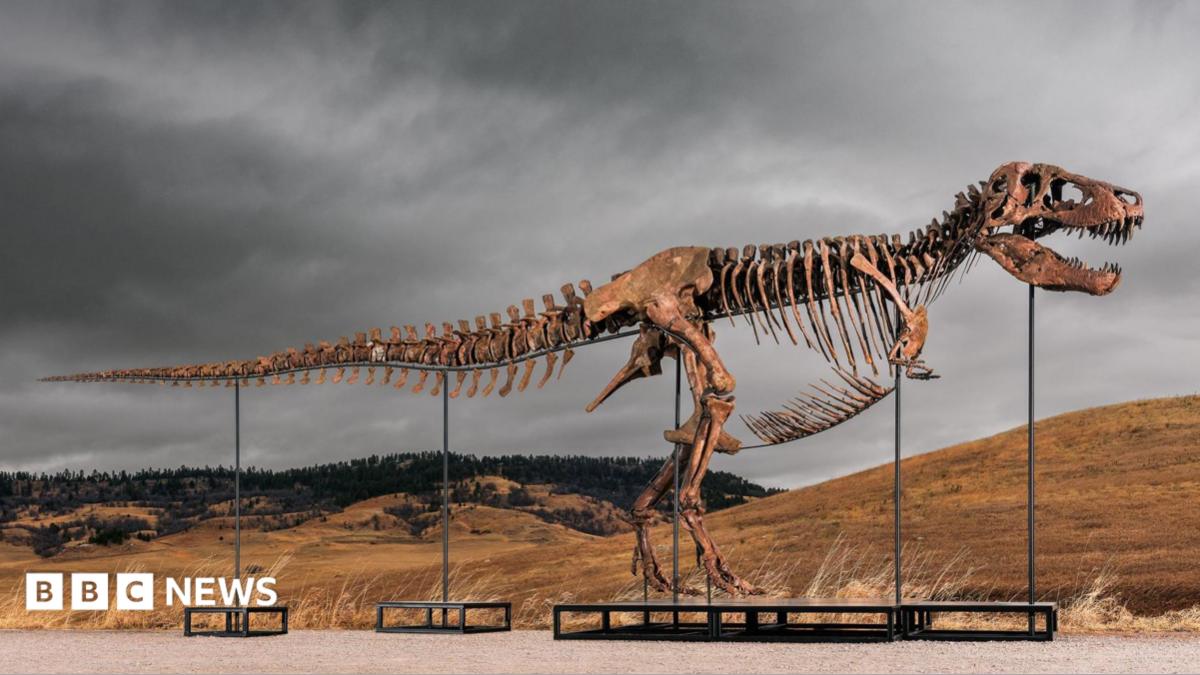
BBC News and Sotheby’s confirm a Tyrannosaurus rex skeleton was sold at a Sotheby’s sale in New York, with BBC describing the specimen as the most expensive dinosaur ever sold. Sotheby’s held a public preview in New York before the lot went under the hammer, but both the broadcaster and the auction house have not released the final sale price or identified the buyer.
Sale summary
Quick facts drawn from BBC coverage and Sotheby’s public notices:
- Tyrannosaurus rex skeleton offered and sold at Sotheby’s in New York.
- BBC described the sale as the most expensive dinosaur ever sold.
- The specimen is reported to have lived around 67 million years ago.
- Sotheby’s confirmed the lot sold in its New York salesroom; price and purchaser were not publicly disclosed.
Tyrannosaurus rex on the auction block
The specimen described in reports was catalogued by Sotheby’s as a largely complete Tyrannosaurus rex skeleton. BBC coverage highlighted its geological age — roughly 67 million years, placing it at the close of the Cretaceous period — and noted the public preview in New York that allowed potential buyers and the public to inspect the remains.
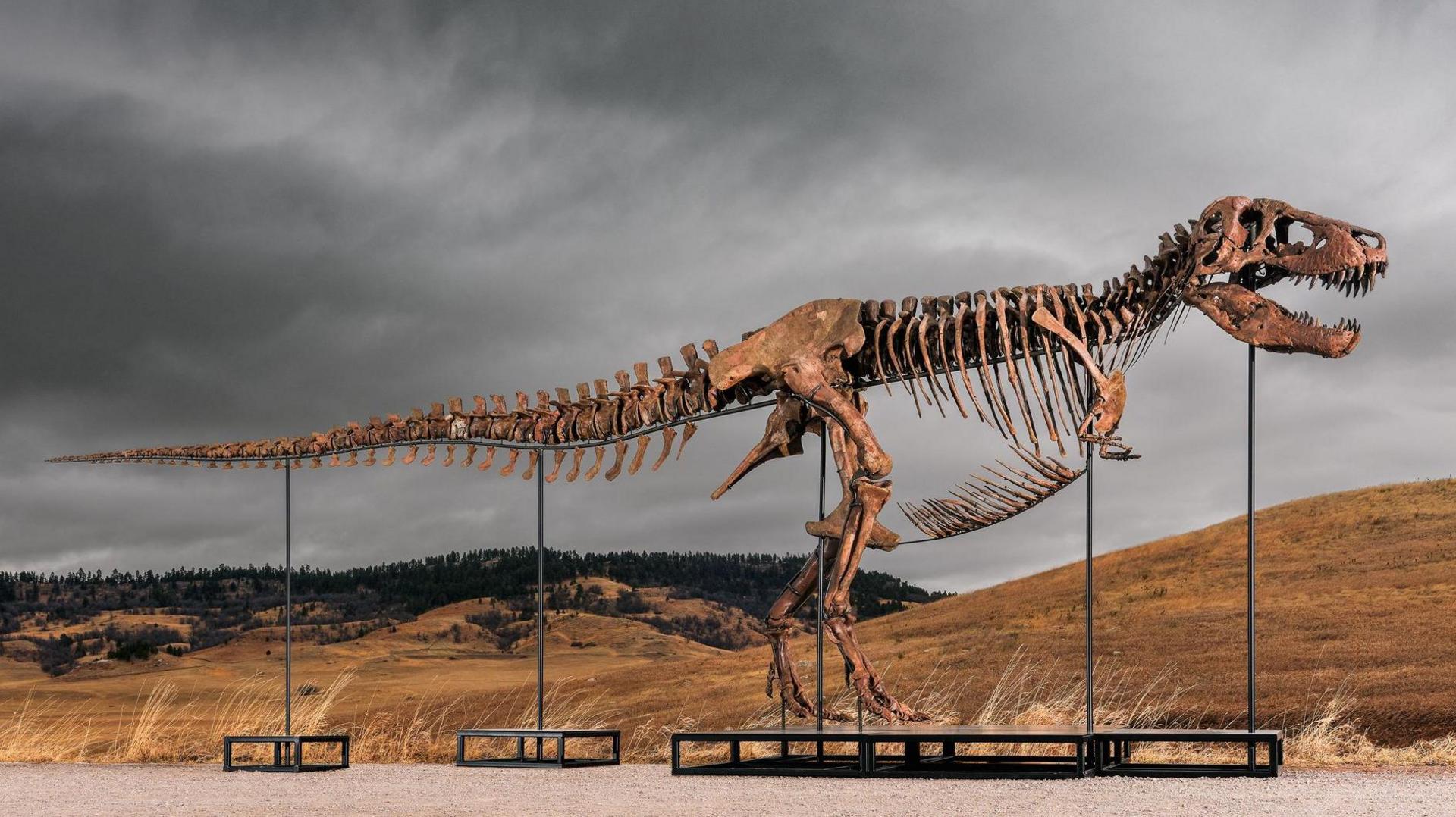
Sotheby’s prepared catalogue material and images for the sale and presented the lot to an international audience of collectors, museums and dealers. The auction setting at one of the world’s major houses reinforced the profile of the specimen and the attention it received from media outlets and specialists.
What we know and what is missing
Certain points are confirmed in public reporting; other important details were not disclosed.
- Known: BBC News reported the sale and described the specimen as a record-setting dinosaur sale. Sotheby’s confirmed the lot sold in its New York salesroom.
- Missing: No public report from BBC or Sotheby’s has given a final sale price.
- Missing: The buyer’s identity has not been released in media coverage or auction notices.
- Missing: Full provenance documentation, including prior ownership history and export or permitting records, was not detailed in the public accounts cited by BBC.
Those gaps matter because final price, buyer identity and documented provenance are essential for assessing the scientific, cultural and legal implications of high-value fossil sales.
Market context
The sale sits within a growing auction market for significant natural-history specimens. Major auction houses, including Sotheby’s, have increasingly offered high-profile fossil lots to international buyers, blending scientific interest with the commercial art and collectibles market.
Auctions can affect market expectations: headline sales raise visibility and sometimes valuations, while also prompting scrutiny about how scientific access, export permissions and provenance are handled. For museums and research institutions, the decision to compete in this market weighs display and study priorities against budget constraints and fundraising strategies.
Sotheby’s role in presenting the lot to a global collecting community underscores the cross-over between cultural auction markets and natural-history material. Buyers could be private collectors, institutions, or intermediaries; the intended post-sale use of many specimens — whether public display, private stewardship, or study — often remains unclear unless explicitly noted by purchasers.
Why it matters
High-value fossil sales draw public interest and raise policy and ethical questions. When significant specimens leave public access, researchers and the public may lose opportunities for study and display unless buyers agree to loans or deposit arrangements with museums.
Sales that are described as record-setting — even without disclosed prices — can intensify debate about whether market demand endangers scientific resources or encourages looting and undocumented exports. Regulators and scientific communities routinely emphasise the importance of clear provenance and legal export documentation for specimens that cross borders or enter private hands.
What comes next
Key follow-ups to watch include any updates from Sotheby’s or the buyer about future display, loans to institutions, or publication of provenance paperwork. Museums or research organisations may seek to request access or photographic records for study, and regulators could review export or sale paperwork if questions arise about where and how the specimen was collected.
Additionally, catalogue records or academic papers may later reference the specimen if researchers are granted access, which would add to its documented scientific value even if initial sale details remain private.
Frequently asked questions
How much did the Tyrannosaurus rex sell for?
Sotheby’s and the BBC have not publicly disclosed the final sale price for the lot.
Who bought the T. rex skeleton?
The buyer was not identified in BBC coverage or in Sotheby’s public statements cited by media.
Where and when did the auction take place?
The sale was held by Sotheby’s in New York; the specimen was previewed in the city ahead of the auction. Public reporting did not include a specific calendar date beyond the auction event in New York.
Source attribution
This article is based on reporting by BBC News and public notices from Sotheby’s. See the BBC original report for primary coverage and images: BBC News — Tyrannosaurus rex most expensive dinosaur ever sold.
Sotheby’s confirmed the sale in its New York salesroom; see Sotheby’s site for auction notices and catalogue information: Sotheby’s.
Notable gaps in public reporting: the final sale price, the buyer’s identity and full provenance or export documentation have not been published as of the reports cited above.