

BBC News – Top Stories reports (published 2026-07-21) that UK bumblebees are struggling during recent heatwaves — and that gardeners can take simple steps to reduce heat stress on these cold-adapted pollinators.
What the BBC reported
On 2026-07-21, BBC News – Top Stories published a report noting that UK bumblebees are finding heatwaves difficult to cope with. According to the BBC, the story highlights observable strain on bumblebees during hot spells and focuses on the biology behind the problem and practical actions people can take locally.
Why heatwaves strain UK bumblebees
According to the BBC, UK bumblebees have dense fur and physiology tuned to cooler climates. The BBC explains that their furry bodies help them generate and retain heat so they can fly and forage in cool mornings or at higher latitudes.
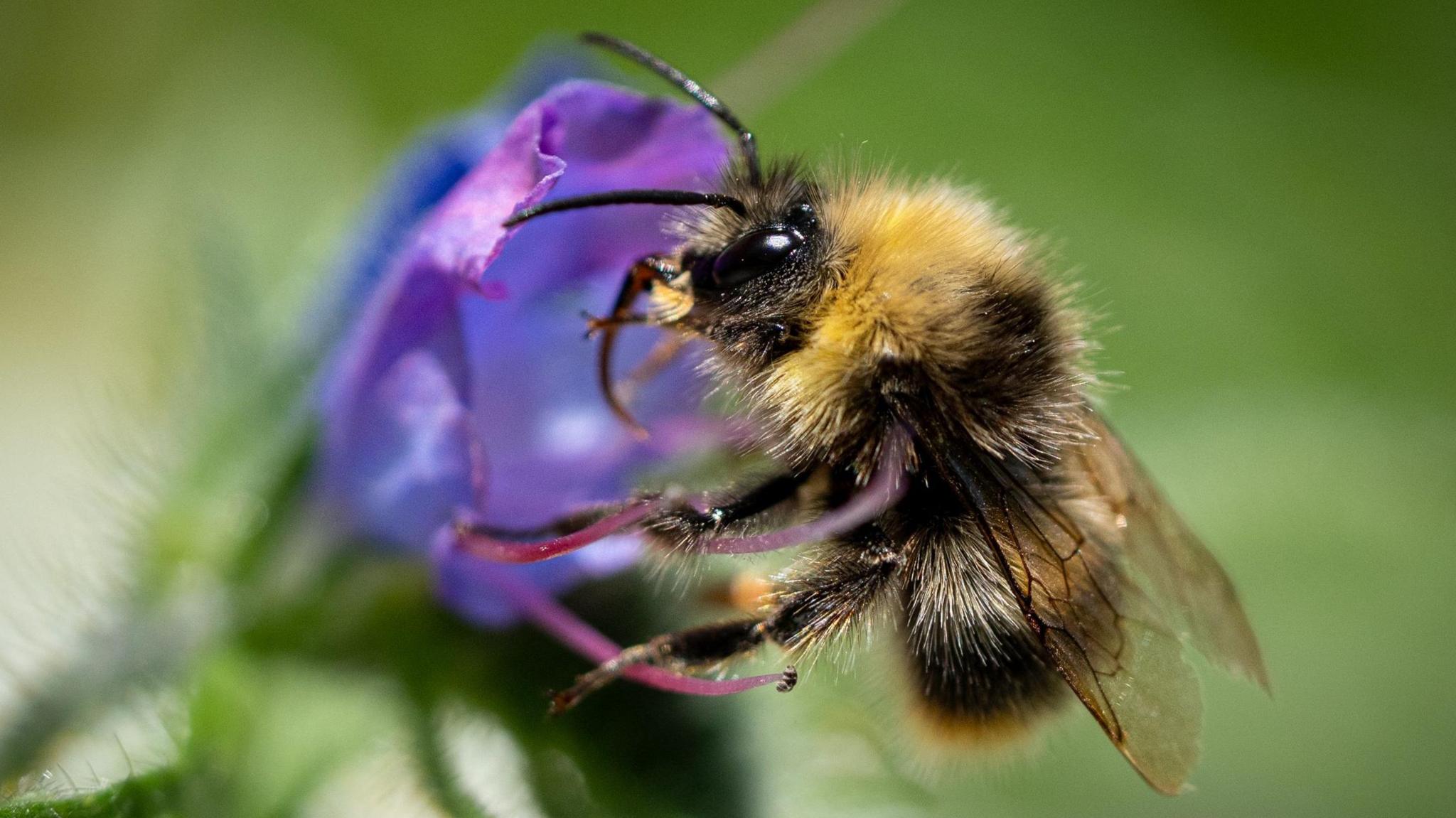
The BBC notes that in sustained hot weather those same traits make it harder for bumblebees to shed excess heat. Higher temperatures can reduce flight time, increase water needs and make it harder for workers to care for brood inside nests — in other words, heatwaves create physiological stress for these cold-adapted species.
Signs you may see in hot weather
The BBC reports that gardeners and park visitors may notice several visible signs that pollinators are struggling during heatwaves. Look for:
- Reduced activity at flowers during the hottest parts of the day.
- Bees clustering in shaded areas or near damp soil to cool down.
- Slower movement or apparent disorientation in very hot conditions.
These are general indicators of heat stress that the BBC highlights; the exact signs can vary by species, location and the intensity of the weather.
How to help bumblebees in hot weather
Following the BBC’s focus on practical steps, here are simple actions you can adopt immediately in gardens, balconies or community green spaces to reduce immediate stress on pollinators.
- Provide shade: The BBC recommends shaded foraging spots. Let part of your garden grow taller, use patio umbrellas, or position pots so flowers have shaded periods during the hottest hours.
- Offer water: A shallow dish with pebbles or corks gives bees a safe place to land and drink without drowning. The BBC suggests fresh water stations can help during heat spells.
- Plant continuous blooms: The BBC points out that a sequence of flowers that bloom at different times of day gives bees options for cooler morning and evening foraging.
- Create shelter: Leave small, undisturbed patches of vegetation or gaps in decking as refuge. The BBC highlights that shaded, sheltered pockets offer immediate relief for overheating insects.
- Avoid pesticides on hot days: The BBC advises that chemical sprays can be more harmful when insects are already stressed; consider non-chemical alternatives and time treatments outside bloom periods.
What this means for UK pollinators
The BBC frames this as an observed, heat-related strain rather than a fully quantified national population decline. According to the BBC, the report highlights physiological vulnerability and local impacts rather than claiming a measured, nationwide trend.
That distinction matters: while local, practical actions can reduce immediate hardship for pollinators visiting your patch, the BBC emphasises that such measures are not a substitute for wider monitoring and conservation work at landscape and policy scales.
Key takeaways
- BBC reporting on 2026-07-21 says UK bumblebees — cold-adapted insects — are struggling during heatwaves.
- Simple, immediate steps (shade, water, continuous flowers, shelter and avoiding pesticides during hot spells) can reduce short-term stress for pollinators.
- The BBC stresses this is a snapshot of heat-related strain; broader monitoring and habitat-scale measures are needed to assess long-term population changes.
FAQ
How do heatwaves affect UK bumblebees?
According to the BBC, heatwaves can cause overheating and reduce foraging time because bumblebees are adapted to retain heat; this creates physiological stress rather than an immediately quantified national decline.
What simple actions can I take today to help them?
As the BBC recommends: provide shallow water, create shaded foraging spots, leave undisturbed vegetation for shelter, plant a variety of flowers that bloom at different times, and avoid pesticide use when pollinators are active.
Will individual actions stop population declines?
The BBC notes individual actions help local bees and reduce immediate stress, but they do not replace the need for wider scientific monitoring and habitat-scale conservation to understand and address long-term trends.
Source: BBC News – Top Stories — Bumblebees are struggling in UK heatwaves – but you can help them (published 2026-07-21).


