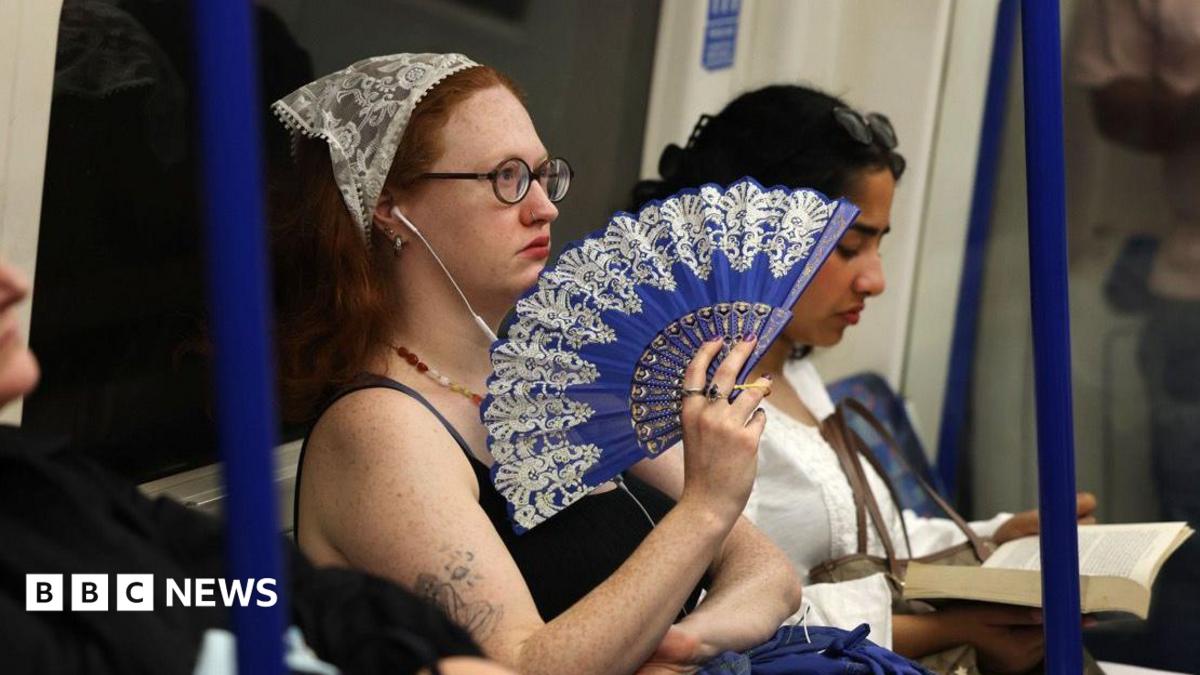
The Met Office says UK extreme weather is the “new normal,” and its latest national climate assessment warns that cold mountainous areas are shrinking. BBC News reported on 15 July 2026 that the Met Office frames rising heat, heavier rainfall and other extremes as part of a changed climate baseline for the UK (BBC/Met Office).
UK extreme weather: Met Office findings
The Met Office report finds that extremes — including more frequent heatwaves, intense rainfall events and altered freeze–thaw patterns — are now occurring more often than in past decades, the agency said and BBC News reported. The assessment combines long-term observations with modelling to show that the baseline climate across the UK has shifted, making many types of extreme weather more probable (Met Office; BBC).
The report specifically warns that upland and mountainous areas that historically retained persistent cold conditions are seeing those cold zones contract. The Met Office links this change to rising mean temperatures and evolving precipitation patterns, which together reduce the extent and duration of cold spells on higher ground (Met Office).
Which areas are losing cold mountain conditions
The Met Office notes that contraction of cold zones is not uniform: local topography and regional weather patterns influence how quickly conditions change. According to the report (as reported by the BBC), upland regions that have depended on prolonged cold seasons — for example parts of the Cairngorms in Scotland, Snowdonia in Wales and higher ground in the Lake District — are among the places where shorter cold periods and fewer freezing days have been observed in recent decades (Met Office; BBC).
The contractive trend affects where snow lingers, how often the ground freezes, and the length of the season typically relied upon by winter tourism and certain upland ecosystems. The Met Office report stresses that losses of cold microclimates are measurable and ongoing in many upland parts of the UK (Met Office; BBC).
Impacts on people, services and nature
The Met Office assessment underlines multiple knock-on effects from these changes. For communities, shorter cold seasons can alter patterns of tourism — shortening reliable periods for winter sports and affecting local economies that depend on them — a point highlighted in BBC coverage of the report (BBC; Met Office).
Infrastructure and services may need to adapt. The Met Office highlights risks to road and track maintenance, water management and emergency planning as freeze–thaw cycles change and extreme precipitation becomes more common. Local authorities will face different seasonal maintenance demands than in the past, the report says (Met Office).
On nature, the report notes that species and habitats specialised to persistent cold are vulnerable. As cold niches shrink, those species either retreat to smaller refuges or face local decline, while species adapted to warmer conditions can expand. The Met Office warns this raises conservation challenges for upland biodiversity (Met Office; BBC).
How scientists explain the change
Scientists at the Met Office place the observed changes within a longer-term warming trend. Rising average temperatures increase the baseline from which extremes occur, shifting the probability of heatwaves and altering precipitation regimes, the report explains (Met Office). The agency combines observational records with climate modelling to distinguish natural variability from sustained shifts driven by greenhouse gas increases.
The Met Office assessment also emphasises the role of regional atmospheric patterns in modulating where extremes appear; not every location will follow the same trajectory, and local geography matters for how quickly cold microclimates disappear (Met Office).
What comes next
The Met Office recommends continued, detailed monitoring of upland climates and targeted risk assessments for sectors affected by shrinking cold zones. The agency advises that local planning, infrastructure resilience work and nature conservation strategies be updated to reflect the shifting seasonal patterns (Met Office).
- Maintain and refine local monitoring to detect seasonal shifts earlier (Met Office recommendation).
- Review infrastructure and maintenance schedules for upland roads, tracks and water systems to match new freeze–thaw and precipitation patterns (Met Office guidance).
- Update conservation plans to identify and protect cold refuges and manage transitions in species distributions (Met Office).
Nationally, the Met Office reiterates that reducing greenhouse gas emissions remains central to limiting long-term climate shifts, while local adaptation measures can reduce near-term impacts on communities and ecosystems (Met Office; BBC).
Source attribution: This summary is based on the Met Office national climate assessment, as reported by BBC News on 15 July 2026. For the original BBC coverage and to read the Met Office report referenced here, see the BBC article linked below.
https://www.bbc.co.uk/news/articles/c802041g4v8o?at_medium=RSS&at_campaign=rss