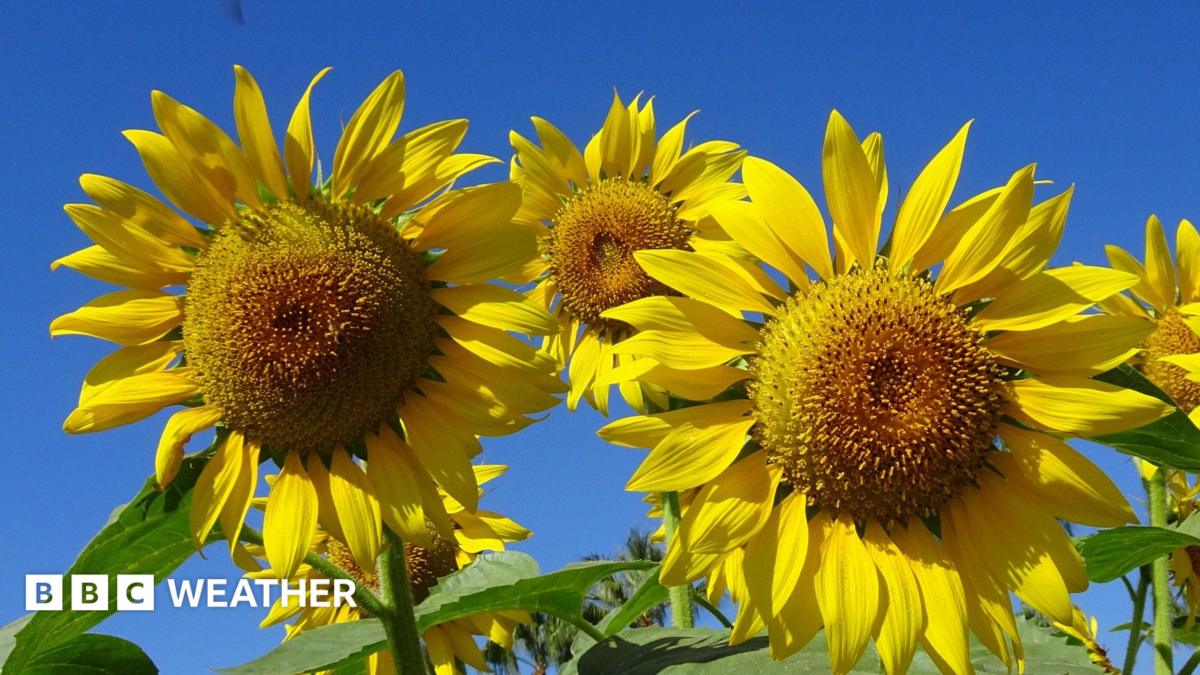
The UK heatwave is delivering sustained highs around 30C, hot, dry and exceptionally sunny conditions across many areas. BBC reporting notes unusually high sunshine totals so far in the spell, and BBC weather expert Darren Bett has explained the settled pattern behind the warmth.
This quick update pulls together the key measurements, what the forecaster says, likely local impacts and where to check for the latest warnings and forecasts.
What the data shows
Observations summarised by BBC News describe a period that has been hot, dry and exceptionally sunny in large parts of the UK. Numerous sites have recorded repeated daytime highs around 30C temperatures this week.
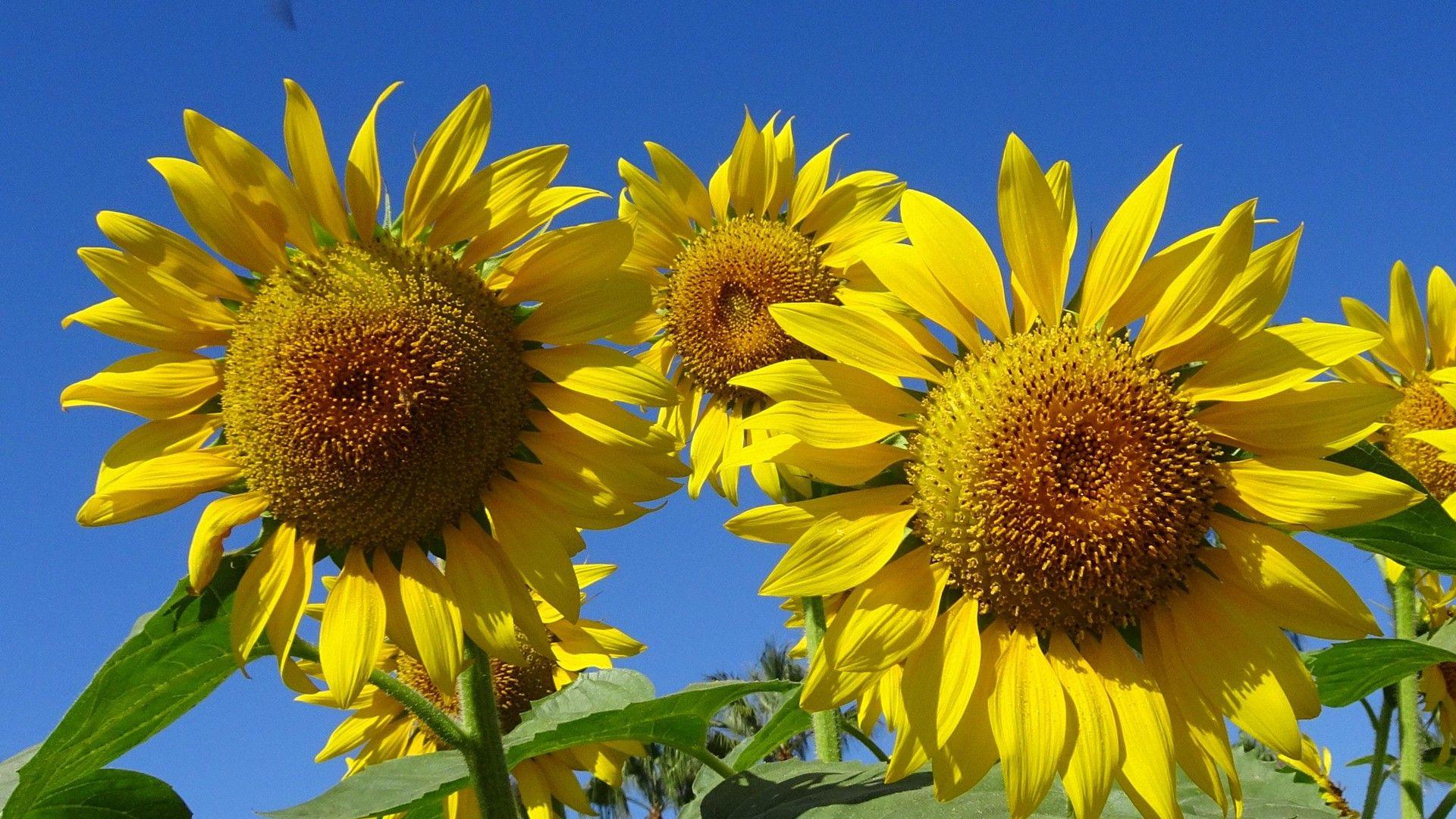
The BBC coverage highlights that, at this stage in the month, some locations have seen roughly double the sunshine hours normally expected. That comparative claim points to an unusually bright spell, though detailed verification against long-term meteorological records is advised (see Source and notes below).
Dry soils and clear skies have helped daytime temperatures climb and stay elevated overnight in some towns and cities. There are regional differences: while many areas enjoy extended sun, cloudier or cooler conditions have persisted in other places.
UK heatwave explained
BBC weather expert Darren Bett describes the situation as driven by a settled pattern that favours prolonged warmth and clear skies. That setup limits the amount of cloud and rain, allowing daytime heating to build and temperatures to remain high.
In plain terms, a high-pressure or stable air mass over or near the UK is suppressing frontal activity and encouraging long runs of sunshine. Local geography—coastal exposure, elevation and urban heat effects—still produces significant variation in actual temperatures and how hot it feels.
Impact on plans and health
With persistent 30C temperatures and elevated sunshine hours, organisers of outdoor events, sports fixtures and leisure activities should expect warmer-than-usual conditions. Surfaces such as tarmac and sand can become much hotter than the recorded air temperature.
For public health and safety, simple precautions reduce risk. Stay hydrated, use sunscreen, wear a hat and light clothing, seek shade during the hottest hours and avoid heavy exercise in direct sun. Check on neighbours, young children and older people who are more vulnerable to heat-related illness.
Transport and local services can also be affected. Hot weather may change rail and road conditions and increase demand for outdoor venues. If you have travel or events planned, consider timing changes or contingency plans for hotter conditions.
Forecast and what comes next
Current reporting and short-range forecasts indicate the warmth and sunshine are likely to continue for several days in many regions, with repeated 30C readings possible. However, exact duration and timing will vary by area and are subject to change as the large-scale pattern evolves.
Forecasters note uncertainty about the precise end date of the hot spell. Changes in the position of pressure systems or approaching fronts could bring cooler air or more cloud and rain to some regions.
Readers should check local forecasts and official services—such as the Met Office and BBC local weather pages—for the most up-to-date advice, including any heat warnings. Local forecasts give the best guidance for planning travel, events and health precautions.
By the numbers
Persistent 30C temperatures have been reported in multiple locations during the spell.
Some reports indicate about double the usual sunshine hours for this stage of the month in affected spots; this is a comparative observation reported by the BBC and flagged here for further verification.
Dry conditions have accompanied the warmth, increasing fire risk in vulnerable rural or scrub areas and impacting soil moisture in places already short of rain.
FAQ
How long will the UK heatwave last?
Reports suggest several more days of sustained warmth in many areas, but the exact length varies regionally. Check updated local forecasts and official weather services for precise timing and any changes.
Is it safe to be outside during the heatwave?
Many people can safely be outdoors with sensible precautions: drink water, limit strenuous activity during the hottest hours, wear sun protection and look out for those more vulnerable to heat-related illness.
Are sunshine hours higher than normal this month?
BBC reporting notes that some locations have recorded about double the usual sunshine hours at this stage of the month. That comparative claim highlights an unusually sunny spell; full verification against meteorological records may be needed for exact confirmation.
Source and notes
Primary source: BBC News — UK heatwave delivers exceptional sunshine and persistent 30C temperatures. The BBC article is the basis for the measurements and the explanation attributed to Darren Bett.
Note on the sunshine comparison: the description that some places have recorded roughly double the usual sunshine hours is taken from BBC reporting. Comparative statements of that kind can point to an unusually sunny period, but they may require verification against long-term meteorological records to confirm exact multiples and the full regional picture.
For live updates and warnings, consult the Met Office and local weather services. Official guidance should be followed for heat-health advice and any issued alerts.