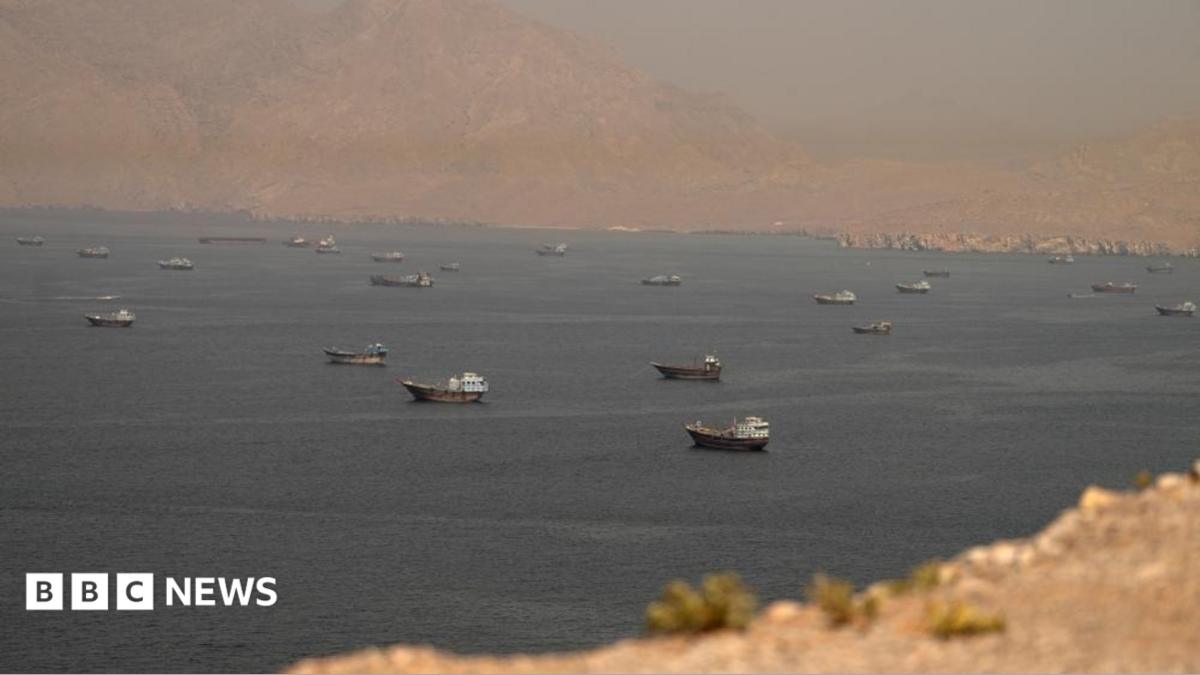
1. US officials have formally asked Iran to pledge that it will stop shooting at ships transiting the Strait of Hormuz, according to BBC News reporting. The appeal is framed as an immediate request to reduce maritime risk, and BBC attributes the account of the demand to US negotiators.
2. The request coincides with a resumption of talks in Oman where US representatives will seek assurances intended to protect commercial and naval navigation, the BBC reports. The location and diplomatic aim — de-escalation through security commitments — are presented as part of the reported negotiating approach.
3. The BBC also reports that Vice-President JD Vance is “expected” to take part in the US delegation. The description of his attendance as “expected” is how BBC characterised his planned role; it should be read as reporting on plans rather than confirmation of presence at every stage.
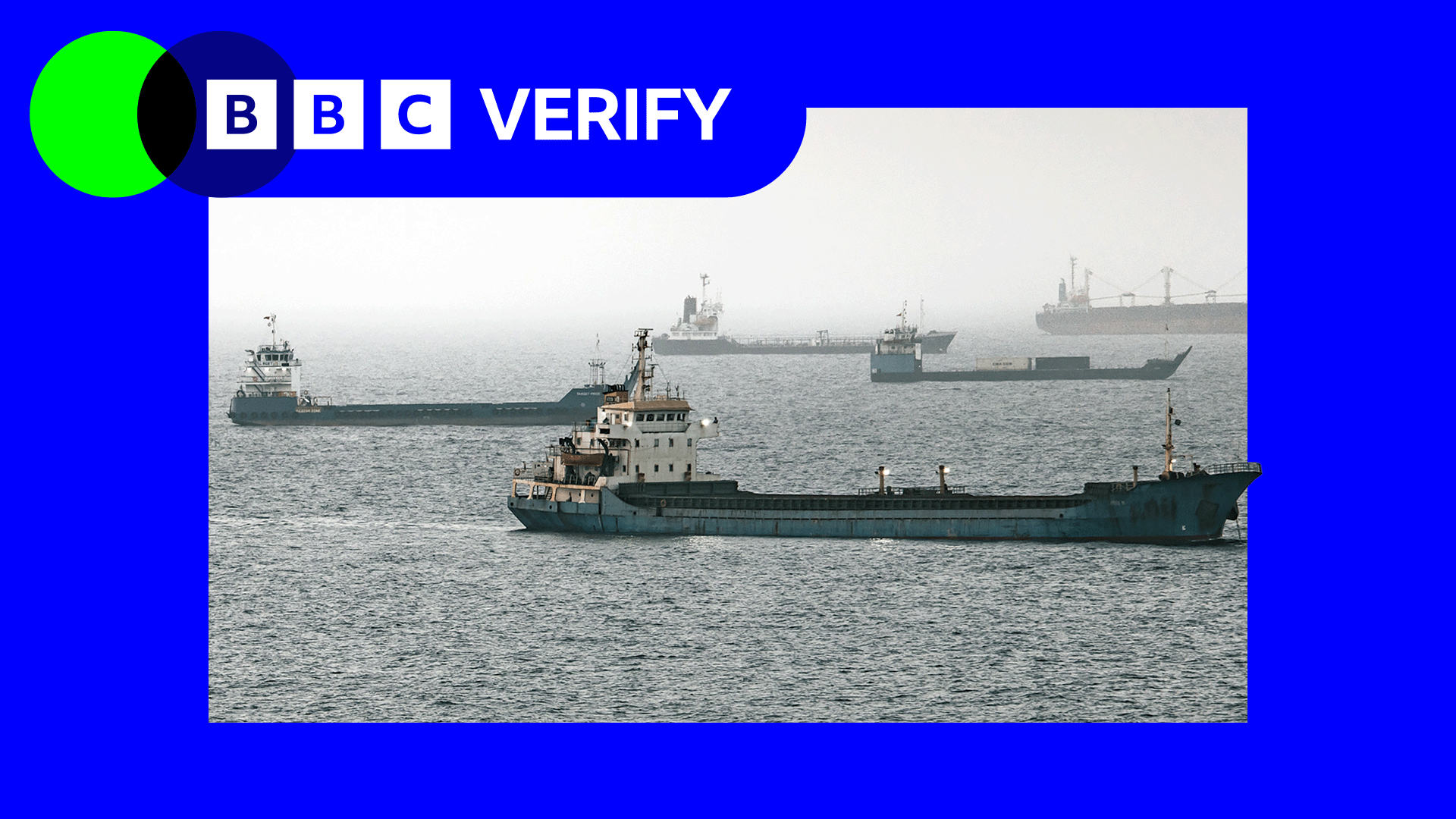
Strait of Hormuz
4. The BBC coverage frames the US demand in the context of a series of maritime incidents in and near the Strait of Hormuz. Those incidents have been described by US officials as involving shots fired at commercial vessels; this article treats those descriptions as allegations reported by BBC.
5. The Strait of Hormuz is a narrow and strategically vital waterway through which a significant share of the world’s seaborne oil and gas supplies pass. Even anecdotal or alleged attacks there can have outsized effects on shipping patterns, insurance, and regional security calculations.
6. BBC reports that US negotiators have linked a number of recent disruptions to what they allege are shootings at ships. The word “allegation” is used here to reflect how BBC attributed these claims to US sources rather than presenting them as independently verified facts.
7. The reported pattern of incidents cited by US officials has prompted the diplomatic initiative in Oman. According to BBC, Washington is seeking a clear commitment — ideally a written pledge — that would make it harder for such incidents to recur and would create a basis for accountability.
8. For shippers and insurers, alleged shootings translate quickly into quantifiable costs: higher premiums, security surcharge demands, and the expense of rerouting around perceived danger zones. BBC coverage highlights these economic pressures as part of the background to the diplomatic push.
9. The operational response to alleged threats has also included heightened naval patrols and closer monitoring by regional and international partners. BBC reporting notes increased military and commercial caution in planning voyages through the strait as one immediate effect of the alleged incidents.
10. In Oman, diplomats are reported to be discussing not only a pledge but also what verification could look like in practice. BBC indicates the talks aim to move beyond verbal assurances toward mechanisms that could be seen to deter future alleged actions.
11. Potential verification measures discussed by analysts and diplomats — which BBC frames as possible options rather than confirmed proposals — include third-party monitoring, agreed incident-reporting channels, and cooperative maritime patrols or escorts. Each option carries practical and political complications.
12. Any pledge by Tehran, if forthcoming, would need buy-in from regional states and international maritime actors to have meaningful effect. BBC reporting emphasises that the success of such an initiative would depend on credible, enforceable follow-up rather than a simple public statement.
13. The BBC makes clear that the claim Iran has been shooting at ships comes from US sources; it is described as an allegation within that reporting. Independent verification of each alleged incident is not provided in the BBC summary cited here.
14. Diplomatically, the talks in Oman serve multiple purposes beyond a single pledge: they offer a venue for channeling tensions, allow for technical discussion of maritime safety, and create a setting where confidence-building measures might be tabled and negotiated.
15. Observers warn — and BBC reporting cites this caution — that short-term diplomatic wins can be fragile. Even if a pledge is secured, the durability of any reduction in incidents depends on monitoring, rapid incident verification, and the political will on all sides to act on breaches.
16. For commercial operators, the practical calculus will involve assessing the credibility of any pledge and associated verification steps. Until such assessments change, many companies are likely to maintain elevated caution, keep contingency routing plans ready, and budget for higher insurance costs.
17. Should Oman-brokered talks produce a written assurance from Tehran, the immediate market reaction could be muted relief, but longer-term confidence will require published protocols for verification and incident investigation. BBC reporting frames these as logical next steps rather than firm outcomes.
18. If no tangible commitments emerge from the talks, current risk dynamics are likely to persist. That scenario would keep pressure on diplomatic channels to find alternative security arrangements, and on naval forces to manage and respond to any future alleged incidents.
19. The BBC reporting that forms the basis of this article uses language that attributes contested claims — including the account that Iran has fired on ships — to US sources. Readers should note the distinction between allegations as reported and independently established facts.
20. Monitoring in the hours and days after talks resume in Oman will focus on official statements from the negotiating parties, any text of a pledge or agreement, and subsequent reporting that can corroborate whether incidents decline or cease following diplomatic engagement.
21. This piece does not add independent verification to the BBC account; it summarises BBC reporting and outlines plausible diplomatic and commercial consequences while preserving the source’s characterisation of contested claims as allegations.
22. Source: BBC News – Top Stories. This report is based on the BBC article “US wants Iran to pledge to stop shooting at ships in Strait of Hormuz.” Source URL: https://www.bbc.co.uk/news/articles/crelyq79x71o?at_medium=RSS&at_campaign=rss. Publication time listed by the source: 2026-07-11T01:24:49.000Z.