The Venezuela earthquake rescue that freed two boys from collapsed rubble after days trapped unfolded in a tense, slow operation that relied on careful manual digging and community effort. Rescuers spent about six hours reaching one child and then continued methodical searches to find the second, while residents searched by hand amid delays getting heavy machinery into the area.
Initial reporting is limited and primarily based on a BBC News account; officials have not yet released full medical updates or identities for the children. The BBC reported the core timeline and described the local search efforts that accompanied the formal rescue work.
How the Venezuela earthquake rescue unfolded
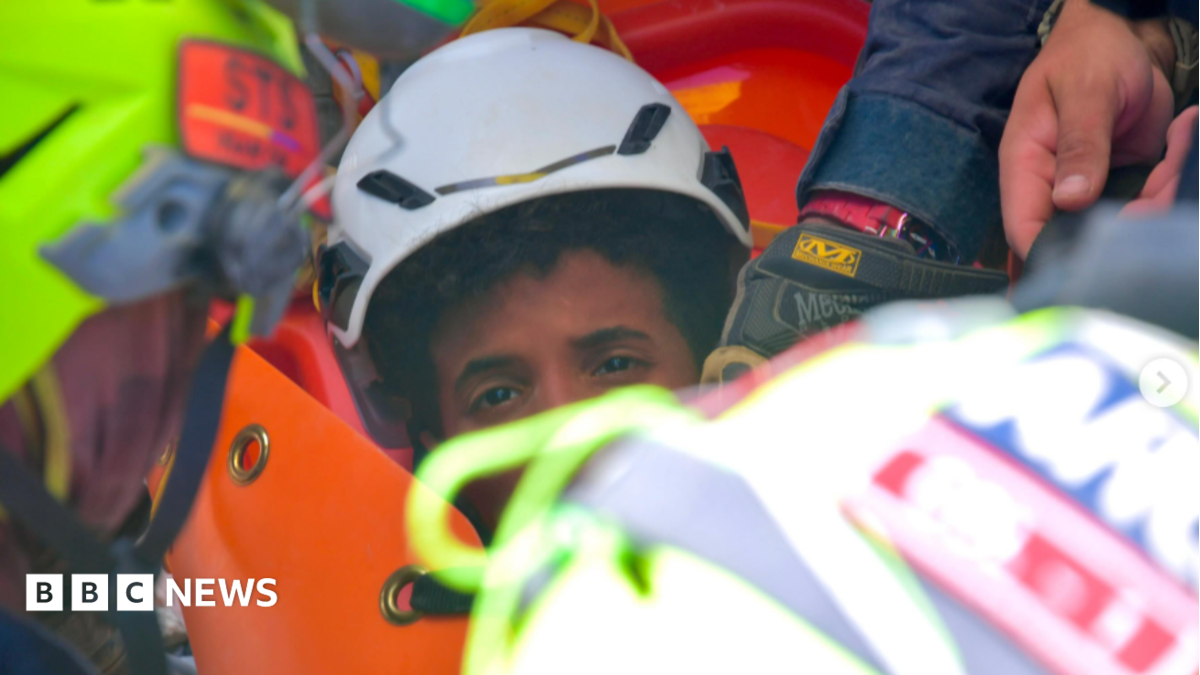
Rescue teams and local volunteers carried out a cautious excavation that lasted roughly six hours to reach at least one of the boys trapped beneath collapsed structures. Rescuers worked in tight spaces, clearing rubble layer by layer and checking repeatedly for stability and signs of life to avoid triggering secondary collapses.

The six-hour effort combined trained search-and-rescue techniques with improvised local methods. Where gaps were too small or debris too unstable for machinery, teams relied on shovels, pry bars and careful hand removal. Rescuers paused frequently to shore up shifting material and to listen for movement or calls from beneath the debris, a standard approach in unstable collapse scenes to limit risk to survivors and rescuers alike.
According to BBC reporting, one boy was reached and pulled from the rubble after the most intense phase of digging. Teams then continued to probe adjacent voids and pockets in the remaining debris to locate and free the second child. The cautious pace reflected the need to balance urgency with safety when working around unpredictable, unstable piles of concrete and masonry.
Community search and delayed heavy machinery
Residents at the collapse site played a central role in the initial search. The BBC reported neighbours and volunteers sifting through debris by hand in the hours and days after the quake, driven by urgency to find loved ones and to help professional teams reach trapped people more quickly.
Heavy machinery that can remove large sections of debris did not reach the scene quickly, according to the BBC account. Reported obstacles included access difficulties, damaged roads and concerns about bringing large equipment onto unstable ground — factors that often delay the safe use of excavators in earthquake-affected neighbourhoods.
Local people described working through the night and joining formal responders in hand searches. While mechanical diggers can accelerate clearing of rubble, their use must be weighed against the danger of destabilising pockets where survivors may be sheltered. That operational dilemma helps explain why residents and rescuers used manual methods in the immediate aftermath despite the obvious physical toll.
What comes next for the boys and the area
Public reports do not yet give precise details of the boys’ medical condition. After extraction from long entrapment, standard practice is immediate on-site medical evaluation for trauma, dehydration, crush injuries and other problems, followed by transfer to hospital for scans and further treatment if necessary. The BBC noted that such medical follow-ups were expected but did not publish confirmed clinical updates at the time of its report.
Beyond individual care, authorities and aid organisations commonly assess wider needs in the affected neighbourhoods, including shelter, water, and emergency repairs to reduce the risk of further collapses. Clearing larger piles of debris safely will depend on when and how heavy equipment can be deployed, which in turn affects both ongoing search capacity and how quickly residents can access damaged homes.
Local recovery will also hinge on coordination between municipal services, emergency teams and community volunteers. The balance between rapid clearance and careful search for any remaining survivors is a repeated challenge after earthquakes, and it shapes both immediate rescue outcomes and early recovery timelines.
Source and verification
This article is based on a BBC News report of the rescue and community response. The BBC provided the timeline of the roughly six-hour dig and described residents searching by hand while heavy machinery was delayed. Key details remain unconfirmed in public reporting: the boys’ names and ages, their exact medical statuses after rescue, and which official agencies led or coordinated elements of the operation. We have not independently verified those specifics beyond the BBC’s reporting.
Source: BBC News — Two boys rescued from Venezuela earthquake rubble after days of being trapped