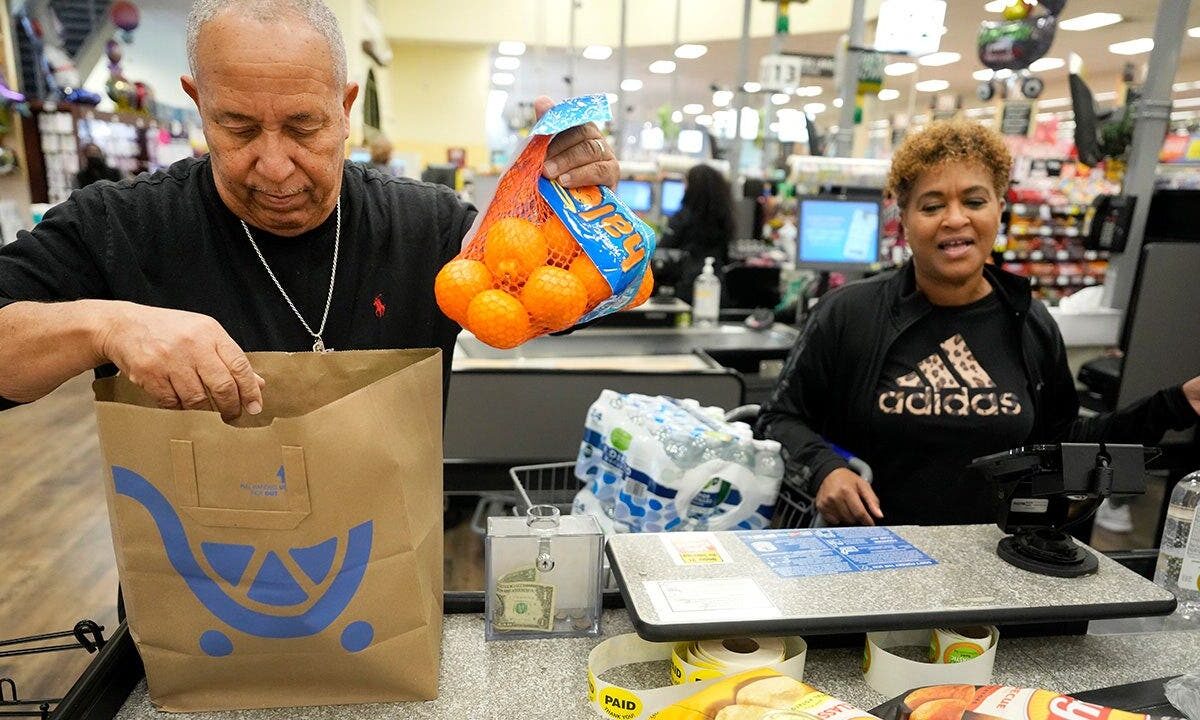
I grew up working behind the counter of a family-run neighborhood grocery in New Orleans, where independent grocers were more than shops — they were community hubs. That early experience shapes how I see national price moves: lower shelf prices can help families today, but they can also reshape the market that sustains Main Street stores.
What Walmart announced
On July 8, Walmart announced across-the-board price cuts on thousands of grocery and household items. A Fox News opinion piece reporting on the move said the reductions were praised by President Donald Trump and described by the piece as having been encouraged by his administration, citing reporting by Fox Business. Those descriptions come from the opinion piece’s sourcing and are reported here as such.
Walmart framed the cuts to shoppers as immediate savings on staples. The company’s scale allows it to advertise steep discounts quickly; whether that translates to long-term lower prices across the market depends on many forces beyond a single retailer’s promotions.
Author background and why this matters
I grew up in a family-run neighborhood grocery store in New Orleans, so the realities of operating a small food retailer are personal and practical. Independent grocers I knew negotiated with local farmers, balanced tight margins, managed staffing in real time and supported school programs and neighborhood organizations. That background matters because policy and market shifts affect more than prices — they affect jobs, sourcing and community relationships.
How independent grocers are affected
Independent grocers typically operate on thin margins and rely on local loyalty, tailored product mixes and service. When a national chain cuts prices broadly, independents face immediate competitive pressure: they cannot match deep, sustained discounts across thousands of SKUs without similar purchasing power or distribution advantages.
Some independents can run limited promotional matches on certain items or emphasize service and specialty products. Still, sustained, chain-wide price cuts can pull foot traffic and revenue away from neighborhood stores, forcing them to scale back hours, staffing or local programs — outcomes that reduce the nonprice value independent grocers bring to a community.
“A grocery store isn’t just a place to buy food. It’s a cornerstone of the community it serves.”
Why market concentration matters for Main Street
History reminds us — from Theodore Roosevelt’s trust-busting era to modern antitrust debates — that concentrated market power changes competitive dynamics. Dominant players can secure supplier terms and distribution advantages that smaller buyers cannot replicate, shifting competition from service and convenience to sheer scale.
Economic research and regulatory commentary from nonpartisan agencies, including the U.S. Federal Trade Commission and USDA analysts, show that consolidation can reduce choices for consumers and place pressure on suppliers. Those effects matter to Main Street: when suppliers favor large chains, local sourcing opportunities for independent grocers shrink and the variety of products available to neighborhoods can decline.
Local investment, jobs and community value
Independent grocers often reinvest locally: they buy from nearby farmers, hire neighborhood employees, sponsor school events and support civic groups. Those activities circulate dollars in local economies and maintain social ties that chains, by their scale, are less likely to replicate in every neighborhood.
The loss of a local grocer is often felt beyond lost convenience. It can mean fewer local jobs, reduced demand for small-scale farmers and a weakened partner for community initiatives. Preserving that local investment is part of the larger case for ensuring fair competition.
Policy steps and what comes next for independent grocers
Washington and state policymakers can take practical steps to strengthen competition so independent grocers can compete on service, quality and fair price. Key actions include:
- Stronger enforcement of competition law and more rigorous merger reviews that consider local market effects.
- Rules to promote fair contracting and payment terms between suppliers and large retailers so smaller buyers are not systematically disadvantaged.
- Support for cooperative buying arrangements and small-business procurement pathways so independents can access better terms for staples.
- Targeted grant or loan programs to help stores modernize refrigeration, e-commerce or curbside pickup to remain competitive on convenience.
What comes next could include expedited reviews of large grocery mergers, pilot programs for cooperative purchasing, and state-level steps to open institutional procurement to small grocers. Timelines vary: enforcement actions and new rules can take months to years, while grant and procurement changes can be implemented more quickly at the local and state levels.
Local examples and practical supports
Communities can act now. Municipal procurement that favors multiple small suppliers, local grant programs for store upgrades, and partnerships that link independent grocers with nearby farms and schools help preserve community benefits. Short-term cooperative buying and promotional-matching initiatives among independents can blunt the immediate retail pressure while longer-term policy fixes take effect.
- Walmart’s July 8 price cuts deliver immediate savings but were described in media accounts as encouraged by the administration; those attributions come from the sources cited.
- Independent grocers provide local jobs, sourcing and civic value that price comparisons do not capture.
- Policy changes — stronger enforcement, fair contracting rules and support for cooperative buying — can help preserve a competitive retail landscape.
Source attribution
This analysis draws on a Fox News opinion piece by an author who says they “grew up in one” — a family-run Main Street grocery — and who reported on Walmart’s July 8 price cuts and attributed President Donald Trump’s praise of the move to reporting by Fox Business. Those characterizations are presented here as reported by that opinion source: I know how important Main Street grocery stores are to America, because I grew up in one (Fox News opinion).
Where this piece discusses broader market effects, it relies on general findings and commentary from nonpartisan agencies concerned with competition and food markets, including the Federal Trade Commission and the USDA’s Economic Research Service, which analyze how consolidation affects suppliers and local choice (see FTC and USDA materials on competition in food retail for background).
Contested claims — for example, whether price cuts “came at the administration’s request” or whether supplier leverage exists in specific contracts — are framed here as reported or analytical claims tied to the cited opinion piece and the reporting it references, not as independently verified facts by this newsroom.
Approved imagery for publication: the editorial plan uses an approved body image and a featured image from the supplied source; the media team will attach those images and apply alt text that includes the keyword “independent grocers” to meet accessibility and SEO guidance.
For readers: protecting independent grocers is a policy and community choice about what kind of local economies we want — one with many competing models, local jobs and neighborhood investment, or one increasingly shaped by a few dominant national players.