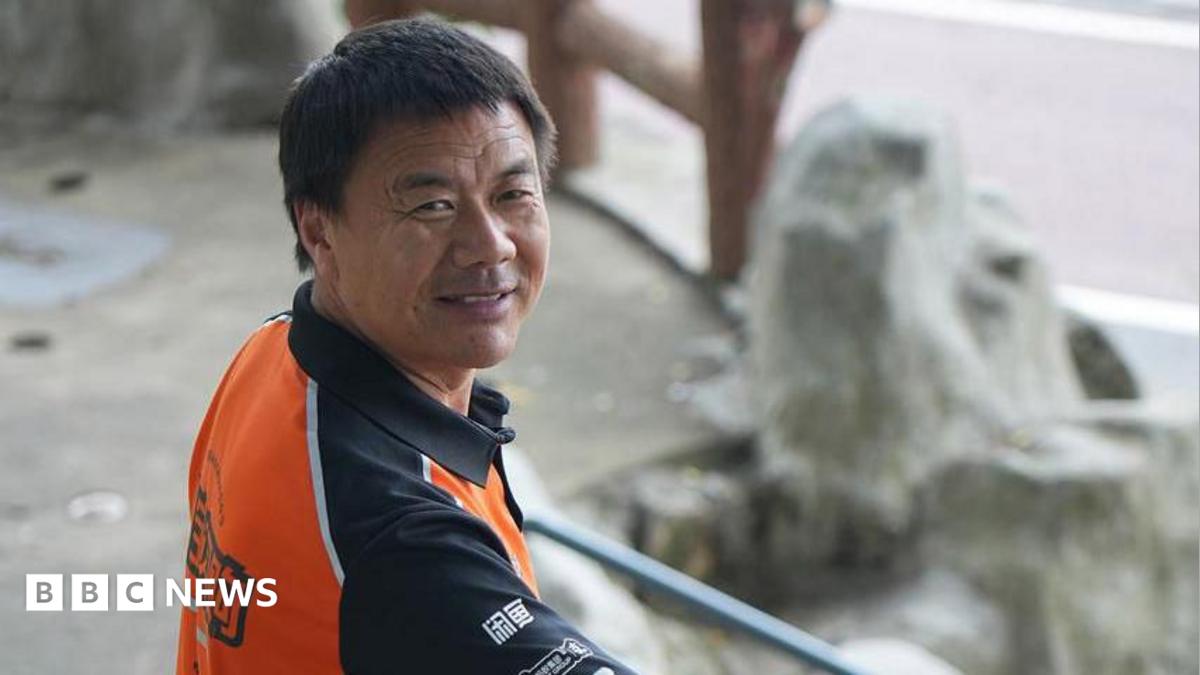
Wang Jibing has been reported to have won what the BBC describes as China’s top literary prize, bringing sudden national attention to a writer who also works as a food delivery rider. The BBC News piece, published on 20 July 2026, frames his victory as an example of blue-collar writers gaining wider recognition but provides limited detail about the award itself.
Wang Jibing wins the prize
The BBC reported that Wang Jibing has been named the winner of a major literary award in China. The article highlights his occupation as a food delivery rider and presents the outcome as notable for elevating a working-class voice into the national literary spotlight.
Crucially, the BBC item does not specify the formal name of the prize or the title of the work that won. As a result, this report treats the BBC account as the primary source while noting that key official details remain unavailable at the time of publication here.
Who is Wang Jibing
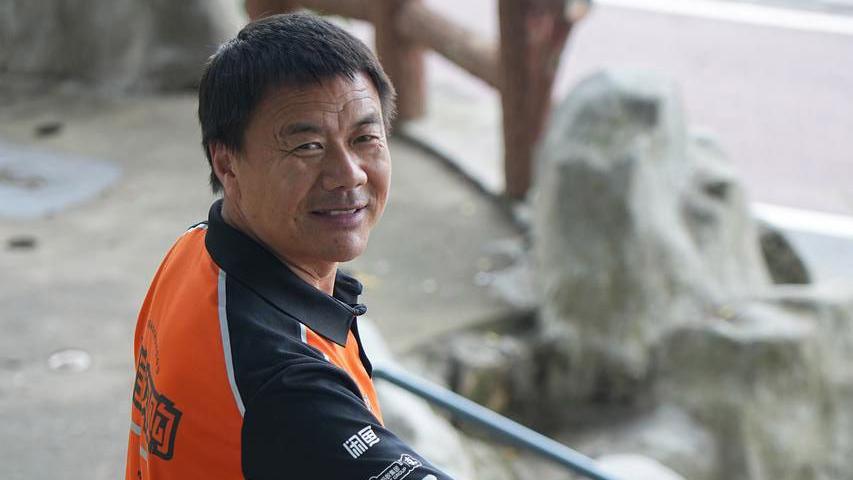
According to the BBC, Wang Jibing supports himself as a food delivery rider while also writing. The report positions him among a growing number of blue-collar or working-class writers in China whose lives and labor provide subject matter and perspective for contemporary fiction and nonfiction.
Writers who work outside the cultural establishment—teachers, factory workers, delivery couriers and others—have in recent years drawn attention for works that foreground everyday labor, social change and economic pressures. That trend has prompted renewed discussion in literary circles about representation, access to publishing, and which life experiences are deemed “literary”.
Wang’s case, as reported, resonated because it combines the human interest of an author juggling manual work with the symbolic power of a prize that the BBC described as one of the nation’s most prestigious.
Why the win matters
If confirmed with full details, a major prize going to a food delivery rider would carry both cultural and institutional significance. It could broaden readers’ and publishers’ perceptions about who produces literature deemed worthy of major awards and could encourage publishers to seek voices rooted in everyday labor and social change.
Major literary awards in China — such as the Mao Dun Literature Prize and the Lu Xun Literary Prize — have historically helped define reputations and direct institutional attention. While this report does not say Wang won either of those specific honours, it situates his reported victory within a pattern in which awards can reshape which themes and backgrounds receive recognition.
For aspiring writers from similar circumstances, a high-profile prize can feel like evidence that the literary establishment is opening, however unevenly, to broader social backgrounds. For critics and publishers, it can prompt reassessments of how literary value is judged and which networks help works reach prize juries.
Details missing and verification
Important information is currently missing from public reporting. The BBC article published on 20 July 2026 names Wang Jibing and describes the award as a top national prize but does not provide the prize’s formal title, the awarding body, the exact date the prize was conferred, or the title and text of the winning work.
Because those elements are absent, this story should be treated cautiously pending confirmation from primary sources: the prize organiser’s announcement, an official shortlist or winner statement, or publication of the winning work with bibliographic details.
BBC served as the primary source for this account. The BBC report quoted or paraphrased eyewitness and context details about Wang’s job and the public reaction but stopped short of publishing the prize organisers’ documentation. Independent verification from the awarding body or additional reputable outlets will be needed to confirm the formal prize name and the winning work.
What comes next
Reporters and editors will likely pursue several follow-ups: an official statement from the prize organisers confirming the winner and the prize’s full title; publication or excerpts of the winning work; comments from judges explaining their choice; and an interview with Wang Jibing about his writing and life.
Expect also to see reactions from peers, critics and the publishing industry. Translations or extracts may appear in literary magazines or online, giving a wider readership a chance to assess the work itself. Local reporting may provide more detail about Wang’s background, the themes he addresses in his writing, and how his daily job intersects with his literary voice.
If prize organisers do not immediately publish details, newsrooms may monitor official channels and social media for statements or corroboration. This article will be updated as primary-source information becomes available.
Source and credits
This account is based on a BBC News report published on 20 July 2026. For the original coverage, see the BBC article: BBC News — Food delivery rider wins China’s top literary prize (published 20 July 2026).
As of publication here, the BBC report did not supply the formal prize name or the winning work’s title. We will update this story when prize organisers, publishers or other primary sources publish the full details.