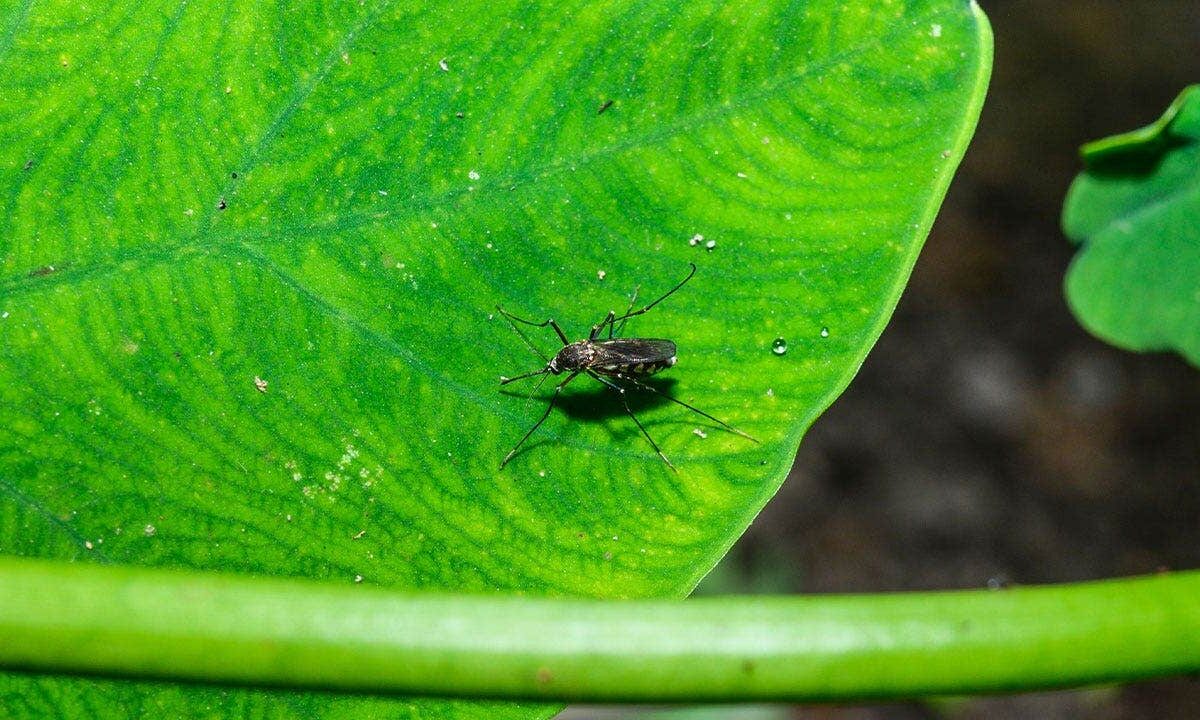
Metro Public Health Department officials confirmed West Nile virus was detected this week in a mosquito pool collected near Cass Street in North Nashville. The department said this is the city’s first positive mosquito sample of 2026 and the earliest detection of the season, a signal that the virus is circulating locally and a prompt for residents to take precautions.
The finding follows heightened mosquito activity last year and a confirmed human West Nile case in 2025. Public health leaders described the positive trap as an early warning — evidence the virus is present among local mosquitoes but not a prediction that people will become ill — and asked neighbors to act now to reduce breeding sites and lower bite risk.
What officials found
Metro Public Health Department (MPHD) investigators said a pooled sample of mosquitoes captured near Cass Street tested positive for West Nile virus. MPHD noted this is the first confirmed West Nile mosquito sample in Nashville for 2026 and represents the season’s earliest detection so far.
Vector surveillance teams routinely collect and test mosquitoes throughout the warm months. Health officials said the early positive result provides useful situational awareness for targeted outreach and increased monitoring rather than an immediate cause for broad pesticide spraying.
Where this was found in Nashville
The positive sample originated from a trap in North Nashville, in the area around Cass Street. MPHD said it has stepped up trapping in the neighborhood to better map where mosquitoes are active and to see whether additional nearby traps show the same virus circulation.
Crew members are inspecting common breeding locations, distributing educational materials to nearby residents, and coordinating with community groups to ensure local yards and public spaces are checked for standing water. Officials emphasized these are targeted surveillance and prevention activities rather than blanket adult mosquito spraying.
Health risks and symptoms of West Nile virus
The Centers for Disease Control and Prevention (CDC) identifies West Nile virus as the leading mosquito-borne disease in the United States during transmission seasons. Most people infected with West Nile virus do not develop symptoms; about one in five will have a febrile illness with fever, headache, body aches, nausea, vomiting or a rash.
Less than 1% of infections progress to severe neuroinvasive disease, which can include encephalitis or meningitis. Older adults and people with weakened immune systems are at higher risk for serious outcomes. For more guidance on symptoms and when to seek care, see the CDC’s West Nile virus information at cdc.gov/westnile.
What Metro Public Health is doing now
MPHD said teams are distributing flyers and door‑to‑door educational materials in the Cass Street area, increasing trap density to refine the local surveillance picture, and applying larvicide at identified breeding sites to interrupt mosquito development before adults emerge.
Public health staff are also offering targeted backyard inspections in areas with repeated standing water and advising property owners on simple, lasting fixes. MPHD reiterated it does not conduct routine adulticiding (widespread spraying for adult mosquitoes) and is prioritizing source reduction, larval control and community education as first-line actions.
How residents can protect themselves
Residents can reduce their risk by removing standing water from bird baths, flowerpots, buckets, old tires and children’s toys where mosquitoes lay eggs. Empty or refresh water containers weekly, clear clogged gutters, and fill low spots in yards that retain water after rain.
When outdoors, use EPA‑registered repellents that contain DEET, picaridin, IR3535 or oil of lemon eucalyptus, and wear long sleeves and pants at dawn and dusk when many West Nile–carrying mosquitoes are most active. Ensure window and door screens fit well and repair holes promptly.
MPHD offers free backyard inspections through its Pest Management program to help homeowners locate and fix mosquito breeding sites; residents can request an inspection via the Metro Public Health Department website or by contacting the department directly for guidance on scheduling.
What comes next
MPHD will continue enhanced trapping and monitoring in North Nashville over the coming weeks and expand outreach if additional positive traps are found. The department expects to use surveillance results to guide focused larval control and community education rather than broad insecticide application.
Residents should maintain prevention steps through the peak mosquito season and report persistent standing water or concerns to MPHD so crews can prioritize inspections.
“We can all play a role in reducing the presence of mosquitoes in our community, making our outdoor areas both more pleasant and safer from mosquito-borne diseases like West Nile virus,” said Dr. Sanmi Areola, director of health at the Metro Public Health Department. “As our team educates those in the area where West Nile virus was found, we hope the rest of our community does what they can to protect themselves and their families this summer.”
For context and ongoing guidance, the CDC provides up‑to‑date information on West Nile virus symptoms, prevention and when to seek medical care (cdc.gov/westnile). This report is based on the Metro Public Health Department’s announcement and original reporting by Fox News.
Source: Metro Public Health Department; original reporting at Fox News.