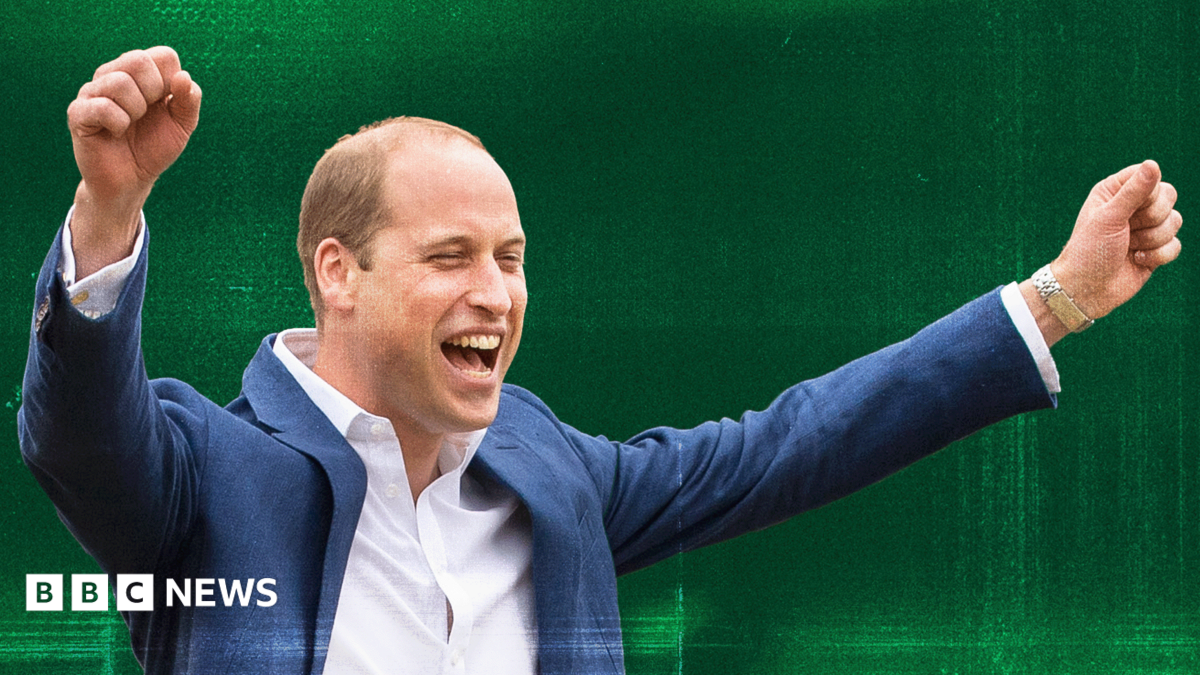
William’s interest in football is a steady thread through his public life, visible in appearances, photographs and routine matchday rituals. BBC News coverage highlights a recurring image: William greeting supporters near the touchline at games, a candid moment that has been widely shared and which reporters say underlines how football features in his public persona. That specific scene — him acknowledging fans at pitch-side — is a concrete anecdote that has recurred in coverage of his stadium visits.
This profile traces how William’s football fandom has shown up in public moments, how BBC reporting and other commentators frame the connection to the nation, and what that might mean for the monarchy as he moves closer to the role of future King.
William’s football story
William’s association with football stretches back to his youth and has been visible in a series of public moments over the years. He is frequently described in reporting as a football superfan, and that label appears repeatedly in BBC News pieces and related coverage of his public appearances and community visits.
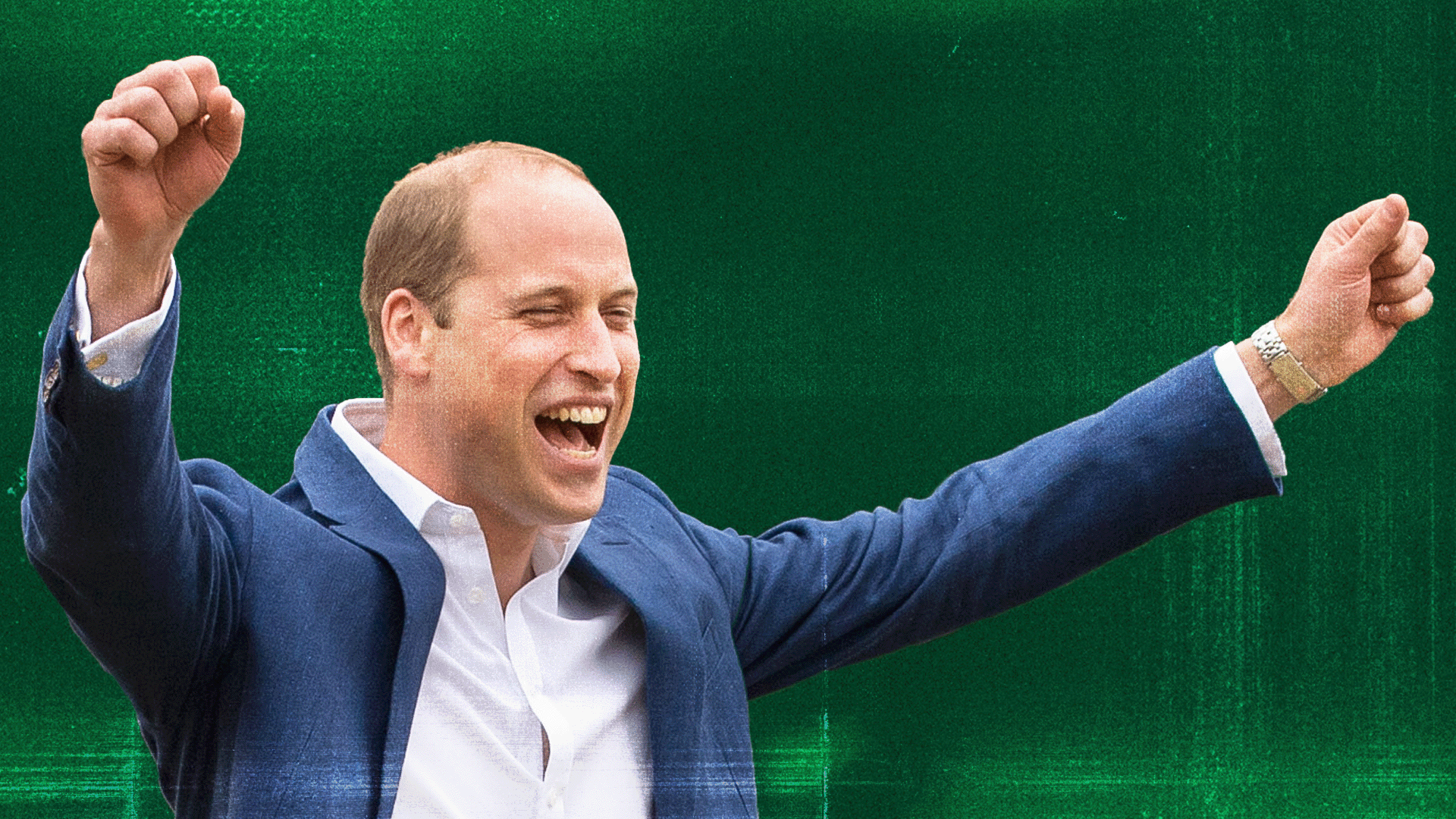
Photographs of William at stadiums, meeting supporters and taking part in pre-match ceremonies have reinforced an image of a royal who enjoys a popular national sport rather than one whose leisure is limited solely to traditionally elite pursuits. Those images, and the way BBC and other outlets report them, are part of why football has become a defining strand of his public profile.
Why football links him to the nation
According to BBC News and commentators quoted in its reporting, football connects William to the country he may one day reign over in a way polo would not. BBC coverage explicitly frames the contrast: football’s mass participation and broad geographic reach make it a shared cultural touchpoint across social groups, regions and generations.
By contrast, polo is often presented in reporting as tied to exclusivity and private clubs. BBC News has reported that this contrast helps explain why William’s football fandom is presented as a point of national connection rather than merely a private interest — it allows public narratives of accessibility and shared experience to form around his appearances.
Public appearances and fan rituals
William’s public interactions at matches tend to follow recognisable patterns: arriving at the ground, acknowledging supporters, taking part in short formalities such as presenting a commemorative item, and posing for photographs with fans and officials. BBC News coverage has repeatedly highlighted these moments as occasions when the royal role and popular sport meet.
One vivid image widely circulated in news coverage shows William greeting supporters near the touchline, engaging directly with members of the public. Reporters note that such moments are replayed across media because they offer simple, humanising snapshots of a public figure stepping into an everyday setting.
Reporters and commentators also point to routine gestures — applauding from the stands, smiling for photos and joining pre-match ceremonies — as rituals that build a shared sense of occasion between a public figure and local communities. Those rituals are cited in BBC reporting as part of why football visits resonate beyond the immediate crowd.
Comparing football and polo: what the choice signals
The comparison between football and polo is not simply about sport. As BBC News and others have noted, it is shorthand for different kinds of public presence. Football suggests accessibility and shared experience; polo signals tradition, continuity and elite circles.
For a royal figure, the sports one is seen to prefer help shape perceptions of relatability. If polo can underline established social hierarchies, football can function as a bridge to everyday life for many people across the UK. BBC reporting frames this not as a replacement for formal duties but as a way to create approachable public moments.
What this means for the monarchy
William’s association with football has implications for image and communication as he moves toward the role of future King. The sport offers occasions for public interaction that are informal yet highly visible, and BBC News reporting suggests those occasions can help portray a monarch in touch with popular culture and civic life.
At the same time, observers emphasised in reporting that sporting fandom has limits: being photographed at matches or greeting fans does not substitute for substantive engagement with communities, institutions or policy. William’s football appearances can complement wider royal duties, offering relatable, human moments, but they are only one element among many that shape public perceptions of the monarchy.
Ultimately, as BBC coverage notes, football can be a useful complement to other aspects of royal work — a recurring, recognisable habit that helps construct a narrative of national belonging without altering the formal responsibilities of the Crown.
Source and further reading
This account draws on reporting from BBC News and related coverage of William’s public life. For the original BBC piece, see: Loyal and royal: How the future King became a football superfan — BBC News.
Key takeaways
- William is widely described in BBC reporting as a football superfan, visible in repeated public moments.
- BBC News frames football as a broader national connector than elite sports such as polo, because of its mass appeal.
- Matchday rituals — greeting fans, pre-match ceremonies and informal interactions — create humanising public moments for a royal figure.
- Sporting preference can aid image-building but does not replace the wider responsibilities of the future King.