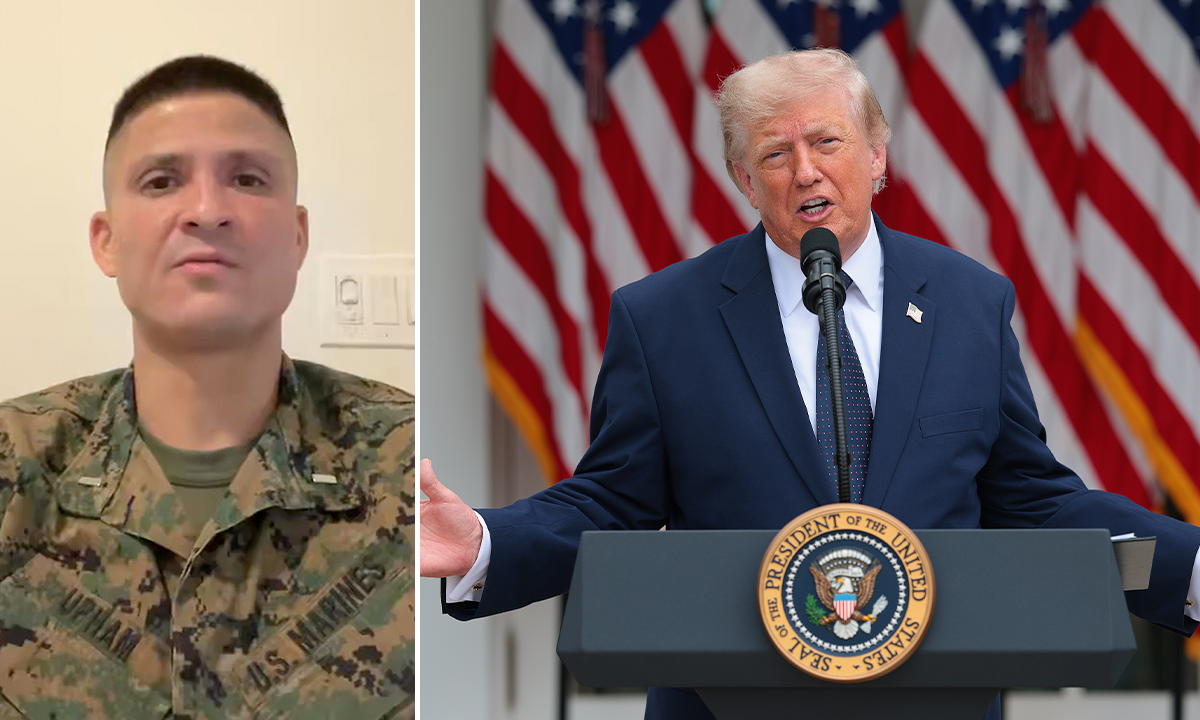
William Upham, a Republican write-in candidate for Florida’s 5th Congressional District and a former U.S. Marine, posted a nearly seven-minute social media video in which he called President Donald Trump “the Antichrist” and said the president “must be killed.” The recording prompted swift condemnation from military leaders and acknowledgement from federal security officials, who say they are reviewing the comments.
What William Upham said
In the nearly seven-minute recording, Upham begins by positioning his campaign as an effort to “fix our broken political system” and to restore power to the working class. Midway through, he shifts to religious denunciation of the president, repeatedly labeling President Trump a false messiah and saying the president “must be killed.”
Upham invokes the oath he said he took as a Marine officer and frames the moment as a spiritual battle. He says, according to reporting, that “he is a false messiah. And he is your enemy. And he must be killed,” and later that “President Trump is the Antichrist. And he will be killed and sent to hell. God will prevail against evil.” Those lines are central to how officials are treating the recording.
Reactions from the Marine Corps and Navy leadership
The U.S. Marine Corps issued a forceful rebuke, saying it is aware of the “disturbing statements made by William Upham” and calling the comments a “direct violation of the oath he swore to uphold” that are “not in keeping with the service’s values.” The service also confirmed Upham was medically discharged on May 30, 2025. (See the Marine Corps newsroom for official notices: marines.mil News.)
Acting Navy Secretary Hung Cao also weighed in publicly, writing that the remarks were “Unacceptable” and that “William Upham is no longer a Marine and does not represent our values or ethos.” Military leaders emphasized distancing the active service and its values from the statements of a former member.
Secret Service and wider security response
The U.S. Secret Service told reporters it is aware of the comments and that it “investigate[s] anything that can be perceived as a threat” toward one of its protectees, while adding that “out of concern for operational security, we do not discuss matters of protective intelligence.” The agency’s statement underscores a protective-intelligence posture; its public comments are available through the Secret Service newsroom: secretservice.gov Newsroom.
That posture typically involves assessing intent, capability and any nexus to real-world danger. Officials commonly review public statements naming protected individuals or urging violence and may coordinate with other agencies as needed.
Campaign and legal context
Upham is running as a write-in candidate in Florida’s 5th Congressional District. Write-in status affects ballot access and campaign infrastructure but does not limit law enforcement review of potentially violent statements. Fox News Digital reported it reached out to the FBI, the White House and Upham’s campaign for comment; at the time of reporting, no additional public comments from the campaign were published.
Statements that appear to call for violence against a sitting president raise potential legal and security questions. Whether remarks meet the threshold for criminal investigation depends on context, specificity, and demonstrated intent or capability.
Why this matters
Allegations of calls for violence by a political candidate raise immediate public-safety and legal concerns. Protective agencies assess threats to determine necessary steps to protect officials and the public. For voters and local officials, such remarks also bear on candidate fitness and the integrity of the electoral process in Florida’s 5th Congressional District.
What comes next
Authorities may open inquiries to determine whether the statements constitute credible threats or fall within protected speech. The Secret Service has signaled it will monitor comments perceived as threats; the FBI could become involved depending on investigative findings. Political consequences may include calls for withdrawal, formal condemnations or other campaign fallout.
Reporters will continue seeking comment from Upham’s campaign, federal law enforcement and elected officials, and will monitor for any additional official statements or actions from protective agencies.
Official statements
Military leaders and the Secret Service have issued short statements that were reported in news coverage. The Marine Corps described Upham’s comments as a violation of his oath and confirmed a May 30, 2025 medical discharge. The Secret Service emphasized that it investigates comments perceived as threats while protecting operational security. Acting Navy Secretary Hung Cao publicly stated Upham does not represent the service’s values.
FAQ
What happened with William Upham?
William Upham posted a nearly seven-minute social media video in which he labeled President Trump the “Antichrist” and said the president “must be killed.” The remarks drew immediate condemnation and review from military and federal security officials.
Why does William Upham matter?
Upham is a public figure running for Congress whose recorded remarks urging lethal action against a president prompted intervention by protective agencies and raised questions about candidate fitness and public safety.
What happens next?
Investigations or protective actions could follow. The Secret Service has indicated it reviews remarks that may be perceived as threats, and the FBI may become involved based on findings. Political and administrative consequences could also ensue.
Source attribution
This article is based on reporting by Fox News Digital and official statements by the U.S. Marine Corps and the U.S. Secret Service. See Fox News coverage here: Fox News: Former Marine running for Congress says Trump is the Antichrist and ‘must be killed’ in shocking video. Official agency information can be found at the Marine Corps newsroom (marines.mil) and the Secret Service newsroom (secretservice.gov).