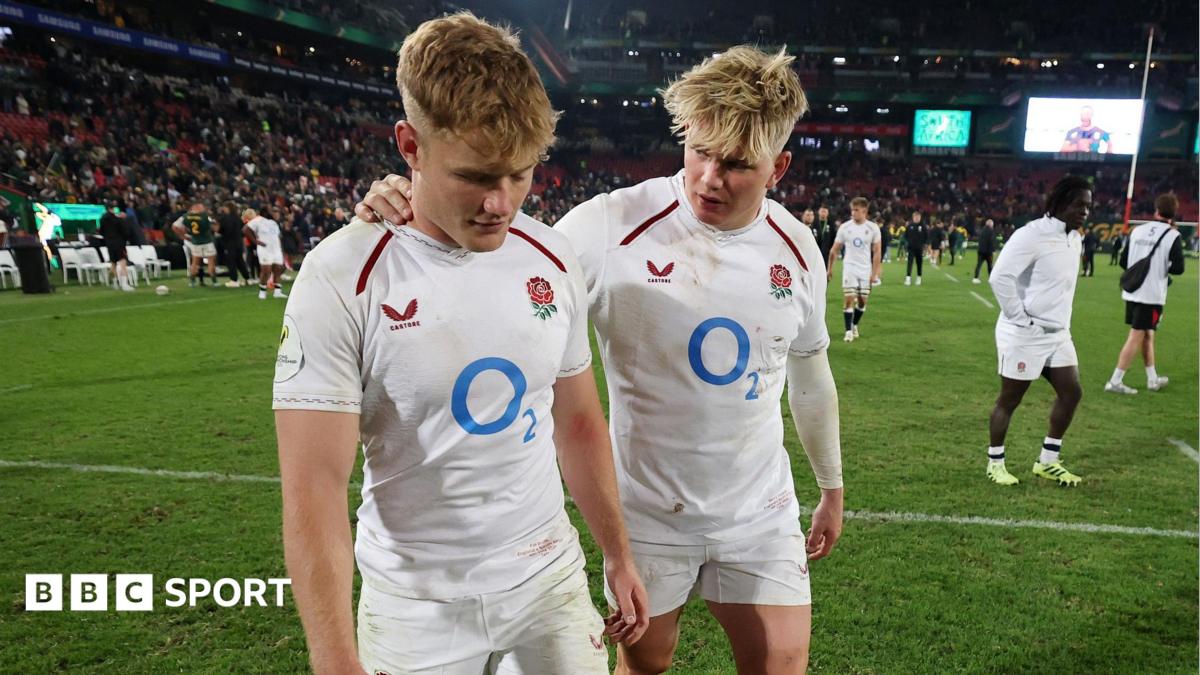
Quick summary
The Boks left few doubts in a match that once again exposed England’s frailties. South Africa’s physicality and control underpinned a win that not only extended England’s losing streak but also intensified questions about Steve Borthwick’s approach. BBC Sport framed the result as a statement from the visitors — even using the phrase “big-game brutality” — and flagged immediate concerns for England’s set-piece, discipline and in-game adaptability. This analysis looks at how South Africa built control, why England faltered under Borthwick, and the concrete next steps required to stop the slide.
How the Boks dominated
South Africa imposed a template of physical dominance and territory control from the outset. The Boks used heavy contact in close quarters and tight-phase power to win collisions and trigger penalties that tilted possession in their favour. BBC Sport described the performance as the visitors “unleash[ing] big-game brutality,” a phrase that captures how South Africa made the contest one of attrition rather than a free-flowing contest.
Territory management was central. Smart, pressure-oriented kicking forced England to receive deep inside their own half repeatedly, turning routine restarts into defensive sequences. When England tried to counterattack, South Africa’s rush defence and quick line speed cut down time and space, limiting clean ball for multi-phase moves.
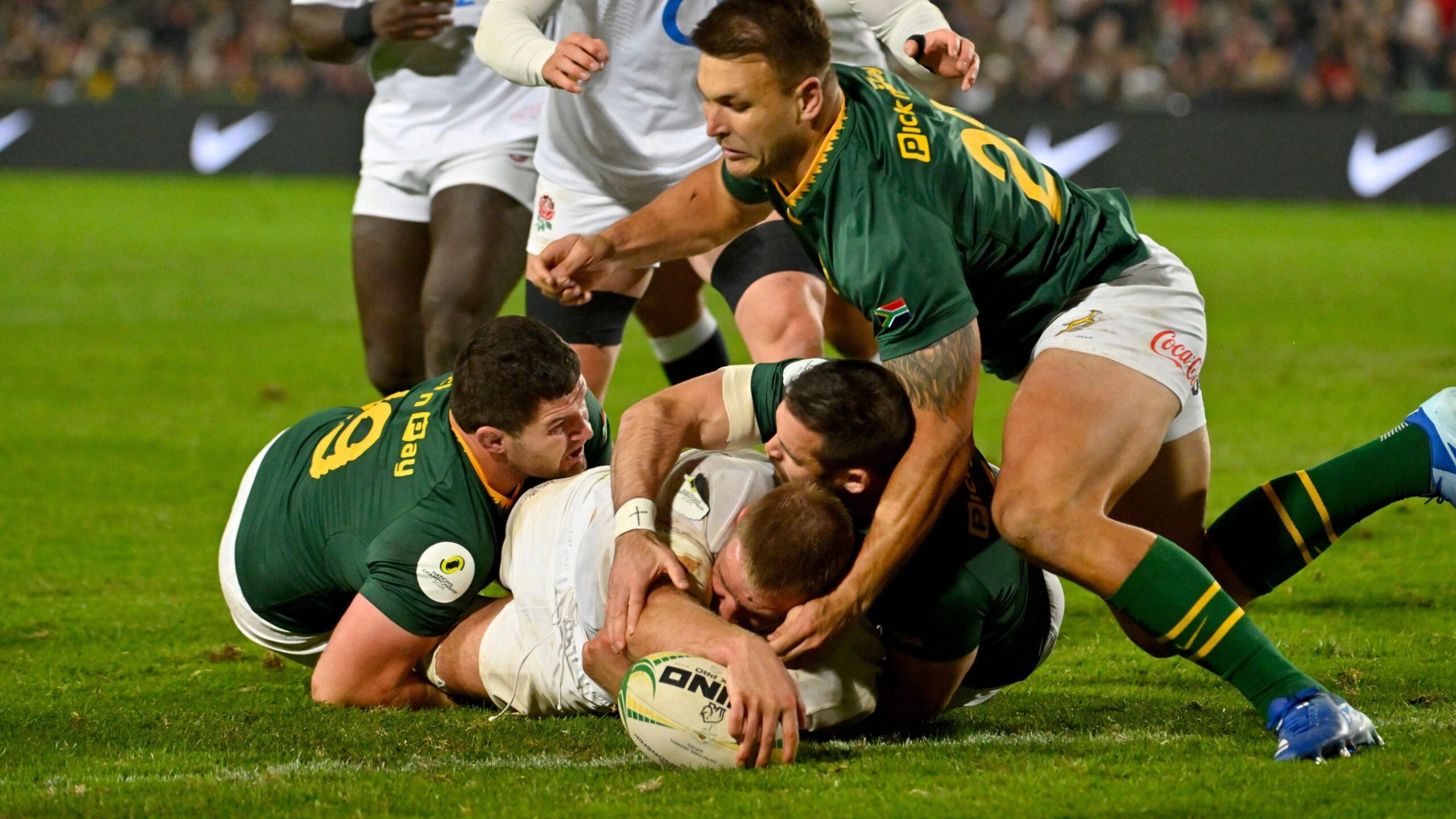
Set-piece and breakdown work underpinned the tactical plan. The Boks looked organised at rucks, were quick to clear or secure ball, and prevented England from building sustained platform ball. That combination of physical collision success, breakdown efficiency and territory control made it hard for England to establish rhythm or seize momentum.
Why England faltered under Borthwick
England’s issues on the day were layered and recurring. Under Steve Borthwick, selection and structure have at times seemed unsettled; in this match those strains showed in poor handling, repeated penalties and inconsistent set-piece execution. Those basic errors handed South Africa easier field-position and added scoreboard pressure that forced England into risk-averse choices.
In-game management also drew questions. Substitutions and tactical adjustments did not consistently change tempo or blunt the visitors’ momentum, leaving England reacting rather than imposing. That pattern — where responses lag behind opposition control — feeds into a wider narrative about the team’s current inability to adapt quickly under pressure and has contributed to the ongoing losing streak.
There is a psychological element too: as errors mount, players tend to tighten up and opt for conservative options that play into the strengths of opponents who want to control possession and tempo. BBC Sport’s reporting on the match emphasised how the visitors exploited those tendencies to keep England uncomfortable throughout the game.
What this means and next steps
Practically, England face an urgent window to show improvement. The next fixtures will be scrutinised not only for results but for visible, repeatable improvements in fundamentals: cleaner set pieces, fewer penalties, more decisive kicking options, and better breakdown work. Short-term interventions should prioritise discipline (to reduce conceded penalties), rehearsed set-piece routines and clearer contingency plans for when the first-choice approach is stifled.
On personnel, Borthwick and his coaching team must weigh continuity against the need for decisive changes where patterns of error are persistent. That could mean giving key combinations time to gel where there are signs of progress, or making targeted changes where repeated mistakes undermine game plans. The immediate goal is pragmatic: stop the losing streak by eliminating repeatable failures rather than seeking cosmetic fixes.
Longer-term, England will need to rebuild momentum through an identity that copes with opponents’ physicality while retaining attacking intent. That includes developing sharper in-game adjustments — for example, clearer kicking strategy options and faster response plans for when the opposition controls the collision zones. Demonstrable progress in these areas is the most realistic route to reversing the current run of results.
Key takeaways
- The Boks used physical dominance, breakdown efficiency and territory control to unsettle England.
- England’s repeated handling errors, penalties and inconsistent set-piece work under Borthwick compounded the problem.
- Immediate priorities: tighter discipline, better set-piece basics and clearer match-management to stop the losing streak.
Frequently asked
How did the Boks win this match?
They combined physical forward play, effective breakdown work and territory-focused kicking to keep England under pressure and limit their attacking chances — a point highlighted in BBC Sport’s match coverage.
What does this loss mean for Borthwick and England?
The defeat increases scrutiny on coaching decisions and selection, and magnifies the need for short-term fixes to halt the losing streak while restoring confidence in set pieces and match management.
When can England realistically stop the losing streak?
Stopping it depends on rapid improvement in discipline and set-piece reliability. If those basics improve visibly in the next fixtures, England could feasibly see progress quickly; consistent change will determine long-term recovery.
Source attribution
Source: BBC Sport — see the original match report and analysis: Boks unleash big-game brutality on Borthwick’s faltering England. This piece draws on BBC Sport’s reporting and on additional analysis of tactical and coaching implications.