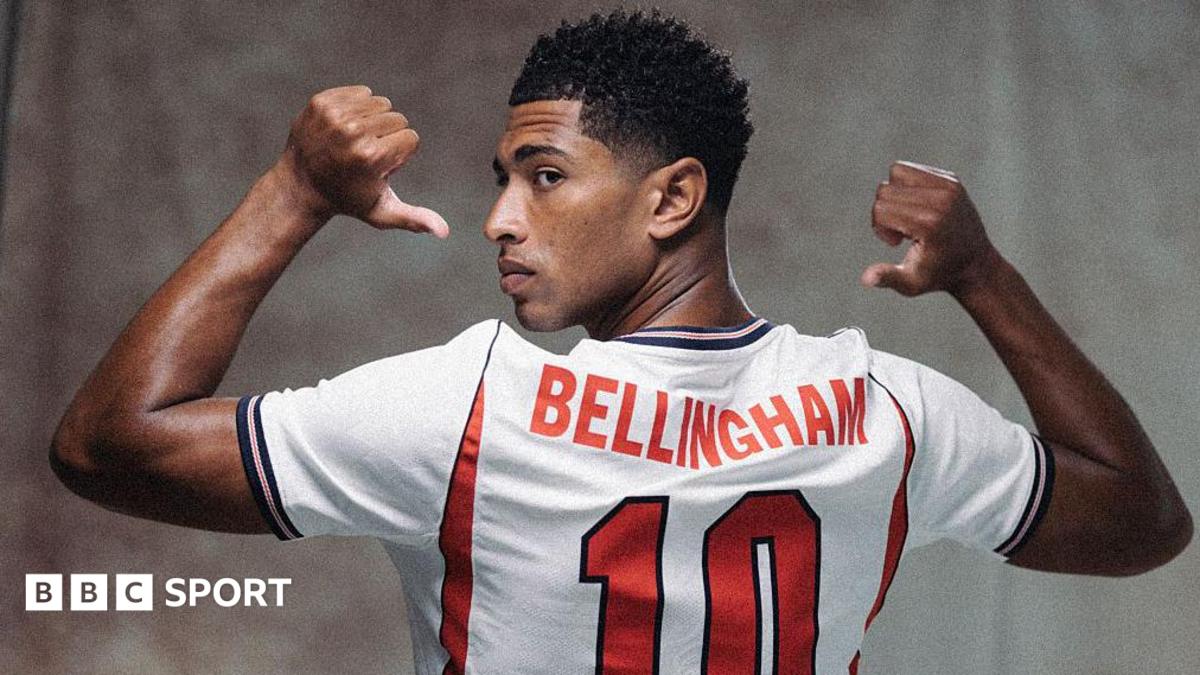
Jude Bellingham has been the clearest sign of England’s momentum at this World Cup, combining presence, pace and control in central areas at crucial moments. His performances have refocused how England can both manage games and manufacture openings in tight knockout scenarios.
Jude Bellingham’s World Cup resurgence
Bellingham’s tournament displays register as a clear resurgence because he has reasserted traits that were less visible earlier in the England cycle: sustained forward intent, incisive transition play and an ability to lead teammates in moments of pressure. He has looked comfortable carrying the ball through congested midfield zones while also arriving in the box at decisive moments.
Those qualities matter beyond individual highlights. Opponents must now plan specifically to limit his influence, which changes how they defend as a team. That tactical attention creates secondary chances for England’s wide players and forwards as space opens when defenders are pulled out of position.

How he fits into England’s setup
Bellingham operates as both conduit and creator in England’s shape. He progresses play with purposeful carries, while also offering late runs and quick, accurate passing to puncture compact defenses.
Teammates rely on him to link defence and attack in a way that allows the side to press higher without exposing the backline as often. By drawing markers and occupying half-spaces, he helps create overloads that energise wide players and give England multiple routes into the final third.
Tactical snapshot
From a tactical standpoint, Bellingham’s value is twofold. First, he progresses play by carrying the ball into advanced areas and breaking lines with forward passing. Second, his timing of forward runs complements a more static striker, creating a second-arrival threat that defenders must monitor.
When England shift through phases, Bellingham often slides into pockets between midfield and defence, forcing opponents into a dilemma: step out to contest him and concede channels elsewhere, or sit deep and cede territory. That decision-making burden on the opposition is a decisive contribution that isn’t always captured in basic statistics.
Why Sami Mokbel calls him indispensable
Sami Mokbel, writing for BBC Sport, argues that Bellingham’s return to form makes him indispensable to England. Mokbel’s case rests on how Bellingham’s mix of energy, ball progression and positional intelligence enhances England’s tactical options at both ends of the pitch.
The assessment frames Bellingham not just as an excellent individual performer but as the player whose presence alters England’s overall balance. That perspective emphasises how one player’s attributes can change a team’s default approach to controlling tempo and creating moments of overload.
What it means for England’s World Cup chances
Practically, Bellingham’s role increases England’s margin for managing games. He helps cushion the team during intense pressure periods by winning or progressing possession, and he can accelerate attacks when a goal is needed by breaking lines or arriving late in the box.
Opponents that overcommit to containing him risk leaving other areas exposed; conversely, if he is neutralised, England must rely more on secondary creators and set-piece situations. The ability to influence both phases of play—defensive organisation and attacking tempo—makes him a central figure in tournament strategy.
In knockout football, where tight margins decide outcomes, having a repeatable method to control games is invaluable. Bellingham’s consistency gives England a higher probability of dictating matches rather than reacting to them.
Background
Bellingham’s rise into a decisive international figure follows a period of experimentation in England’s midfield. Managers tested different combinations to balance creativity, protection and physical output. Over time, Bellingham has added timing and decision-making to his already notable athletic and technical profile, becoming more complete as a top-level midfield option.
That evolution is not automatic; sustaining this level through consecutive knockout fixtures depends on fitness management, opposition planning and the coaching staff’s in-game adjustments. His workload must be calibrated to ensure peak impact for the most consequential matches.
Key takeaways
- Jude Bellingham’s World Cup form gives England a central player who can control tempo and create attacking overloads.
- His tactical role forces opponents into difficult defensive choices, benefiting England’s wide and forward players.
- Sami Mokbel’s BBC Sport assessment describes the combination of traits that make Bellingham “indispensable” to England’s current setup.
- Sustaining that influence across knockout fixtures will hinge on fitness, opposition focus and tactical management by the coaching staff.
Source
Analysis informed by Sami Mokbel’s article for BBC Sport: Hey Jude: Bellingham’s return to England indispensability. Sami Mokbel / BBC Sport is the primary source for the framing that describes Bellingham as “indispensable”.
FAQ
How has Jude Bellingham changed since the last England cycle?
He has shown greater consistency in carrying the ball into advanced areas and in timing forward runs. This evolution means he now contributes more reliably to both build-up play and direct goal threats than in past cycles.
What does “indispensable” mean for England’s lineup?
It means England’s tactical balance and match control improve noticeably when he is at his best. Opponents must alter their shape to contain him, which creates advantages for other England players across the pitch.
Will this form affect Bellingham’s club role after the World Cup?
Strong tournament performances commonly reinforce a player’s standing at club level, but any lasting change depends on club tactics, squad competition and how he sustains his form and fitness beyond the tournament.