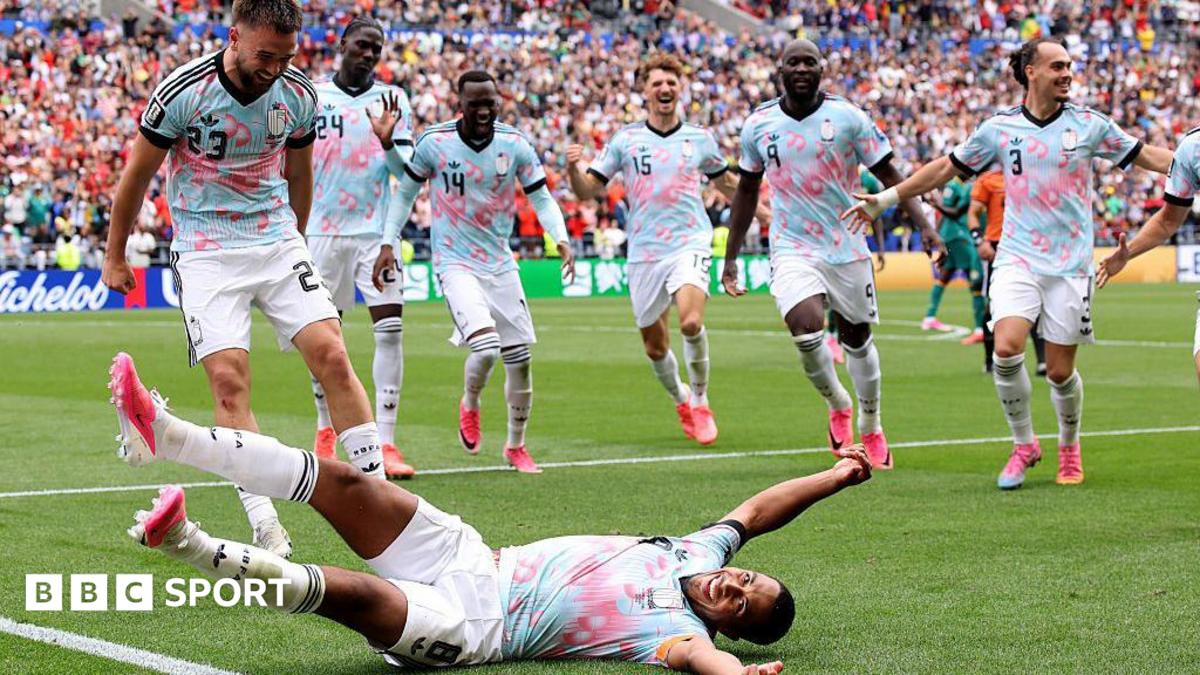
The Senegal World Cup exit came in gutting fashion as Belgium advanced from a last-32 tie decided by a goal in the closing moments. The contest combined an early advantage for Belgium, a sustained Senegal comeback and disputed late incidents that will be examined by officials and debated by pundits.
Match summary: how the tie unfolded
Belgium opened the scoring and held a lead through the first phase of the match, forcing Senegal to change shape and chase possibilities. Senegal grew into the contest after half-time, increasing pressure on Belgium and creating a series of promising sequences that ultimately produced an equaliser later in the second period.
As the match moved into its final stages, momentum swung in Senegal’s favour, and it looked as if the African side might complete a turnaround. Instead, the tie was decided by a dramatic late goal in stoppage time – widely described in media coverage as one of the latest deciding strikes of the tournament – which left Senegal with little time to respond and confirmed Belgium’s progression from the World Cup last-32.
Match reports from BBC Sport and other outlets describe the winner as coming in the very final moments of play, after a scramble and a rapid counter that broke Senegal’s hopes of surviving the game. This sequence, and the calls that led into it, provided the decisive headlines from a match that oscillated between hopeful comeback and sudden heartbreak.
Senegal World Cup exit: decisive moments
Several clear phases defined the tie. Belgium’s early lead set the tactical story; Senegal’s second-half response demonstrated tactical flexibility and belief; and the final phase was dominated by frenetic action and marginal calls.
Senegal’s equalising period was the result of sustained pressure and a noticeable shift in tempo. The team adjusted its midfield approach and introduced fresh legs from the bench, forcing Belgium into a deeper posture. Those substitutions and changes mattered: they enabled Senegal to find a route back into the scoreline and to create the belief that a comeback was possible.
Ultimately it was a late, stoppage-time goal that settled the tie. Media coverage labelled it among the latest match-winners of this World Cup, and the timing amplified the emotional swing. Crucially, several decisions in the closing sequences were called into question by supporters and analysts—contacts in the penalty area, the positioning of officials and the handling of a late set-piece all drew attention.
“A tie that swung on inches and seconds — late drama that will be discussed long after the tournament moves on.” — coverage summary from BBC Sport and contemporary reports.
Those descriptions are echoed across coverage, including independent match reports that emphasised both Senegal’s resilience and the razor-thin margins by which Belgium progressed. While the raw scoreline records a single-goal margin, the match narrative is defined by the comeback and the precise timing of the decider.
What this means for Senegal and Belgium
For Senegal, the immediate feeling is heartbreak. A World Cup campaign that showed promise concluded abruptly in the last-32, denying the side the chance to build momentum deep into the tournament. The exit will prompt internal reviews: assessments of late-game management, set-piece defending and the tactical decisions that allowed Belgium to counter in the final moments.
Belgium move on, rewarded with a place in the next round and the short-term boost that comes from a dramatic victory. Progress brings renewed scrutiny as well: while a last-gasp win delights supporters, it also raises questions about consistency and how the squad will perform against the higher-quality opposition awaiting in later rounds.
Historically, this tie will be recalled for its emotional arc — early control, spirited comeback and an agonisingly late decider. For neutral observers, the match serves as another example of how single moments can reshape narratives in tournament football: details such as substitutions, referee positioning and set-piece execution proved decisive.
Key takeaways and next steps
Immediate takeaways are straightforward: Senegal exit the World Cup at the last-32 stage after a game that produced both a determined comeback and a last-minute winner; Belgium progress but will need to shore up aspects of their game if they are to advance further.
From a governance perspective, the controversial late sequences are likely to attract review. Tournament refereeing teams and the relevant governing bodies typically examine match incidents that draw significant dispute, and teams can expect clarifications or confirmations about how particular calls were reached.
For Senegal, attention now turns to player welfare, post-tournament planning and the longer-term cycle ahead of qualification and friendlies. Managers and technical staff will evaluate who contributed strongly, which tactical ideas worked and where reinforcements or changes are needed. For Belgium, preparation for the next opponent must balance recovery with tactical sharpening after an emotionally draining win.
What comes next on the pitch is a test of resilience for both nations: Senegal must regroup after sudden elimination, while Belgium must transform late drama into consistent performance if they are to capitalise on this narrow passage into later rounds.
FAQ
Why did Senegal exit the World Cup?
Senegal exited after losing the last-32 tie to Belgium; the match was decided by a late stoppage-time goal following a period in which Senegal had mounted a comeback.
Was there controversy in the match?
Yes. Several late incidents prompted debate — including challenges in the penalty area and the handling of a final set-piece — and those moments have been highlighted in match reports and will likely be reviewed by officials.
What happens next for Senegal and Belgium?
Belgium progress to the tournament’s next round and will prepare for tougher opponents. Senegal will conduct a post-tournament assessment, address areas exposed by the match and begin rebuilding toward future international fixtures.
Source: BBC Sport — Latest coverage of the match. Reporting and match overviews also referenced contemporary Reuters coverage and broader tournament analysis for corroboration.