World Cup final reaction to Spain’s extra-time win was immediate and unmistakable: a number of Argentina players were seen visibly frustrated at full time, according to BBC Sport coverage of the 2026 final. Images and clips circulating after the match focus on tense exchanges and angry gestures in the moments after Spain sealed victory, prompting widespread discussion online and on broadcasts.
World Cup final reaction: what we saw
BBC Sport’s report and the accompanying video show a range of strong emotions from Argentina’s players at the final whistle. Some individuals displayed clear signs of anger or disbelief, while others looked drained and resigned.
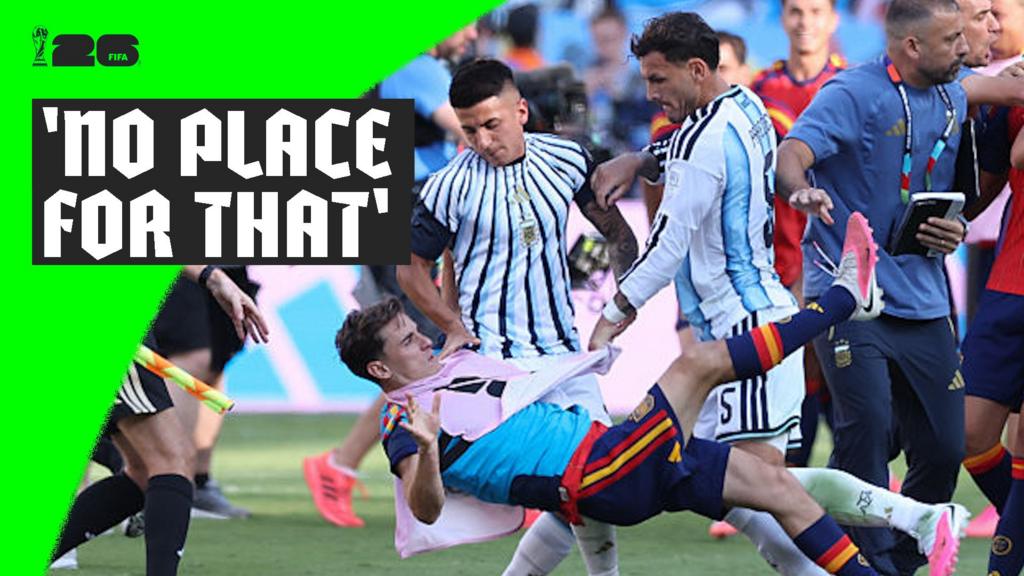
The footage and photographs that have been published centre on quick, intense interactions on the touchline and in areas close to the dressing room. BBC coverage used the phrase “The reaction is terrible” to describe what was captured, and that wording has been widely cited as viewers reacted in real time.
How the match ended
Spain beat Argentina in extra time to win the 2026 World Cup final, ending a tightly contested match that required additional minutes to separate the sides. The result denied Argentina back-to-back world titles after their 2022 success and produced heightened emotions as the tournament reached its climax.
The match itself drew attention for its intensity and narrow margins, which help explain why post-match scenes attracted so much scrutiny. Extra time in a World Cup final raises competitive stakes and the pressure on players, staff and officials.
What the images show and what we do not know
Photographs and short video clips show shouting, animated gestures and confrontational body language among some Argentina players and nearby staff. These visuals provide clear evidence of visible frustration in the immediate aftermath of the final whistle.
Crucially, the material made public so far is limited to snippets and stills. That means the images do not present a complete sequence of events and do not independently verify specific allegations of misconduct. BBC Sport’s reporting highlights the intensity of the reaction but does not claim a full, independently verified account of everything that took place.
Because available footage covers only brief moments, it is not possible from those images alone to determine precise triggers for individual behaviour, whether all exchanges were mutual, or whether any formal disciplinary action will follow. Observers should therefore treat the visuals as indicative rather than conclusive.
Immediate reactions and quotes
Commentary around the footage included BBC Sport’s description that “The reaction is terrible,” reflecting concern among some broadcasters and pundits about conduct after such a high-profile match. Reactions split between those who saw understandable emotional responses to a painful defeat and those who felt the scenes crossed lines of acceptable behaviour.
Broadcast analysts who covered the game urged caution in drawing firm conclusions from short clips, noting that context is essential and that review processes exist to establish facts before sanctions or public judgements are made. Media coverage emphasised both the competitive stakes of a World Cup final decided in extra time and the need for measured assessment of post-match images.
What comes next for Argentina and Spain
In the days immediately following the final, Spain will undertake the usual schedule for a world champion: celebrations, official events and media commitments. For Argentina, attention will turn inward to player welfare, internal review and preparation for upcoming fixtures as the team rebuilds after a painful loss.
Match officials and governing bodies may review footage to determine whether any formal disciplinary steps are warranted. At present, BBC Sport’s coverage does not report confirmed sanctions; any such outcomes would normally follow established review processes and decisions by the relevant authorities.
Expert reaction
Analysts covering the match pointed to the extraordinary pressure of a World Cup final decided in extra time as a primary factor behind heightened post-match reactions. They also emphasised the importance of relying on review mechanisms rather than immediate public condemnation based on limited clips.
This mix of explanation for emotional intensity and a call for measured, fact-based assessment has been a consistent theme among commentators reacting to the footage shown by BBC Sport and other outlets.
Source and next steps
This report draws on BBC Sport’s coverage and video report of the match and the post-match scenes. The BBC footage and reporting supplied the quoted wording and the images that have prompted further discussion. Independent confirmation of a full sequence of events is not currently available; readers should note the limitations of publicly available clips.
Source: BBC Sport – Top Stories
FAQs
What happened with World Cup final reaction?
After Spain beat Argentina in extra time to win the 2026 final, BBC Sport published photos and short video clips showing visible frustration from some Argentina players at full time. The publicly available material shows strong gestures and tense exchanges but does not present a complete sequence of events.
Why does World Cup final reaction matter?
Player behaviour after major matches affects perceptions of sportsmanship and can lead to formal review by officials. A World Cup final attracts exceptional attention, meaning post-match scenes are scrutinised more closely than in most other fixtures.
What happens next?
Officials may examine available footage to decide if disciplinary measures are needed. Teams will carry out internal reviews and media coverage may provide further context as more information becomes available.