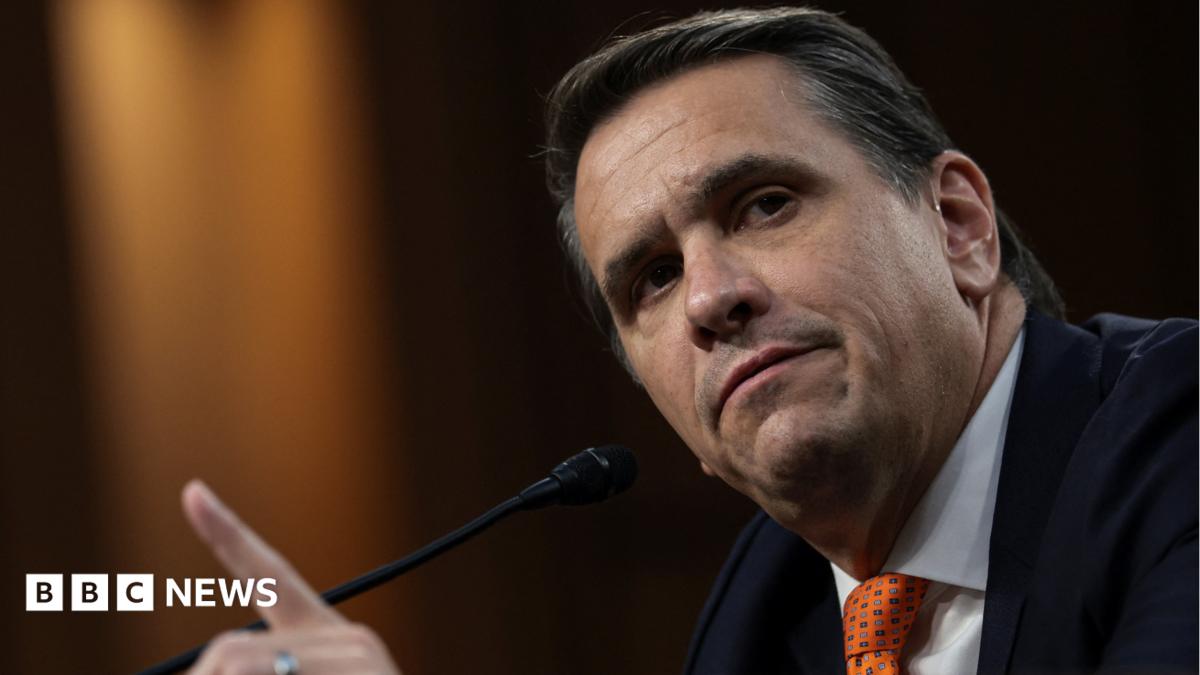
Blanche apologised on Capitol Hill on Wednesday for what he called “mistakes” in the handling of files related to the Jeffrey Epstein matter, telling senators he regretted any errors as they pressed him for clarity. The nominee, appearing before a Senate committee, faced a bipartisan grilling as he seeks confirmation to be permanent US attorney general.
The hearing focused on document control, disclosure and timelines. Blanche said he would cooperate with further inquiries and aimed to reassure lawmakers about his commitment to transparency and the rule of law. Reporting for this account is based on BBC News – World coverage of the hearing.
Quick facts
- Who: Blanche, nominee for permanent US attorney general.
- What: Apologised on Capitol Hill for alleged mistakes related to Epstein files.
- Where: Senate confirmation hearing on Capitol Hill.
- Source: BBC News – World reported the hearing and Blanche’s remarks.
What Blanche said on Capitol Hill
Blanche addressed the committee with an apology, saying there were “mistakes” in how certain documents were handled and expressing regret for any lapses. He characterised the problems as failures in administrative processes rather than deliberate concealment, and pledged to furnish additional information to the committee where possible.
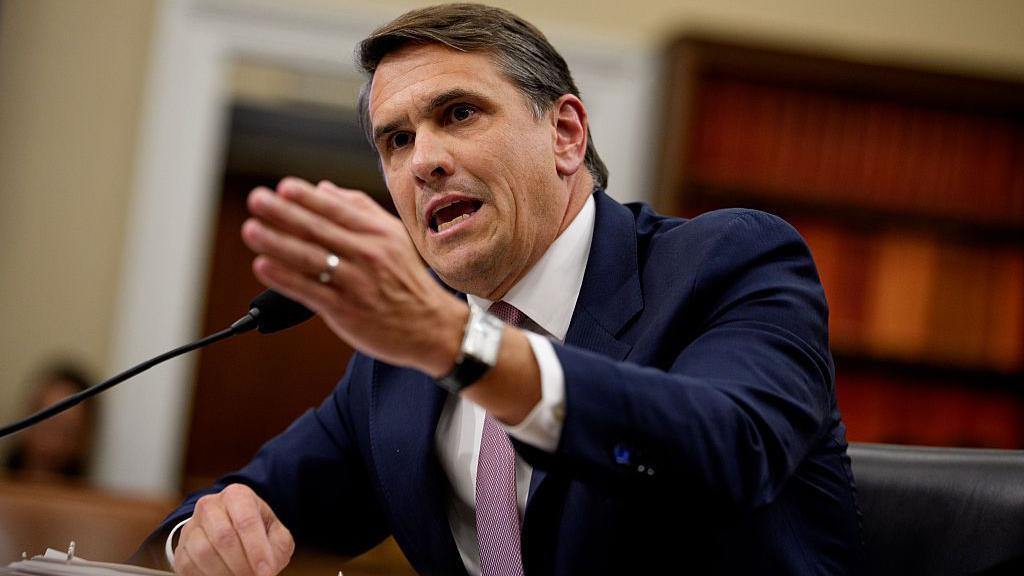
On the record he said he welcomed scrutiny and would work with senators to answer outstanding questions about document inventories and timelines. His statements sought to draw a distinction between procedural errors and intentional wrongdoing; any claims that files were deliberately mishandled should be treated as allegations until independently confirmed.
Senators pressed him on whether his office had implemented corrective steps. Blanche said he had directed internal reviews and would provide more material if requested. He emphasised his commitment to follow-up cooperation with the committee’s requests.
Why senators pressed him
The questioning was bipartisan. Lawmakers wanted to know who had access to the files, what records existed, and whether established chain-of-custody and disclosure protocols were followed. The scrutiny reflected wider concerns about public trust in how sensitive case materials are managed.
Committee members repeatedly asked whether procedural gaps could have affected the integrity or timing of disclosures. They sought specifics about inventories, who reviewed documents, and whether staff training and oversight had changed since the issues came to light.
Those lines of inquiry underline why document handling matters in evaluating a nominee for the role of US attorney general — the post carries responsibility for ensuring fair, transparent processes in federal prosecutions.
Background on the Epstein files
The files at the centre of the hearing relate to investigations and reporting connected to Jeffrey Epstein. Public interest has concentrated on who saw which documents and when, and on whether any procedural failures affected case handling or public disclosure.
Key context: Jeffrey Epstein died in August 2019; since then, reporting and reviews of related investigations and files have continued. Media outlets and congressional offices have periodically probed document control and access as new information and records have emerged.
Any suggestion that Blanche or others intentionally mishandled Epstein-related files is an allegation unless independently verified. The nominee framed the problems as mistakes in administrative handling rather than deliberate wrongdoing.
Proper chain-of-custody, clear disclosure protocols and robust recordkeeping are central in sensitive investigations. Even administrative lapses can prompt serious questions about oversight and accountability, which is why senators devoted substantial time to the topic.
What senators wanted to know next
During the hearing, senators asked for concrete next steps: a full inventory of disputed documents, timelines for internal reviews, and evidence of any policy or training changes to prevent recurrence. They also queried whether preliminary review results would be shared with the committee.
Blanche indicated a willingness to provide follow-up materials and to be responsive to requests. Lawmakers left open the possibility of seeking additional testimony or documentary evidence depending on what the nominee supplies.
Next steps for the confirmation
The confirmation process continues. The Senate committee will decide whether to advance Blanche’s nomination to the full Senate; if advanced, the full Senate must hold a floor vote for final confirmation.
Procedural possibilities in the coming days and weeks include supplemental document submissions, extra briefings for committee members, or targeted hearings with staff who managed relevant records. Senators could also attach conditions or seek binding commitments before endorsing a nomination.
What comes next — timeline
Immediate steps likely include committee staff review of any documents Blanche provides and discussions among committee members about whether they have enough information to vote. If the committee votes to advance the nomination, timing for a full Senate vote will be scheduled by Senate leadership.
There is no fixed deadline; the pace depends on whether the committee’s concerns about document handling are resolved by new evidence or testimony. Observers should expect requests for supplemental materials in the short term.
What to watch
Watch for whether the committee receives a comprehensive inventory of the disputed files, the release of any formal internal review findings, and specific policy proposals from Blanche’s team to strengthen recordkeeping and disclosure practices.
The committee’s next procedural move — a vote, a demand for more documents, or further hearings — will be a clear indicator of the nomination’s momentum.
This article is based on reporting by BBC News – World and includes material from the original BBC account of the hearing.
Source: BBC News – World