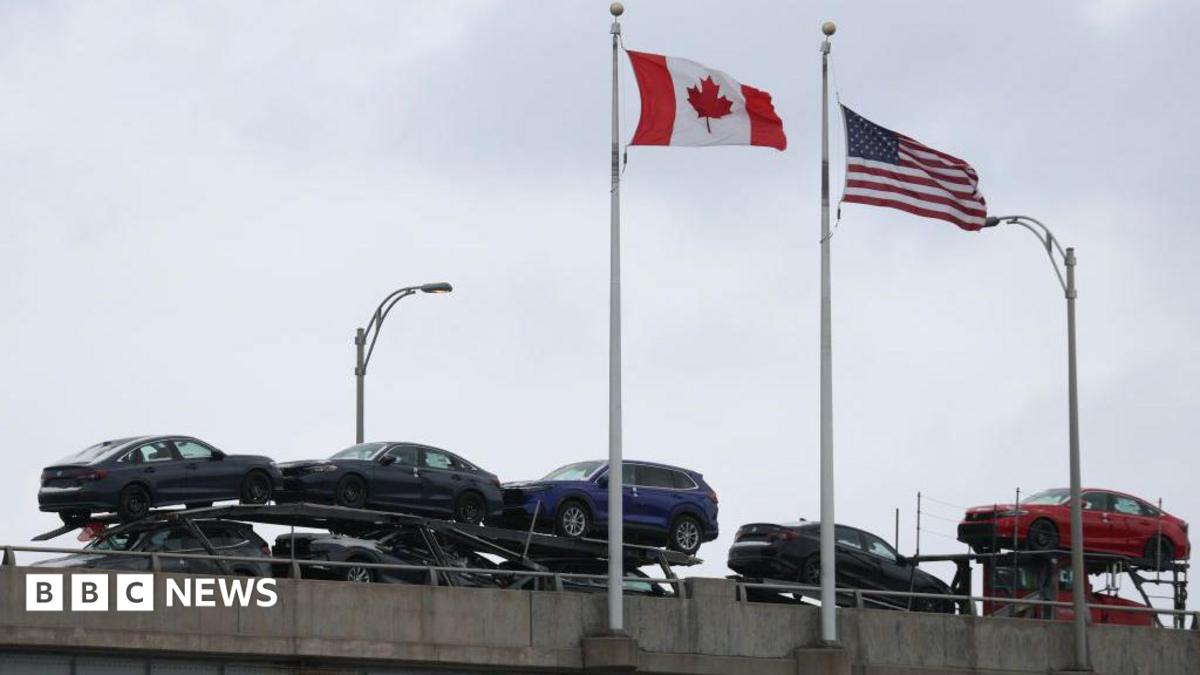
The North American free trade pact extension appears unlikely to be finalised by the 1 July deadline, according to BBC News reporting. Officials from the United States, Canada and Mexico remain in negotiations over whether to extend the existing pact and under what terms. With limited progress reported, governments are now preparing for interim steps to reduce disruption while talks continue.
North American free trade pact extension: latest status
Negotiators in Washington, Ottawa and Mexico City have been trying to agree whether and how to extend the pact. BBC News has assessed that, based on public statements and the pace of talks, the three countries are unlikely to complete a formal extension by 1 July.
The BBC assessment notes ongoing discussions but says remaining differences—particularly on administrative terms and safeguards for domestic industries—have slowed an immediate resolution. The assessment is attributed to BBC News reporting and should be read as an informed judgement rather than a confirmed outcome.
Quick country notes: US, Canada, Mexico
- United States: Washington has emphasised protecting domestic industries and seeks legal clarity on administrative terms. US negotiators have signalled caution on open-ended commitments.
- Canada: Ottawa has pushed for provisions that safeguard supply chains and labour standards while aiming to avoid interruptions to trade flows.
- Mexico: Mexico’s representatives have stressed continuity for exporters and certainty for cross-border manufacturing, urging pragmatic compromises to limit disruption.
Why the July 1 deadline mattered
The 1 July date was intended to give governments, businesses and customs authorities clarity on whether key trade rules would continue without change. An on-time decision would have reduced legal and commercial uncertainty for firms that rely on integrated North American supply chains.
Failing to meet the deadline does not automatically end trade rules, but it prolongs ambiguity over tariffs, rules of origin and customs procedures, which can complicate planning for exporters, importers and logistics firms.
What comes next and likely timeline
Officials are expected to follow a short sequence of steps in the coming days and weeks. These are likely to be date-driven but remain contingent on negotiations and political sign-off.
1 July: The formal deadline will pass with talks continuing. Governments may issue interim statements to reassure markets and businesses.
Early July (first one to two weeks): Technical teams are likely to keep working on specific legal and administrative provisions. Parties may agree a brief procedural extension lasting days or weeks to avoid abrupt uncertainty at borders.
Mid-July: Ministers could be convened if technical teams identify a near-final agreement; political sign-off may be sought during this period if progress accelerates.
Late July and beyond: If outstanding differences persist, talks could stretch into late July or further, with rolling timetables and periodic updates aimed at limiting trade disruption.
These steps represent plausible sequences many trade experts expect; they are presented as likely scenarios rather than confirmed plans and reflect reporting and analysis from BBC News.
Background: what the pact covers
The free trade pact connects the United States, Canada and Mexico and governs tariffs, rules of origin, customs cooperation and dispute-resolution mechanisms across North America. It underpins a large share of cross-border manufacturing and agricultural trade in the region.
Debate over an extension has focused on how long certain provisions remain in effect, the legal form of any continuation and safeguards to protect domestic policy choices while preserving predictable trade arrangements.
What this means for businesses
Companies that depend on cross-border supply chains should monitor official announcements and review contingency plans. Uncertainty can influence contracting, inventory and timing decisions, particularly for time-sensitive manufacturing and seasonal exports.
Where possible, firms should seek clarifications from customs authorities and consider short-term measures—such as temporary documentation allowances—if authorities make them available while negotiations continue.
Frequently asked questions
What happened with North American free trade pact extension?
Negotiators from the United States, Canada and Mexico were expected to decide by 1 July whether to extend the pact. Reporting by BBC News indicates they are unlikely to have finalised an extension by that date and that talks are continuing.
Why does North American free trade pact extension matter?
An extension affects legal certainty for tariffs, rules of origin and cross-border trade procedures. It matters to manufacturers, farmers and traders who rely on consistent rules and smooth customs operations across North America.
What happens next?
Governments may agree a short procedural extension, set a new target date for ministers to decide, or continue technical talks through July. Expect periodic interim statements aimed at reassuring businesses while negotiators work on outstanding issues.
Source attribution: Reporting and assessment in this article are based on BBC News coverage. Source: BBC News – World. Original reporting: What to know about the looming deadline on North American free trade (published June 29, 2026).