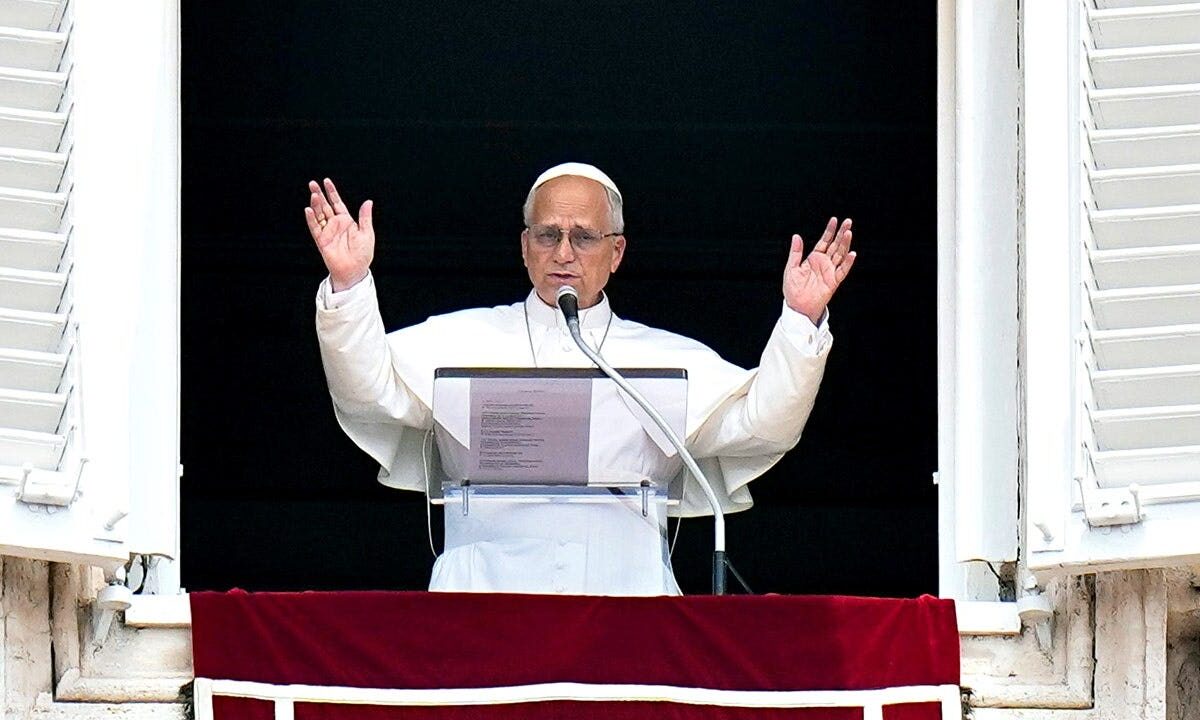
Pope Leo XIV plea to SSPX appears at the center of a fresh Vatican appeal after the pope sent an urgent letter asking the Society of St. Pius X to abandon plans to consecrate new bishops in Econe Switzerland. The pope warned that proceeding without a papal mandate would constitute a grave rupture, calling the act a “sin of extreme gravity” and urging the society’s leadership to reconsider for the sake of the faithful.
Pope Leo XIV plea to SSPX
The pope delivered a direct appeal to Rev. Davide Pagliarani, superior of the Society of St. Pius X, asking him to call off the planned ceremony in Econe Switzerland. “I plead with you and ask you with all my heart: please turn back!” the pope wrote, according to reporting. The letter frames the planned ordinations not merely as disciplinary matters but as actions with deep moral and pastoral implications.
Vatican officials say the central concern is the spiritual welfare of Catholics who turn to the SSPX for sacramental care and the risk that unilateral episcopal ordinations could drive a deeper split from Rome.
What the pope warned and immediate risks
The pope warned that consecrating bishops without papal approval is treated under canon law as a schismatic act. Such acts typically trigger automatic penalties — including the possibility of excommunication for those who perform or receive the ordinations — and lead to clear statements from Rome about the status of those involved.
Beyond canonical penalties, Leo emphasized pastoral risk. He said the move could “deprive [the faithful] of the licit, and in some cases, even valid reception of the sacraments.” That warning underscores practical worries: faithful who rely on SSPX clergy could face uncertainty about the licitness of ministry and the standing of ministers who operate outside full communion with the pope.
SSPX response and their claim of necessity
The Society of St. Pius X has defended plans for consecrations by arguing a “state of necessity” exists to secure episcopal ministry for its communities. Rev. Davide Pagliarani and other SSPX leaders have said in recent statements that they view additional bishops as essential to guarantee pastoral oversight, sacramental ministry and clerical formation within their traditionalist communities.
That position — invoking necessity to justify actions taken without papal mandate — is a long-standing SSPX argument. The society says such measures are taken to assure the faithful of continued access to sacraments according to its liturgical and doctrinal preferences. Vatican commentators and canon lawyers, however, say the claim of necessity is narrowly construed under church law and is subject to careful scrutiny by ecclesial authorities.
How this echoes 1988 and the long split
The case recalls the 1988 crisis when Archbishop Marcel Lefebvre consecrated four bishops without papal approval. Rome responded then with declarations of excommunication. The later thaw in relations culminated in 2009 when the Vatican lifted those excommunications as part of efforts — under Pope Benedict XVI — to reopen dialogue, though the SSPX remained outside the church’s formal structures.
Observers say the 1988 episode left lasting institutional scars and a template for what can happen when unilateral episcopal ordinations take place: quick canonical responses by Rome, prolonged diplomatic and theological negotiations, and long-term pastoral consequences for Catholics attached to the traditionalist group.
What comes next for clergy and the faithful
If the consecrations proceed, the Vatican has several tools it could use, depending on the facts. Those steps could include formal declarations about the canonical status of the new bishops, warnings to the faithful, and application of penalties described in canon law. The Holy See often balances measures intended to uphold ecclesial order with pastoral outreach to avoid further harm to the faithful.
For Catholics connected to SSPX communities, immediate consequences may include confusion over the licitness of sacraments and practical difficulties in accessing ministry recognized by Rome. For priests and bishops considering participation, the risk includes canonical penalties and exclusion from the structures of the Catholic Church.
Vatican officials have signaled a preference for dialogue where possible, but the pope’s letter makes clear Rome views unilateral consecrations as an outcome to be avoided if a negotiated solution remains feasible.
FAQ
What happens under church law if bishops are consecrated without papal approval?
Under canon law, consecrating bishops without the pope’s mandate is ordinarily treated as a schismatic act that can incur automatic penalties, including excommunication for those who perform or receive the ordination. Rome typically issues clarifying statements and may pursue canonical procedures tailored to the facts.
Why does the pope say the consecrations would be a sin of extreme gravity?
The pope’s language points to both moral and pastoral concerns. He stresses that unilateral episcopal ordinations risk breaking communion with the wider church and can harm the faithful by placing sacramental ministry in an ambiguous canonical position.
Has the SSPX faced excommunication before and what changed in 2009?
Yes. Archbishop Marcel Lefebvre’s 1988 consecrations produced excommunications. In 2009 the Vatican lifted those specific penalties as part of a cautious rapprochement, though the SSPX remained structurally separate and full reconciliation has not been achieved.
The Vatican and the SSPX have engaged in intermittent talks for years, and many observers say continued dialogue will shape what comes next. For now, Pope Leo XIV’s urgent plea highlights how seriously Rome views the potential consequences of unilateral episcopal ordinations for church unity and pastoral care.
Source: Fox News; SSPX statement: sspx.org; background on Vatican actions: Vatican News.