By The Nonstop News Staff | June 30, 2026
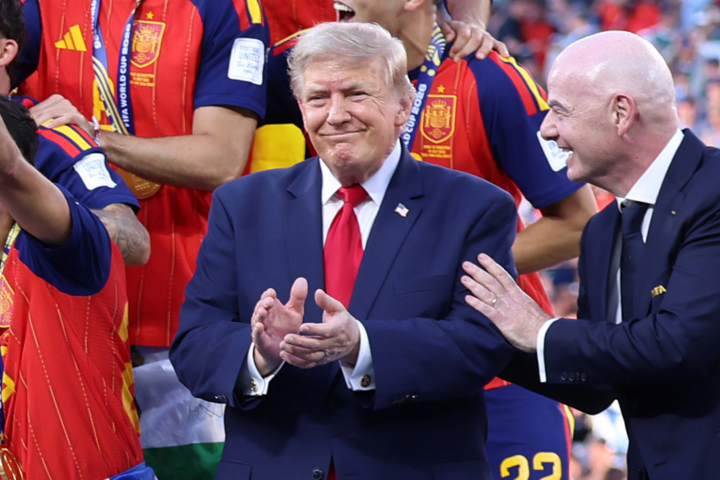
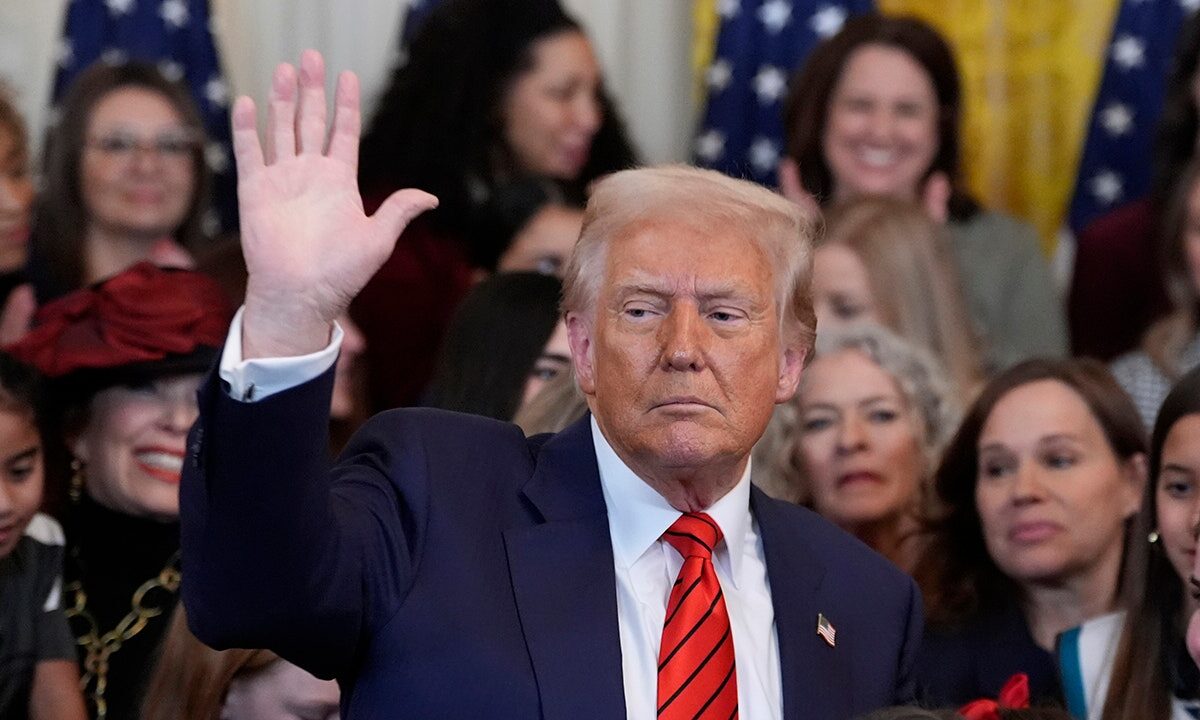
The Supreme Court ruling trans athletes came down Tuesday in a 6-3 decision that gives states authority to set eligibility rules for participation in girls’ and women’s sports. President Donald Trump hailed the decision on Truth Social, calling it a “BIG WIN” (reporting and reaction linked below).
Supreme Court ruling trans athletes: the decision
The court’s majority held, in a 6-3 judgment, that states may draw lines for athletic eligibility consistent with federal law, including Title IX and Equal Protection principles. The majority said states may adopt policies that limit girls’ and women’s teams to participants whose membership aligns with biological sex as recorded at birth, where such rules are authorized by state law.
Separate opinions accompanied the judgment, including dissents and concurrences laying out different views of how federal civil-rights law should apply to school athletics. The court issued a single judgment resolving the case before it; several justices filed separate opinions explaining their positions.
How the ruling changes state control over girls and women’s sports
Practically, the decision increases state and local authority to write and enforce eligibility rules for school teams. Where state law authorizes restrictions based on biological sex, school districts and state athletic associations will have clearer legal cover to implement those rules.
The scope of change will vary by state. Some states already have laws or policies addressing transgender participation in school sports; others leave eligibility to local school districts or athletic associations. Counts of state laws vary by source, and news organizations and legal trackers are updating their tallies in the wake of the ruling.
Districts and colleges will face near-term choices on roster rules, eligibility review processes and administrative procedures. Athletic programs should expect updates to handbooks, eligibility forms and training for administrators and coaches as state legislatures and associations respond.
Who backed each side and key reactions
States and state officials were represented in filings and briefs by groups including Alliance Defending Freedom (ADF), according to court papers and reporting. The transgender athletes and their advocates were represented by the American Civil Liberties Union (ACLU) and private counsel identified in court records.
Responses were sharply divided. President Trump called the ruling a “BIG WIN” (see reporting link below). Supporters said the decision protects competitive fairness and opportunities for biological females; civil-rights and LGBTQ advocates warned it may reduce access to school sports and extracurricular programs for transgender students.
Title IX and legal implications for schools
The majority framed its holding in relation to Title IX and the Equal Protection Clause, but the decision leaves open many implementation questions for schools that receive federal funds. Districts will need to reconcile any new state rules with federal nondiscrimination obligations, existing district policies and guidance from federal agencies.
Because Title IX enforcement is tied to federal education funding, disputes could arise over whether particular state or local policies violate federal nondiscrimination standards. Legal observers expect administrative complaints and new litigation testing where the lines fall between state authority and federal civil-rights obligations.
What comes next for states, schools and litigation
States that already have statutes or administrative rules limiting athletic eligibility are likely to move quickly to implement or enforce those rules. Other states may consider new legislation or rulemaking to clarify eligibility standards for K‑12 and collegiate sports.
The ruling resolves the key question presented in this case but does not preclude further challenges. Advocates for transgender athletes have indicated they will pursue additional litigation and administrative complaints where they believe students have been excluded unlawfully. Expect a mix of state legislation, agency guidance and court battles as parties test the decision’s boundaries.
FAQ
What did the Supreme Court rule about trans athletes?
The court ruled 6-3 that states may decide eligibility rules for girls’ and women’s sports and may adopt requirements tied to biological sex where authorized by state law, with separate opinions setting out differing legal reasoning.
How will this affect school sports and Title IX?
Schools receiving federal funds will need to assess whether state eligibility rules align with federal nondiscrimination requirements. The decision increases state authority over eligibility rules but is likely to prompt further administrative and judicial proceedings over Title IX enforcement.
Which groups represented each side in the case?
Legal filings and reporting identify Alliance Defending Freedom (ADF) among those supporting the states, and the ACLU and private counsel for the transgender athletes.
Source: Fox News — Trump reacts to Supreme Court ruling on trans athletes.