The Supreme Court girls’ sports ruling was issued as a 6-3 decision that permits states to set eligibility for girls’ and women’s teams by biological sex, establishing a precedent that will affect state laws and school policies nationwide.
The decision resolves consolidated cases West Virginia v. B.P.J. and Little v. Hecox. The Court held that, consistent with Title IX and the Equal Protection Clause, states may maintain separate athletic opportunities for biological females. The ruling overturns lower-court uncertainty and gives states clearer authority to enforce laws that define team eligibility by biological sex.
Supreme Court girls’ sports ruling: the legal holding
The majority opinion framed its analysis under Title IX — the federal law that governs sex-based classifications in education — together with the Equal Protection Clause of the Fourteenth Amendment. Justices in the majority said states may adopt eligibility rules that preserve separate competition for biological females to protect fairness in certain athletic contexts.
Those decisions grew from challenges to state statutes, including West Virginia’s Save Women’s Sports Act and Idaho’s Fairness in Women’s Sports Act. Lower courts had issued conflicting rulings, prompting the Supreme Court to resolve whether such statutes unlawfully discriminate against transgender students under federal law.
The opinion emphasized statutory and constitutional interpretation rather than creating a new federal rule for all sports. The Court signaled that states have room to define eligibility under their education and athletic oversight, while leaving some implementation questions to lower courts and administrators.
What supporters and opponents said
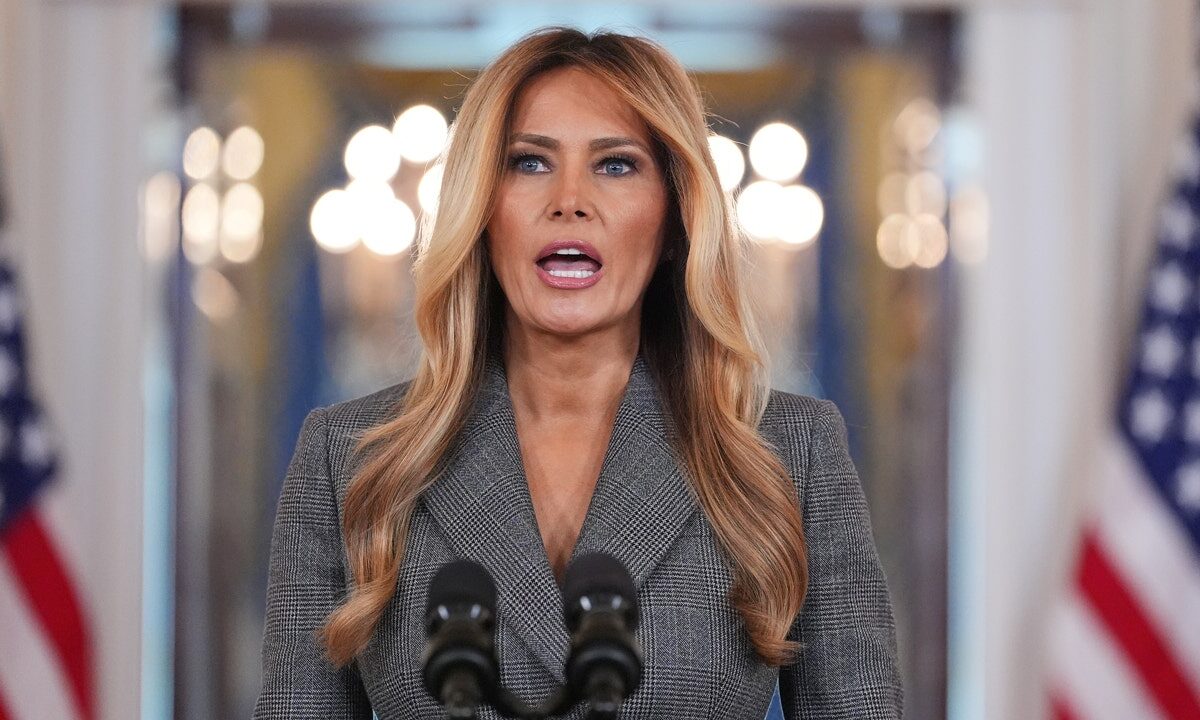
Reactions were swift and stark. First Lady Melania Trump posted on X and cited a passage from her memoir, saying the ruling “legally confirmed this opinion” and asserting that the decision can align support for LGBTQIA+ rights with protections for female athletes. Her post referenced page 156 of Melania and framed the ruling as consistent with her prior statements.
State officials praised the ruling. West Virginia Attorney General John McCuskey called it “a monumental victory for every female athlete” aiming for fair competition. Idaho Attorney General Raul Labrador said the decision confirmed states’ authority to protect competitive fairness and opportunities for women and girls.
Justices Sonia Sotomayor, Elena Kagan and Ketanji Brown Jackson registered a dissent in part. The dissent warned the ruling could harm transgender students and expressed disagreement with the majority’s legal approach, noting concerns about how the decision will affect individual rights in schools and other settings.
Advocacy groups on both sides said they would continue their work. Supporters of the ruling described it as reinforcing fairness and safety in women’s athletics. Opponents called for protections and programs to support transgender students whose access and well-being could be affected by enforcement choices.
Which state laws are affected
The decision validates statutes in roughly 27 states that adopt Save Women’s Sports or Fairness in Women’s Sports measures, according to reporting tied to the cases. Those laws typically restrict participation on girls’ teams to individuals designated female at birth or defined as biological females under the statute’s terms.
With the Supreme Court’s guidance, states that had paused enforcement or faced litigation now have clearer legal footing to apply existing rules. That does not erase all legal uncertainty: implementation may vary, administrative rules differ, and specific disputes about individual athletes could return to lower courts under the new precedent.
What comes next for athletes and courts
Courtrooms, state legislatures and school boards are likely to see prompt activity. The ruling sets a binding precedent for lower courts to consider, but parties may still bring targeted challenges about how state laws are carried out or about narrow exceptions and procedural details.
School districts and athletic associations will review eligibility policies, registration forms and enforcement procedures. Many districts are expected to update handbooks, guidance and training for coaches and administrators to ensure policies comply with state law and the Court’s directive.
Advocates for athletes said they will pursue legislative and administrative strategies in states where they see harm or gaps in protections. Supporters of the laws indicated they would press for consistent application to protect competitive balance in girls’ sports.
The ruling is likely to shape policy debates for years. While it clarifies that states may adopt sex-based eligibility rules in many contexts, the practical effects will depend on how laws are written, how sports governing bodies respond, and how lower courts handle subsequent implementation disputes.
Background and next steps
These consolidated appeals reflect a broader national debate over balancing inclusion, fairness and safety in youth and interscholastic athletics. The Supreme Court’s decision creates a clearer rule favoring state authority to define eligibility by biological sex, but it leaves room for further litigation and administrative action on implementation.
Source attribution: Reporting on this ruling is available from news outlets and the Supreme Court. For the Court’s published opinions and official materials, see the Supreme Court’s opinions page: supremecourt.gov/opinions. For related coverage, see Fox News: First lady cites memoir after Supreme Court upholds state laws reserving girls’ sports for biological females.