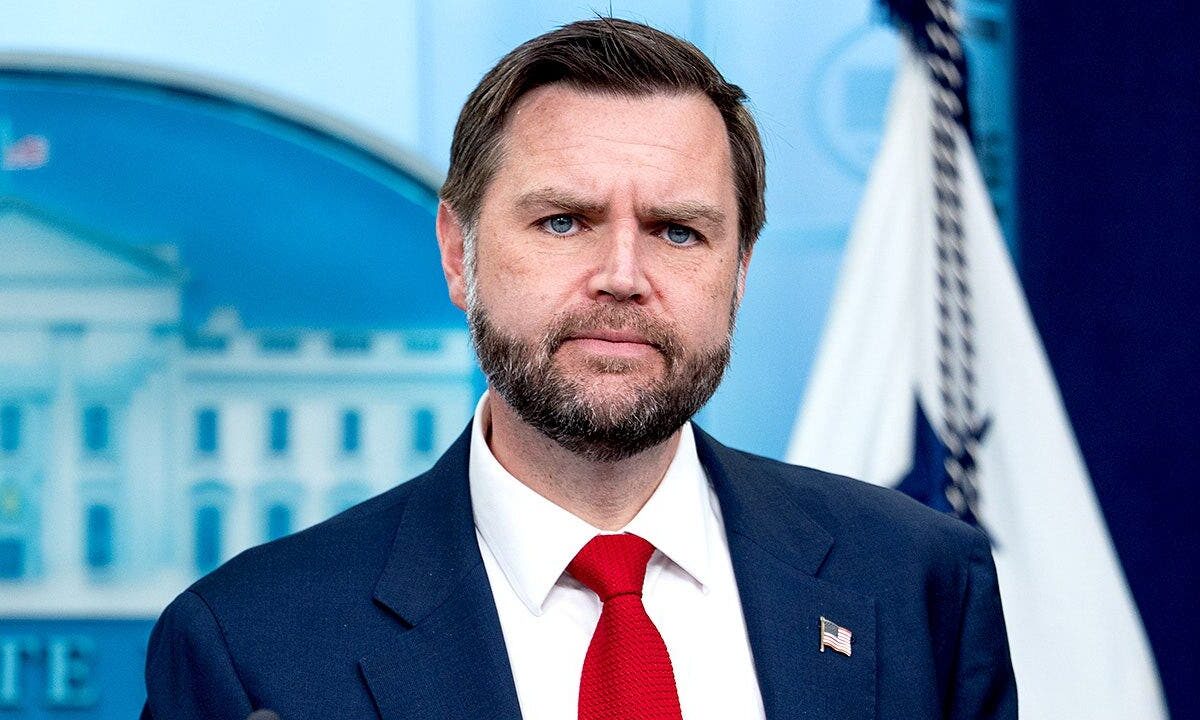
Vice President JD Vance criticized the Supreme Court’s decision preserving birthright citizenship as a “major, major mistake” during an interview on The Ingraham Angle, saying the ruling could encourage travel to the U.S. to give birth. He urged the administration to pursue a mix of administrative and legislative policy options to address what he characterized as loopholes in the immigration system.
What the court ruling means for birthright citizenship
The Court struck down President Trump’s Executive Order 14160 as inconsistent with the 14th Amendment, reaffirming that most children born on U.S. soil retain automatic citizenship at birth. Legally, the decision rests on the text of the 14th Amendment and longstanding judicial interpretations that confer citizenship to persons born in the United States subject to the jurisdiction of the United States.
Practically, the ruling prevents the executive branch from unilaterally redefining who qualifies for citizenship at birth through an executive order. It narrows the administration’s immediate options for changing the rule of automatic citizenship without congressional action or a constitutional amendment, though officials may still explore regulatory or enforcement measures that can be implemented administratively.
Vance’s reaction on The Ingraham Angle
On Fox News’ The Ingraham Angle, Vance called the decision “atrocious,” adding: “This is a very disappointing ruling from the Supreme Court. Of course, we respect it, but we also think that it was a major, major mistake.” He warned the ruling could incentivize travel to the United States with the goal of securing citizenship benefits for newborns.
Vance described birthright citizenship as “fundamentally a loophole” and said it could “reward” people who enter the country illegally simply because they have a baby on U.S. soil. Those statements were made on the program and are reported from the interview; the suggestion that such incentives will materialize is a prediction by Vance rather than an established fact (see risk note below).
Why officials fear birth tourism and island schemes
Senior administration officials have raised concerns about so-called birth tourism and the prospect of pregnant foreign nationals traveling specifically to U.S. territory to secure citizenship for their children. Officials reportedly singled out the Northern Mariana Islands — a U.S. commonwealth in the western Pacific — as a location of attention because of travel patterns and visa arrangements there. Coverage cited officials’ concerns about groups from countries such as China arranging travel to territories or remote destinations for that purpose; those concerns are reported as officials’ statements and remain unverified.
Policy options the administration may consider
Vance and other officials outlined a range of policy options the administration could pursue that do not directly change the constitutional rule. Administrative measures could include enhanced visa screening for short-term visitors, new guidance for consular officers on pregnant visitors, stepped-up enforcement against facilitators of birth tourism networks, and closer cooperation with territorial authorities to detect abusive patterns of travel.
Officials may also consider targeted travel restrictions or regulatory changes to the visa process; however, such steps could prompt legal challenges and diplomatic friction. Legislative options — including statutes that would alter immigration rules or clarify interpretations of jurisdiction for children born in certain territories — would require Congress and face steep constitutional and political hurdles.
Vance called for broader immigration reform as part of any long-term response, arguing that administrative fixes alone are insufficient. Whether that leads to specific bills or executive actions will shape the next round of political debate and possible court battles.
What comes next and political implications
In the near term, expect the administration to evaluate administrative levers that could be implemented without new legislation while legal scholars and civil-rights groups analyze the opinion for openings that could spur further litigation. Lawmakers opposed to the ruling are likely to introduce measures aimed at tightening immigration controls or targeting travel patterns thought to facilitate birth tourism.
Politically, the ruling elevates immigration as a focus for critics and supporters alike. Supporters of the Court’s interpretation will point to constitutional text and precedent; critics will press for enforcement and legislative remedies. Any regulatory moves by the executive could prompt new court challenges, keeping the issue contested in the courts and on the campaign trail.
Background
The debate centers on the 14th Amendment’s Citizenship Clause and whether the executive branch can redefine who is “subject to the jurisdiction” of the United States for purposes of birthright citizenship. Executive Order 14160 attempted to limit automatic citizenship via administrative means, but the Supreme Court found that move inconsistent with the Amendment’s text and established interpretation.
Source: Fox News
Risk note: Statements predicting increases in birth tourism or describing birthright citizenship as a policy “loophole” are claims made by Vice President Vance and some senior officials in the source coverage. Those forecasts and characterizations are speculative and not independently verified in the reporting.