
The Court of Appeal was told that three teenage boys convicted of rape should have received custodial sentences, as counsel for the Crown argued the original rape sentencing was legally flawed and the judge was “wrong” to spare custody. BBC News reports on the hearing and the competing legal submissions presented to the appellate panel.
What the Court heard
At the hearing the Court of Appeal was given a concise account of the trial outcome, the convictions and the sentence originally imposed. The BBC report states all three defendants were convicted of rape and that the Crown now contends the sentence imposed was inadequate.
Prosecution counsel submitted that the sentencing judge misapplied relevant principles, producing a sentence that did not sufficiently mark the gravity of the offences or address public protection. Defence counsel emphasised the defendants’ ages, background material and mitigation, arguing the trial judge had been entitled to take a different view when balancing those factors. Those points were advanced to the appellate judges as submissions; they await the court’s determination.
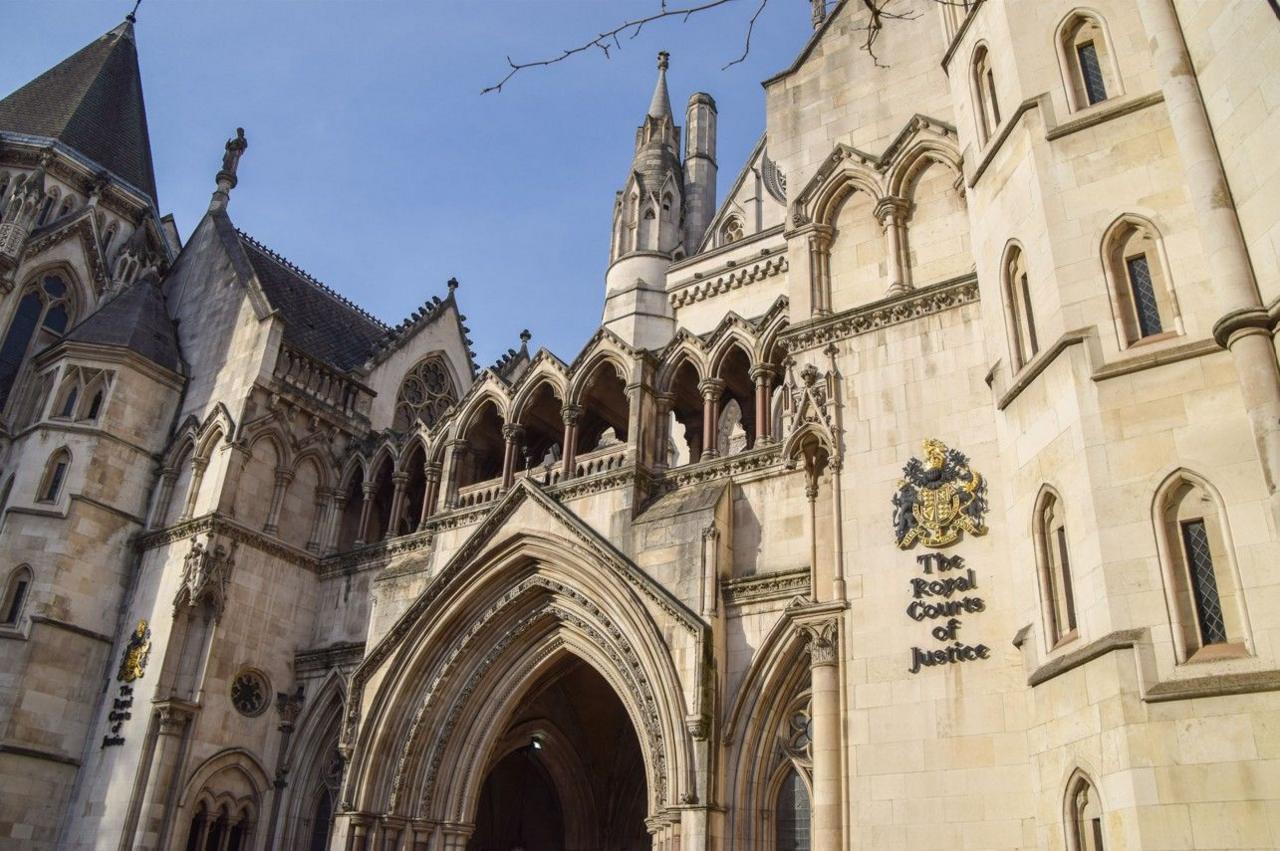
Why the rape sentencing is being challenged
The central ground of the appeal is that the sentencing judge was “wrong” in law when deciding the appropriate penalty after conviction. The Crown said the sentence failed to satisfy requirements of consistency and proportionality under the sentencing framework and did not adequately reflect public protection concerns.
Written and oral submissions compared the sentencing decision to relevant guidance and case law. Counsel for the Crown argued the extent of harm and culpability required a sterner response, while defence representatives cautioned against imposing custody on teenagers where alternative interventions might better support rehabilitation. The appellate court must assess whether the trial judge applied legal principles correctly; until the court decides, these remain contested legal submissions rather than established findings.
What the Court can do next
The Court of Appeal has a limited set of powers on sentencing appeal. If it concludes there was no error of law or principle, it can dismiss the appeal and leave the original sentence intact. If the court finds the original sentence was legally unsafe or insufficient, it may quash it and either substitute a different sentence or remit the matter to the lower court for re‑sentencing.
Where an appellate court considers custody was required, it can direct that a custodial sentence be imposed, subject to statutory and procedural safeguards. The court may give an immediate oral judgement at the hearing or reserve its decision for a later, written judgment. The timing for a reserved judgment varies; it can be a matter of weeks or longer depending on case complexity and the court’s workload. Any decision will set out the court’s reasoning and the legal basis for upholding or altering the sentence.
Legal and public safety context
This appeal highlights the tension courts face when sentencing young offenders: judges must weigh rehabilitation and the offender’s maturity against the need to mark serious wrongdoing and protect the public. Sentencing guidelines instruct courts to consider factors such as culpability, harm, and whether the offender’s age and maturity reduce moral blameworthiness.
In cases involving teenage boys convicted of grave sexual offences, prosecutors often press for custodial sentences to reflect the harm and to protect the public, while defence teams point to the corrosive effects of custody on rehabilitation prospects and note available community‑based interventions. The Court of Appeal’s role is to ensure sentencers apply legal principles correctly and consistently across similar cases; where they do not, the court can correct errors to maintain confidence in sentencing practice.
Background: sentencing for teenage offenders
Sentencing young people follows the same statutory framework as for adults but requires particular attention to the offender’s maturity, prospects for rehabilitation and the desirability of avoiding custody when appropriate. Guidance directs judges to consider whether lesser, structured interventions may better reduce reoffending and support reintegration. That context underpins many arguments in appeals where custodial and non‑custodial outcomes are contested.
What happens next in this case
The appellate court will now consider the written materials and oral submissions before delivering its decision. The judgment will either be handed down at the hearing or reserved for a written ruling which will explain the legal basis for the court’s conclusion. Observers should look for the court’s reasoning on how sentencing principles were applied below and any direction given for future cases involving teenage offenders.
If the appeal is allowed and the sentence is quashed, the court will either impose a new sentence within its powers or remit the case to the sentencing court for re‑sentencing. Any change that increases a sentence must respect legal limits, procedural fairness and the statutory framework governing appeals.
FAQ
What did the Court of Appeal hear about the sentence?
The court heard submissions that the original sentencing judge was “wrong” to spare the three convicted teenagers custody and that the outcome failed to reflect the seriousness of the offences. Those were advanced as legal arguments for the appellate judges to decide.
Can the Court of Appeal increase a sentence on appeal?
Yes. If the court finds the original sentence was legally flawed or insufficient, it can substitute a different sentence or remit the case for re‑sentencing, subject to legal safeguards and procedural rules.
Why are the submissions about the judge described as allegations?
Claims that a judge was “wrong” are submissions by a party to the appeal. They are arguments about how the law should have been applied and remain submissions until the appellate court evaluates them and issues a ruling.
Source: BBC News – Top Stories. The BBC report is the primary source for this coverage and will carry further updates when the court publishes its judgment.