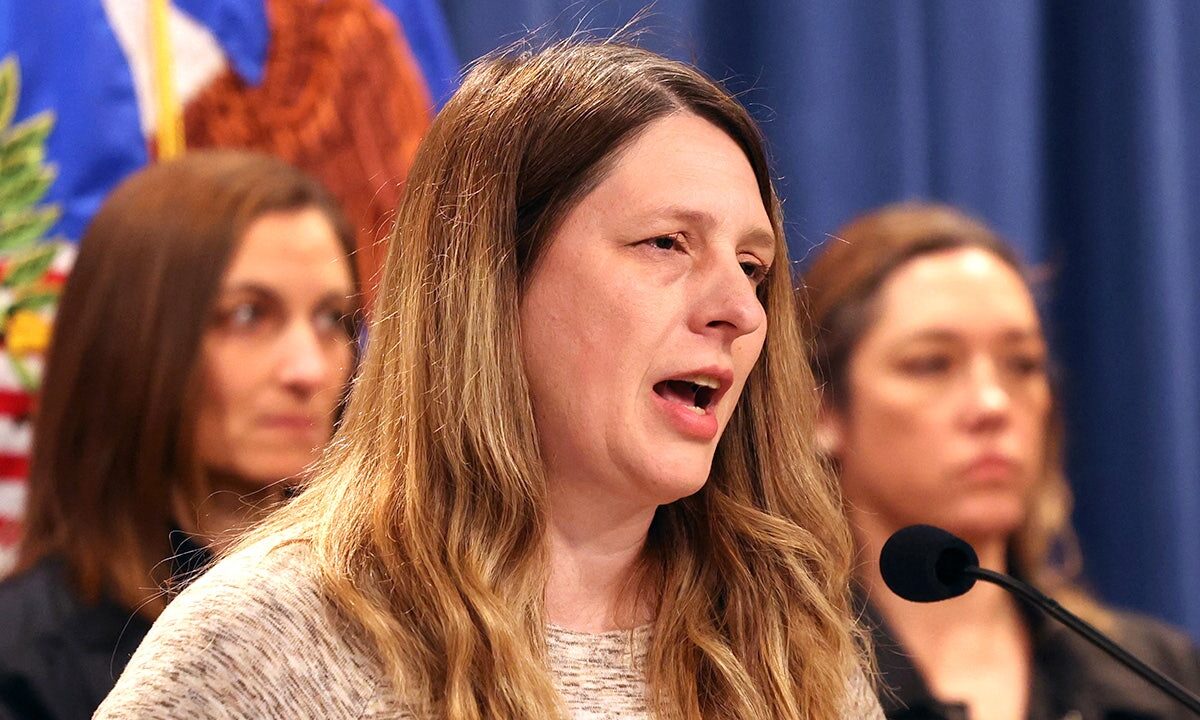
Grieving parents told a House Judiciary subcommittee on Tuesday that they will continue confronting Congress about sanctuary city policies until lawmakers change how local officials handle people in the country illegally. “If you guys don’t do anything, it will continue to happen, and we will continue having those meetings, and we’ll not be quiet and shut up about our children that were killed by illegal immigrants,” Tammy Nobles said during her testimony. “We’re not gonna stop, and you’re gonna listen to us every single time if you want to or not.”
Nobles, who has repeatedly appeared before Congress to press for changes, and other family members urged the panel to consider how local rules that limit cooperation with federal immigration authorities may affect public safety. Their testimony set the tone for an emotional hearing on sanctuary city policies before the House Judiciary subcommittee.
Quick summary — sanctuary city policies
The House Judiciary subcommittee heard testimony from family members of victims who tied their tragedies to sanctuary city policies and gaps in immigration enforcement. Jessica Gorman testified about the death of her daughter, Sheridan Gorman, and Nobles described the 2022 killing of her daughter, Kayla Hamilton.
Families asked Congress to reconsider local rules that limit coordination with federal immigration authorities and urged lawmakers to “choose” victims in policy debates. The hearing focused on whether local policies hinder information-sharing with federal agencies and whether Congress should pursue oversight or legislative changes.
What families told the House Judiciary subcommittee
Jessica Gorman delivered emotional testimony to the subcommittee about Sheridan Gorman, an 18-year-old Loyola University Chicago freshman who, according to reporting cited at the hearing, was allegedly shot and killed after going to the Chicago lakefront with friends earlier this year. Gorman told the panel, “I’m just asking you to choose us. We choose you.”
Tammy Nobles recounted her advocacy since the 2022 death of her daughter, Kayla Hamilton, whom reporting says was raped and strangled. Nobles described her frustration with what she and other advocates view as gaps in local-federal cooperation and repeated that she will continue pressing Congress for policy changes she believes would prevent similar tragedies.
Families’ claims and limits of the reporting
The family members at the hearing linked the crimes they described to sanctuary city policies, arguing such policies can reduce local law enforcement’s information-sharing with federal immigration officials and allow people in the country illegally to remain at large. Those assertions were central to the families’ appeals to the committee.
Reporters and the hearing record note that some details — including the identities and immigration status of people accused in the cases cited — are presented in publicly available reporting as allegations. The causal link between sanctuary city policies and the individual crimes is the families’ position and was not independently verified for this article.
Lawmakers’ response and next steps
Members of the House Judiciary subcommittee offered condolences and pushed competing policy views. Some Republican members used the testimony to call for stricter immigration enforcement and greater federal oversight of jurisdictions that limit cooperation with federal authorities. Some Democrats expressed sympathy for the families and cautioned against broad policy changes without further study of the evidence.
The hearing itself does not change law. But it may prompt additional oversight by the House Judiciary subcommittee and could lead to legislative proposals from members seeking to alter how local governments coordinate with federal immigration agencies. Nobles and other advocates said they will continue to appear before lawmakers to press their case.
Background: the national debate over sanctuary city policies
Sanctuary city policies generally refer to local rules that limit cooperation with federal immigration enforcement, such as restricting police from inquiring about immigration status or from holding people for federal authorities absent a warrant. Supporters argue such policies help build trust between immigrant communities and local law enforcement, encouraging cooperation with police. Opponents contend they can impede public safety and federal immigration efforts.
The issue is part of a broader national debate over illegal immigration and the balance of authority between federal and local governments. Congressional hearings like this one are used by lawmakers to examine whether local policies hamper enforcement and to consider proposals aimed at changing funding, oversight or statutory requirements for cooperation with federal immigration agencies. For a general overview of sanctuary jurisdictions, see an explanatory summary at Wikipedia: Sanctuary city.
What are sanctuary city policies? They are local practices or laws that limit the extent to which local officials will assist federal immigration enforcement. Policies vary by jurisdiction and can include restrictions on honoring federal immigration detainers, asking about immigration status, or sharing certain information with federal authorities.
What comes next
Expect more hearings, oversight activity and political debate as members of Congress weigh whether to pursue legislation that would affect local-federal cooperation on immigration. Advocacy groups on both sides of the issue are likely to use the hearing testimony to support their positions going into future committee work and potential floor debates.
Family advocates like Nobles indicated they will continue to press lawmakers directly and publicly. Lawmakers sympathetic to their message may propose bills to increase reporting requirements, condition federal funding, or otherwise change how jurisdictions interact with federal immigration authorities.
FAQ
What did Tammy Nobles say at the hearing?
Nobles told lawmakers she will continue advocating for families of victims and warned that if lawmakers do not act on sanctuary city policies and immigration enforcement, families will keep confronting Congress. She cited her daughter’s 2022 death and said, “We’re not gonna stop,” adding that families will keep raising their cases.
Who were the victims cited in testimony?
Witnesses cited Sheridan Gorman, an 18-year-old Loyola University Chicago freshman who was alleged to have been shot and killed this year, and Kayla Hamilton, whom reporting says was raped and strangled in 2022. Those accounts and some identifying details are presented as allegations in the reporting referenced at the hearing.
Do these reports prove sanctuary city policies caused the crimes?
No. Families and advocates argued the policies contributed to the circumstances around the crimes, but those causal claims are presented by the families and were not independently verified in the reporting cited at the hearing.
Source: Fox News — Angel mom warns Democrats ‘we’re not going to stop’ after emotional House hearing on sanctuary policies. Reporters Elizabeth Heckman and Alec Schemmel contributed to the original report.