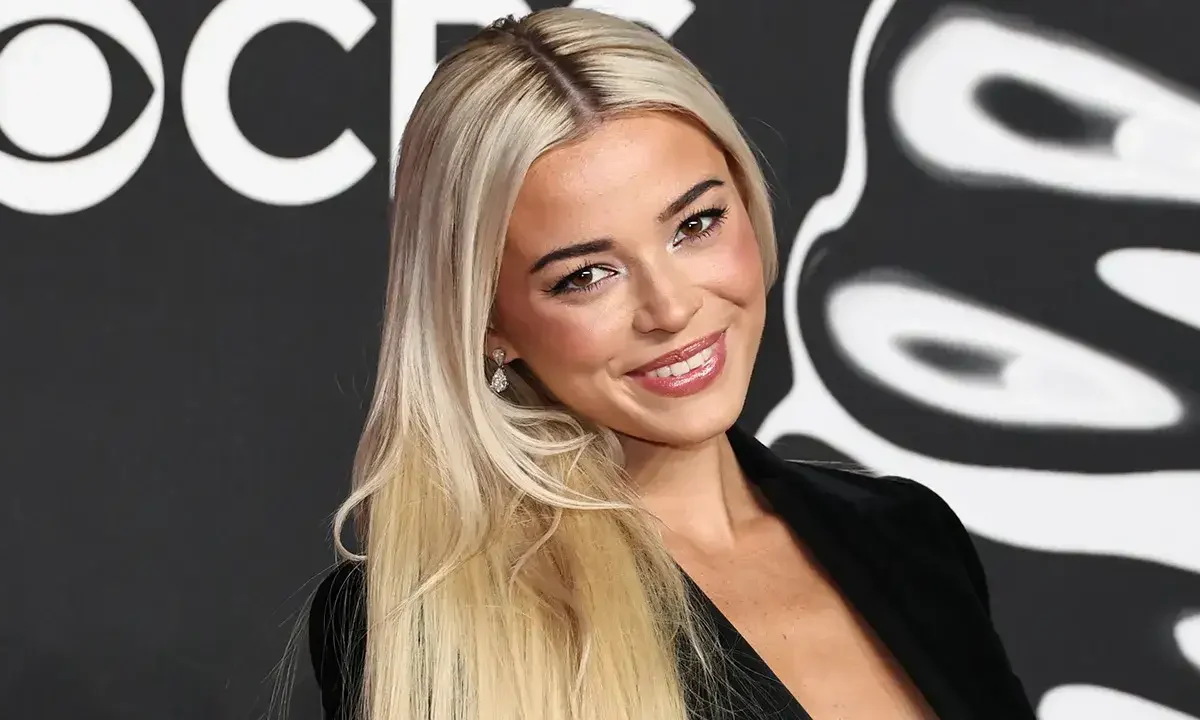
Olivia Dunne wrote, “Last night, I didn’t feel safe at the airport,” saying fans reportedly waited outside her gate and, she alleges, tried to follow her into the women’s bathroom. Her post quickly reignited debate over in-person harassment and online toxicity tied to the recent WNBA controversy.
Dunne’s account and her direct question — “Should women have to change their behavior because men can’t handle the word ‘no?’” — are central to how players and the league framed concerns about fan conduct this week. The post also prompted swift responses from players, coaches and league leaders that linked in-person incidents to broader patterns of online abuse.
What Olivia Dunne says
According to Dunne’s message, she returned from a family trip and arrived to find fans waiting at her gate holding large signs. Dunne says some individuals allegedly attempted to follow her into the women’s bathroom. She credited her sister with stopping those people from entering and said that, but for that intervention, she didn’t know what she would have done.
Those details are presented here as allegations reported in the coverage; they have not been independently verified by law enforcement or other authorities. Dunne’s account has circulated widely on social platforms and was highlighted in OutKick’s Nightcaps summary, which helped amplify the post.
WNBA and player responses
League officials and players responded quickly. WNBA commissioner Cathy Engelbert issued a message saying, “The WNBA vehemently condemns any and all forms of hate.” Indiana Fever head coach Stephanie White publicly referenced increased online toxicity in recent weeks and called such behavior “absolutely unacceptable.” Alyssa Thomas also spoke out in reporting, saying there have been death threats and that those threats are unacceptable.
Those reactions tied Dunne’s airport account to a larger conversation inside the league about how online harassment can spill into real-world risk for players and notable figures. Coverage noted the emotional toll on players and staff and framed the incident as part of a wave of concerning behavior prompting league attention.
Alyssa Thomas reacts to online threats and toxicity. Indiana Fever coach Stephanie White addresses league behavior concerns.
Viral fan “Freddy” and social fallout
Reporting on the episode also tracked a viral fan account known as Freddy. According to the coverage, Freddy deleted his Twitter account and posted on Instagram that he would stop updating Twitter because it had become “too toxic.” The Instagram note said, in part, “Don’t worry guys, we’re still gonna enjoy our time here and obviously celebrate Fourth of July… Just not gonna update on Twitter anymore because it’s just too toxic over there.”
That retreat was portrayed in some reporting as part of a broader pattern: fans who become widely visible online later scaling back amid harassment and polarized responses. The social-media dimension adds context to Dunne’s in-person safety concerns and demonstrates how online dynamics can encourage or amplify risky behavior around public figures.
Context: fan behavior, merchandise and media notes
Media coverage also touched on the commercial side of viral fandom. A rapid market check cited in reporting found listings for signed Olivia Dunne posters on eBay with asking prices reported roughly between $100 and $500; those numbers were presented as immediate listings observed at the time and are not confirmed as long-term market values.
The story was included in OutKick Nightcaps, a daily roundup that aggregated Dunne’s message alongside other sports-culture items. That placement helped accelerate circulation beyond the initial post and brought the airport account to a wider audience, illustrating how roundups and newsletters can boost a single social post into a larger news cycle.
What comes next and safety notes
Officials could take a range of administrative steps in response to incidents of harassment, such as formal reminders to teams and venues about safety protocols, coordination with airports and venue security, and internal reviews of how player safety concerns are tracked and addressed. As of the sourced reporting, there were no public reports of arrests, charges, or league discipline tied directly to the airport encounter.
Readers should note that key elements of Dunne’s account—specifically, that individuals tried to follow her into a bathroom and that followers issued threats online—are presented as allegations reported by Dunne and by league figures. Those allegations have not been independently verified in the reporting cited here.
Practical safety reminders often cited for public figures and ordinary travelers include traveling with companions where possible, alerting airport or airline security to concerning behavior, keeping a phone handy to call for help, and reporting incidents to local law enforcement if a credible threat occurs. These measures do not replace formal guidance from employers, teams, or law enforcement agencies.
Source and next steps
This article summarizes reporting and direct statements included in the linked coverage. It follows the accounts and quotes as reported; unverified claims are labeled here as allegations. Additional confirmation or detail may emerge if law enforcement, teams or league offices provide further information.
Source: Fox News / OutKick Nightcaps. The allegations described in this article are based on Dunne’s and others’ accounts and have not been independently verified by this outlet.
FAQ
Were any fans arrested or charged?
There are no public reports in the sourced coverage of arrests or charges related to Dunne’s airport account. Any alleged actions are described here as allegations and not independently verified.
What did the WNBA say about the incident?
Players and officials criticized online toxicity and threats. Commissioner Cathy Engelbert said the league “vehemently condemns any and all forms of hate.” Coaches and players called the behavior unacceptable.
How can public figures protect themselves at airports?
Common-sense measures include traveling with companions, notifying airport or airline security of suspicious behavior, varying routines, and involving law enforcement when a credible threat exists. Those are practical steps and not a substitute for formal security protocols.
Actionable updates may follow if officials, teams or law enforcement provide confirmation or additional details. This article will avoid amplifying unverified claims until they are corroborated by authoritative sources.