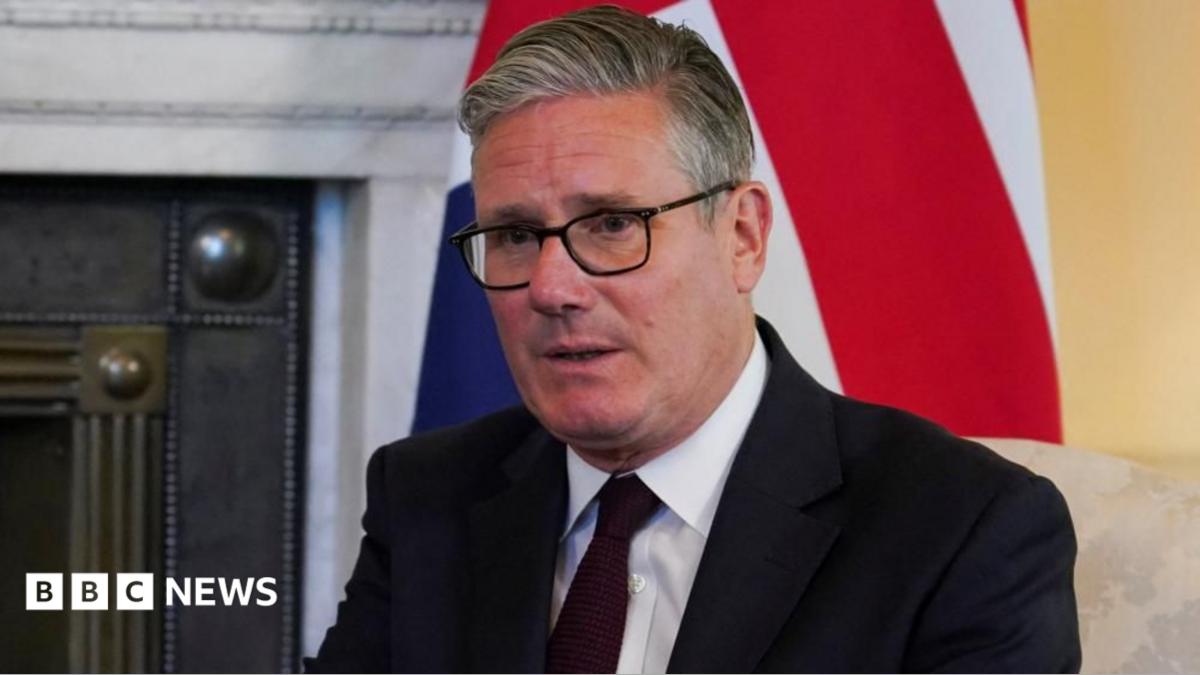
Labour leader Keir Starmer will formally apologise to victims of forced adoptions, acknowledging that thousands of babies were taken from their mothers in the postwar decades. The apology is framed as an official recognition of harms long described by survivors and campaign groups.
What Starmer has said
Starmer has committed to offer a formal apology to people affected by forced adoptions. Officials said the apology is intended to recognise the shock, sorrow and injustice experienced by mothers and children separated in the period identified by investigators.
The announcement follows years of campaigning by survivors, families and advocacy organisations urging governments to accept responsibility for institutional and systemic failings in maternity and adoption services. Those calls have emphasised the need for more than words: access to records, practical support and meaningful redress.
Historic scale of forced adoptions
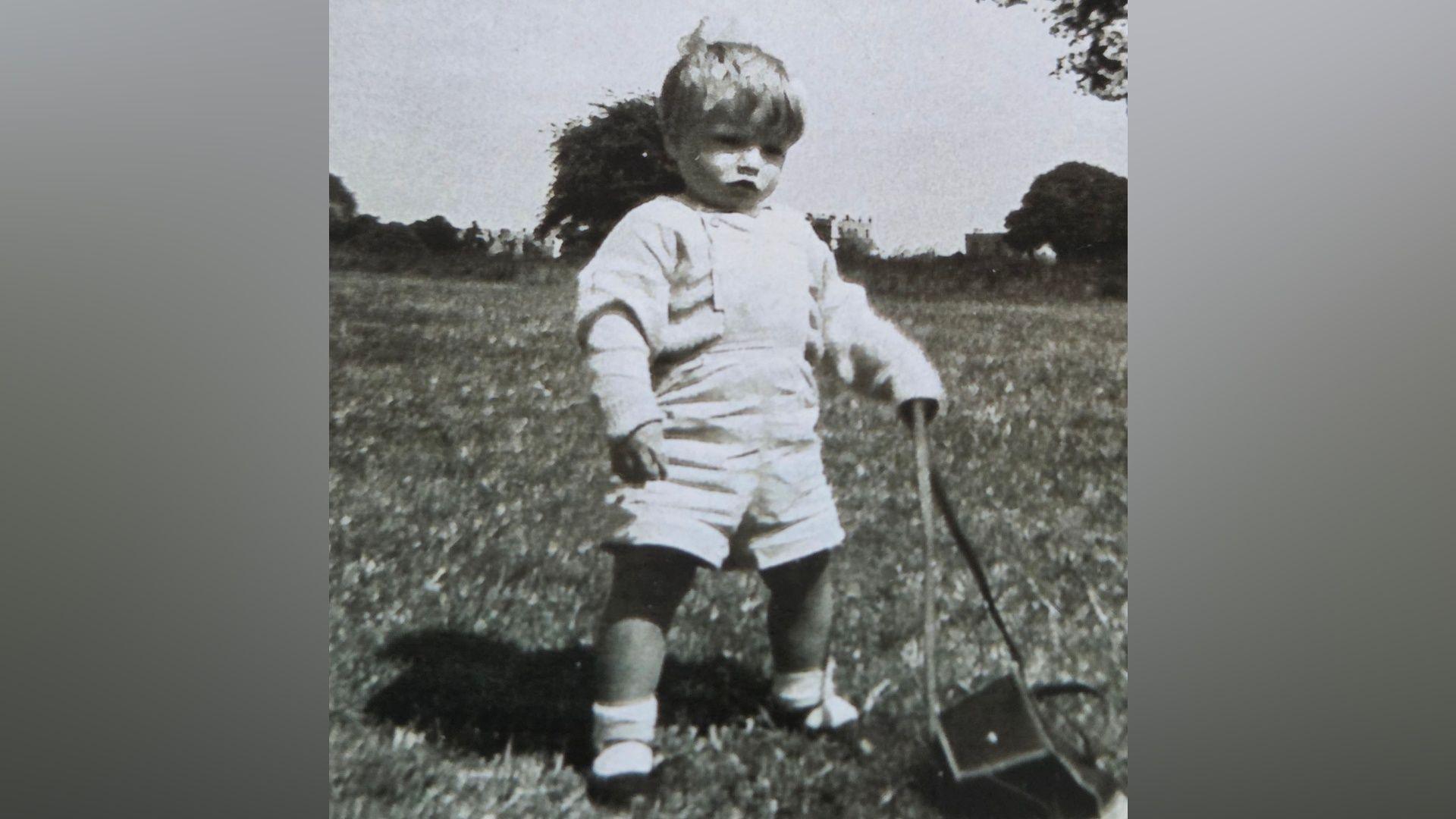
Reporting and inquiries identify the key period of concern as between 1949 and 1976. Investigations and contemporary coverage say that thousands of babies were taken from their mothers during that time, as adoption processes and hospital practices often left mothers with limited choices or support.
Campaign groups and some specialists describe a pattern across multiple institutions and localities in which social pressure, stigma and institutional procedures combined to separate infants from their birth parents. The scale cited in reporting is intended to capture the national extent described by survivors and investigators.
Who was affected and survivor impact
Those affected include mothers who say they were coerced or pressured into relinquishing infants, and adults who were adopted and have since sought information about their origins. Survivors report long-term emotional and practical consequences, including ongoing questions about identity and family history.
Advocacy groups say experiences vary but commonly include trauma, persistent grief and a sense of institutional betrayal. Many survivors have campaigned for decades to ensure their experiences are publicly acknowledged and properly addressed.
Official response and next steps
Officials have signalled the apology will be followed by further action, though specific measures and timetables are to be set out by ministers. Government sources say details will be published in the weeks ahead, and that the apology is the first step in a broader response.
Survivors and campaign groups have called for a package of measures in addition to an apology. These priorities commonly include straightforward access to adoption and hospital records, specialist counselling and mental health support, and mechanisms for financial redress where harm can be demonstrated.
What comes next
After the apology, ministers are expected to outline a formal process for next steps. Reporting indicates the likely components will include: a clear route for people to access records; funded support services including counselling; and an assessment of eligibility for compensation schemes.
Officials will need to set timescales for each element and explain how privacy and data-protection concerns will be handled. Any redress scheme will also need criteria for demonstrating harm and a route for independent review or appeal, according to legal and advocacy experts discussing the matter publicly.
Support and redress being sought
Campaign organisations representing survivors have repeatedly emphasised the importance of an accessible system. They want straightforward, no-cost access to relevant files so people can understand their histories and make informed decisions about any further action.
Groups also highlight the need for specialist therapeutic services tailored to the particular experiences of those separated from birth. Financial redress is a central demand for many, but campaigners say compensation must be combined with timely practical support and clear information pathways.
Context and survivor perspective
The issue of forced adoptions touches on deeply personal stories and wider questions about social attitudes and institutional practices in the mid-20th century. For many survivors, a formal apology is a long-awaited public acknowledgement that their experiences were wrong and merit a serious, practical response.
At the same time, campaigners warn that words alone will not be sufficient. They say the government must deliver clear, resourced steps so affected people can obtain records, access counselling and seek redress without undue delay.
Key takeaways
- Starmer will formally apologise for forced adoptions spanning 1949–1976.
- Reporting and campaigners say thousands of babies were taken during that period.
- Survivors seek access to records, specialist support and consideration of financial redress; government will set out next steps.
Source and attribution
Source: BBC News – Top Stories, published 2026-07-02T07:22:56.000Z. Original reporting available at: https://www.bbc.co.uk/news/articles/c20yq332018o?at_medium=RSS&at_campaign=rss