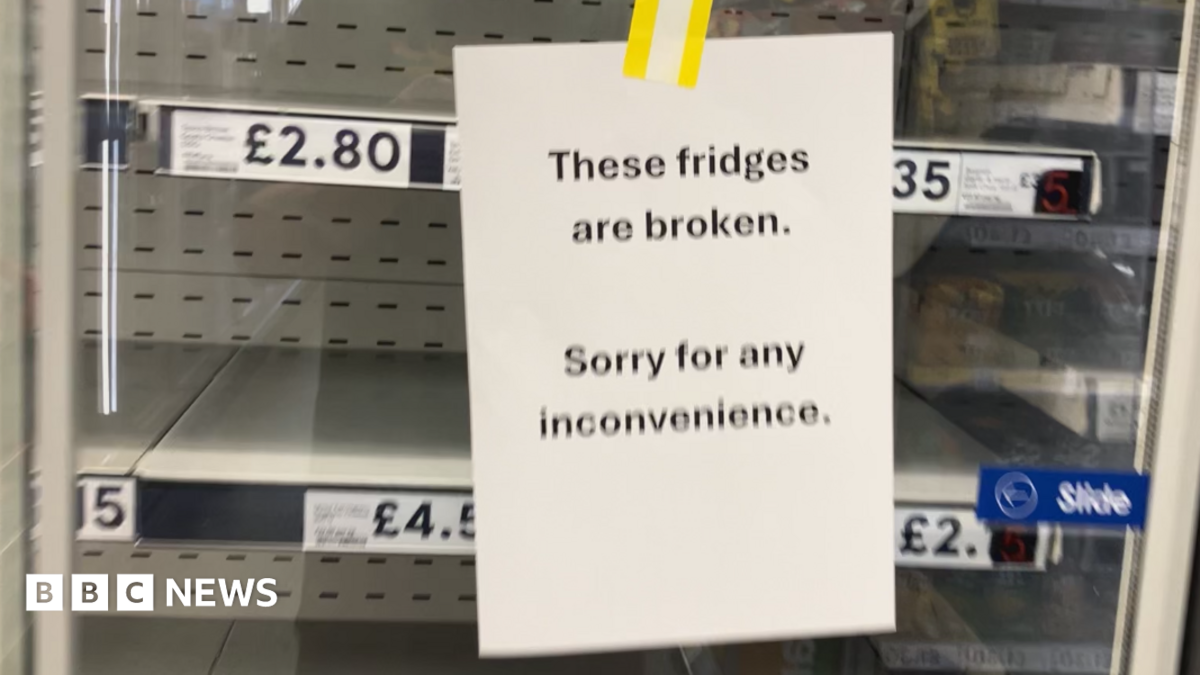
BBC reporting has flagged that old British fridges “cannot cope with the heat”, with experts warning rising temperatures are putting ageing appliances under extra pressure. Homeowners with older fridges should be alert to clear signs of strain and take simple steps to protect food and reduce the chance of a breakdown.
This article summarises the BBC claim, explains how heat affects refrigerators, lists quick checks you can do today, and offers a short decision guide on whether to repair or replace an older unit. The original BBC report attributes the concern to experts but does not supply detailed failure rates or model-specific data.
Old British fridges: quick summary
The BBC News – Business item reports that experts say older fridges are failing in hot weather and “cannot cope with the heat”. Rising temperatures are the common factor named as increasing stress on aging refrigeration systems.
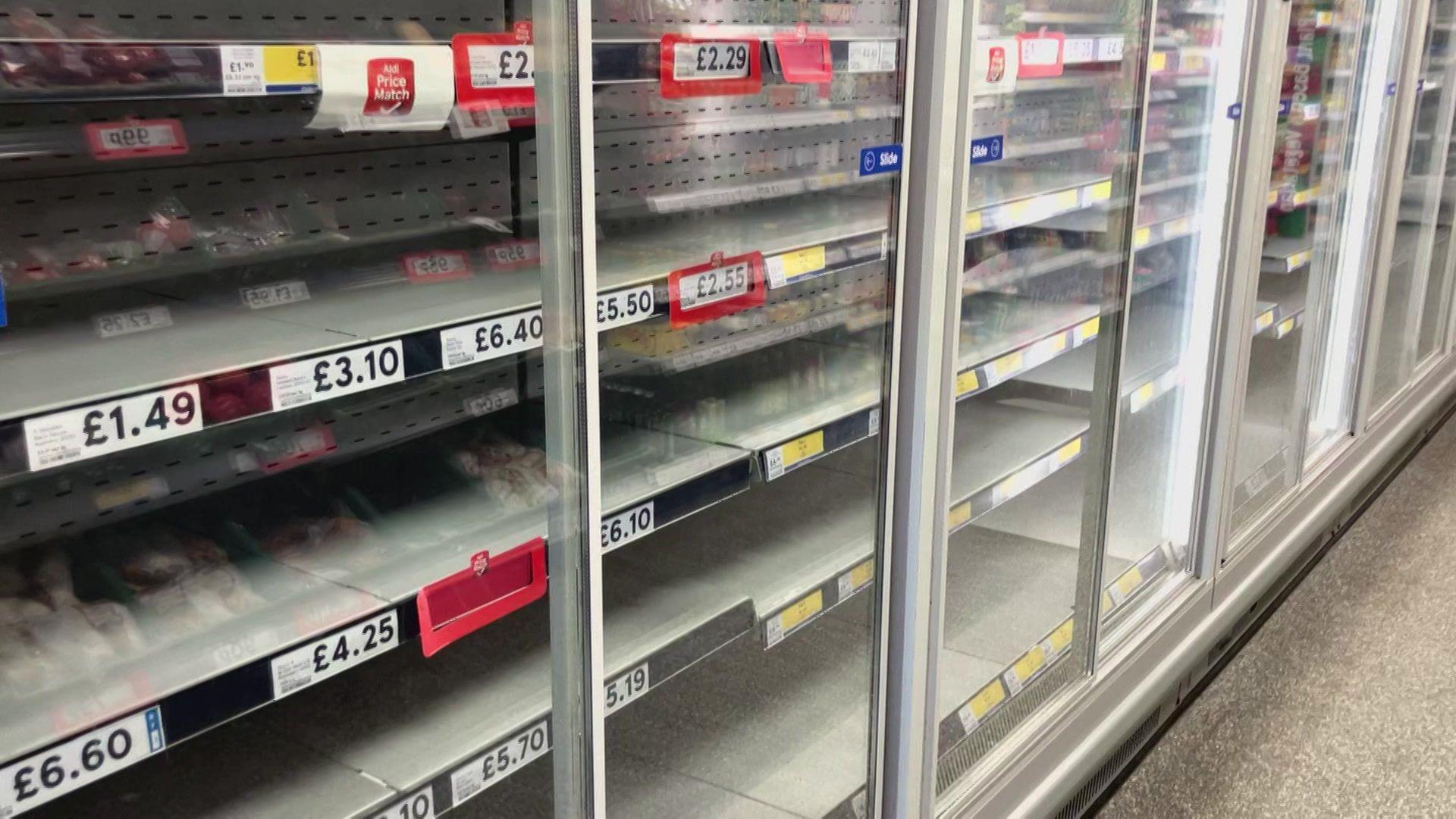
There is a clear headline risk to households with older appliances, but the BBC report does not provide detailed statistics on how often or which models fail. The claim is based on expert observation rather than a public dataset; readers should treat it as an alert to check vulnerable appliances rather than quantitative proof of widespread failure.
Why older fridges struggle in hot weather
Heat reduces a fridge’s ability to move warmth away from its interior. The compressor and condenser coils must work harder when ambient temperatures rise, and that extra load can push older components closer to failure.
Older fridges are often less efficient and may have worn seals, degraded insulation or dust-clogged coils. In hot weather, those weaknesses lead to higher energy use, longer running times and, in some cases, an inability to maintain safe food temperatures despite continuous operation.
Signs your fridge may be failing
Watch for clear, immediate signs that could indicate imminent fridge failure. Check anything that looks or sounds unusual and consider food safety risks if temperatures climb.
- Persistent warmth: Food feels warmer than usual or a thermometer shows temperatures above about 5°C in the main compartment.
- Excessive noise or continuous running: The compressor runs constantly or the unit cycles unusually often.
- Frost or condensation changes: Frost build-up in a fridge-freezer or heavy condensation on seals can signal cooling issues.
- Visible wear: Cracked or misshapen door seals, rust on coils or damaged components are signs of ageing.
- Food safety concerns: Perishables that spoil faster than normal, off smells, or items thawing in a freezer require immediate action to avoid illness.
What owners should do now
Start with quick, low-cost checks aimed at restoring performance and protecting food during hot spells. These steps can reduce short-term risk and help you decide if professional help is needed.
- Check seals: Inspect door seals for gaps or cracks. A simple paper test—close a sheet of paper in the door and see if it pulls out easily—can reveal leaks.
- Measure temperature: Use a fridge thermometer if you have one. Aim to keep the fridge at or below about 5°C and the freezer at -18°C where possible.
- Clean coils and vents: Dust and debris on rear or base coils reduce cooling efficiency. Unplug the appliance and carefully clean accessible coils following manufacturer guidance.
- Improve ventilation: Ensure there’s sufficient space around the fridge for airflow and avoid placing it in direct sunlight or next to heat sources.
- Short-term food safety: Move highly perishable items to a cooler or insulated container and avoid repeatedly opening the door during heatwaves.
- Call a technician: If the appliance makes unusual noises, fails to reach safe temperatures after basic checks, or shows electrical faults, arrange professional servicing promptly.
When to replace and cost considerations
Deciding whether to repair or replace an older fridge depends on age, repair cost, energy use and food-safety risk. Consider replacement when repairs are frequent, repair costs approach the price of a new unit, or the appliance cannot reliably hold safe temperatures.
Note that the BBC report does not give specific failure rates or a breakdown by manufacturer. Compare any repair estimate with the cost of a modern, energy-efficient replacement and factor in expected energy savings over time. Also check manufacturer guidance and any warranty or service agreements before committing to costly out-of-warranty work.
Decision guide: repair vs replace
– If the fridge is less than 5–7 years old, sealed and otherwise in good condition, a targeted repair and a service may be worthwhile.
– If the unit is over 8–10 years old, requires frequent repairs, or cannot reach safe temperatures even after servicing, replacement is often more cost-effective when energy use is considered.
– Always weigh the immediate food-safety risk: if a fridge cannot keep food at safe temperatures, prioritise replacement or temporary relocation of perishables.
Source and caveats
This article is based on reporting by BBC News – Business, which quotes experts saying older fridges are being put under pressure by rising temperatures. The original BBC piece does not include detailed data on how many units fail, which models are most affected, or specific temperature thresholds tied to failures.
Readers should treat the expert warnings as a prompt for practical checks rather than evidence of widespread, quantified failure rates. For model-specific advice, consult your fridge manufacturer or a qualified appliance engineer.
Source: BBC News – Business
FAQ
How can I tell if my fridge is failing in hot weather?
Key indicators are persistent internal temperatures above safe ranges, continuous compressor running, new noises, or food spoiling faster. Use a thermometer and inspect seals and coils for obvious issues.
What quick fixes can reduce the risk of fridge failure in a heatwave?
Clean dust from coils, check and improve ventilation, keep the appliance out of direct sun, reduce door openings, and move high-risk perishables into a cooler if the fridge struggles to stay cold.
When should I replace an older fridge because of heat risk?
Consider replacement if repairs are frequent or costly, the unit is very old, or it cannot reliably hold safe temperatures. Compare repair quotes with the price and expected energy savings of a modern model.
For more details, see the BBC original report linked above.