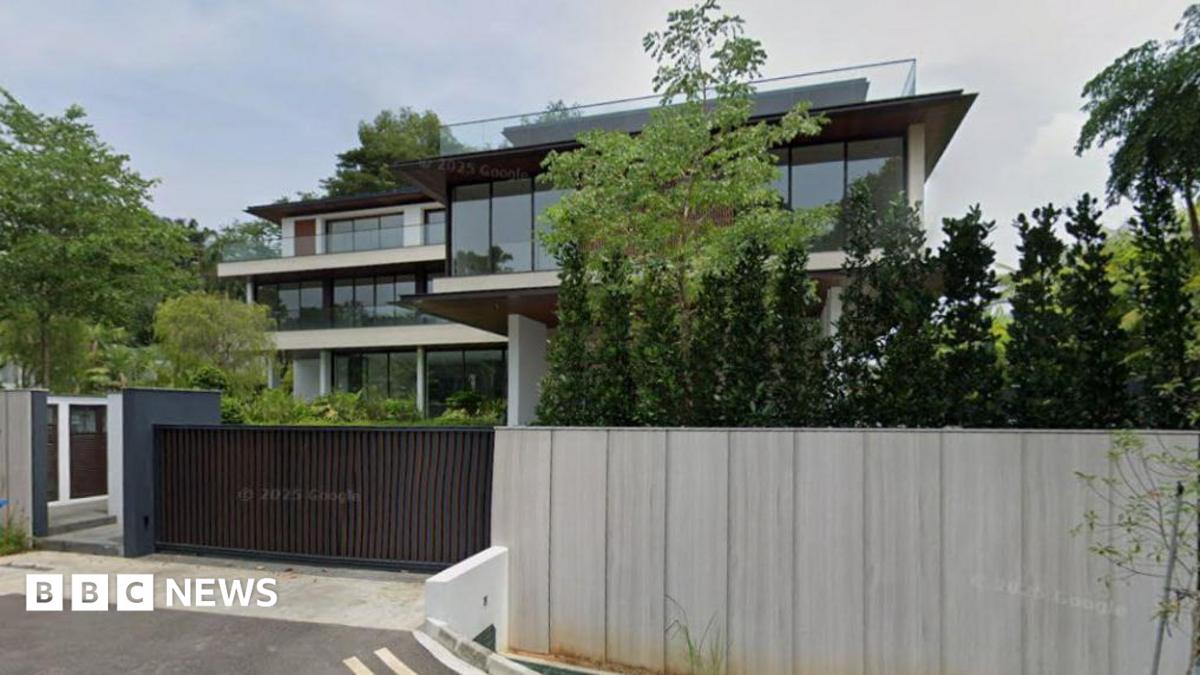
Singapore authorities have seized a luxury property valued at about $42 million in an action linked by reporting to alleged Nvidia chip smuggling. Officials have described the connection as part of an ongoing inquiry; public statements so far characterise the property seizure as an investigative step rather than proof of criminality.
The reported action highlights increasing enforcement attention on the trade in high-performance servers and the AI semiconductors they can carry. Details about any suspects, specific shipments or legal charges remain limited in public records while investigators continue forensic work.
What was seized and why it matters
Local reporting says the seized asset is a luxury house with an estimated value of about $42m. Authorities confirmed the seizure but have provided only restrained public detail, noting the measure is part of broader investigative activity linked in reporting to the alleged smuggling of servers equipped with Nvidia AI chips.

Seizure of a high-value asset serves multiple investigative purposes: it preserves value potentially tied to suspected illicit proceeds, restricts access while enquiries continue, and signals law-enforcement intent to follow financial trails. That said, officials emphasise that links reported in the press remain allegations pending further legal determinations.
How the seizure links to servers and AI semiconductors
According to reporting, investigators identified financial flows and assets they believe are associated with shipments of high-performance servers. Those servers are often used for machine learning and other AI workloads and can be fitted with specialised semiconductors produced by firms including Nvidia.
Investigators say illegal trade in such hardware can involve complex arrangements: companies that appear legitimate on paper, rerouting through third countries, and shipping practices that disguise componentry or final destination. Tracing these networks often requires cross-border cooperation and financial forensics.
Public accounts describe the mansion as one of several assets highlighted during inquiries into the broader supply chain. Authorities have not publicly tied the property to any specific shipment in a way that would establish criminal responsibility; the reporting frames the property connection as part of a developing investigation.
What investigators have said and legal limits
Singapore enforcement agencies confirmed the seizure but provided only limited comment on details that are under investigation. Officials repeatedly stress that seizures can be precautionary and that investigative findings must be tested in court before any determination of guilt.
Standard post-seizure steps include forensic review of documents and devices, examination of bank records and communications, and coordination with partner agencies when trade crosses borders. Courts typically oversee asset restraint and any decisions about forfeiture or return.
It is important to note that the presence of an asset in an investigation is not itself evidence of wrongdoing. Prosecutors will decide whether to bring charges only after reviewing the assembled evidence and completing required legal processes.
Why the case matters for supply chains and enforcement
High-end AI semiconductors and the servers that carry them are strategically important components of cloud infrastructure, research computing, and advanced industrial applications. Their value and limited global supply have made them a focus for both trade policy and law enforcement.
Authorities using tools such as asset seizure and forfeiture can more effectively disrupt networks that profit from illicit trade. Those measures complement export controls, licensing rules and customs checks by targeting the financial incentives and proceeds of suspected illegal activity.
For legitimate businesses, heightened enforcement means stronger scrutiny over documentation and compliance with export-control regimes. Importers, exporters and logistics providers may face more thorough audits and verification steps to ensure hardware is moving within legal frameworks.
What comes next
Investigators are expected to continue forensic examinations of documents, devices and financial records connected to the property and related entities. If sufficient evidence emerges, prosecutors could pursue charges such as smuggling, breaches of export controls, or money-laundering offences, though no such filings have been publicly announced.
Court processes will determine whether the mansion is forfeited, retained as part of ongoing proceedings, or returned. Cross-border cooperation with other enforcement bodies is likely if investigators identify international components to the trade network under examination.
Readers should watch for official statements from Singapore authorities, filings in local courts, and follow-up reporting that clarifies the alleged links between assets and specific shipments. The BBC report cited below remains the primary public account of the seizure at this stage.
Background on export controls and enforcement
Export-control regimes in several jurisdictions have tightened around advanced computing hardware and semiconductors because of national security and technology-transfer concerns. Controls can require licences for certain items and restrict sales to particular buyers or destinations.
Enforcement of these rules combines customs inspections, licensing checks and criminal investigations where authorities believe rules have been deliberately bypassed. Asset seizure is one of the civil and criminal tools available to authorities as they seek to disrupt networks that facilitate unlawful exports.
For context on the broader regulatory environment, see the reporting and official guidance linked in the source attribution below; those sources explain how export controls and licensing intersect with investigations into trade in sensitive technology.
Source and reporting details
This article is based on reporting by the BBC. Original story: https://www.bbc.co.uk/news/articles/cx2d9y18g73o?at_medium=RSS&at_campaign=rss. The BBC account is the primary public report of the seizure; officials in Singapore have confirmed the seizure but released limited public detail. We will update this story as authorities publish further information.
We have avoided naming unconfirmed individuals and have preserved the reporting that frames alleged links as part of an ongoing investigation.