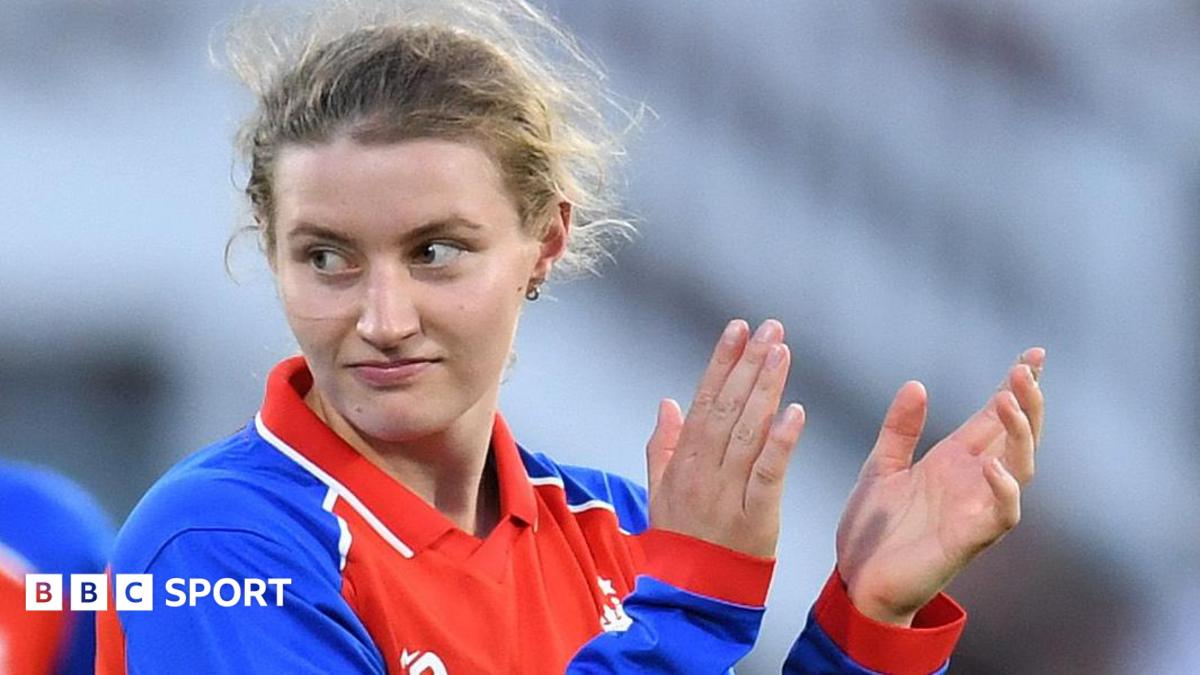
Charlie Dean has guided England into the World Cup semi-finals as stand-in captain. From the tournament’s early pressures to the knockout run, Dean’s presence has been noted inside the dressing room and by commentators; that combination of calm communication and selective tactical moves has become a defining feature of England’s approach in this stage of the competition.
The arc is straightforward: an early setback at Lord’s could have become the headline of her brief stint as leader, but the subsequent sequence of matches has shifted the story toward steadiness and incremental control. Reported observations from the squad and coverage in BBC Sport frame that shift as interpretive rather than definitive — this profile follows that guidance and focuses on concrete match moments and leadership patterns.
From Lord’s setback to steady leadership
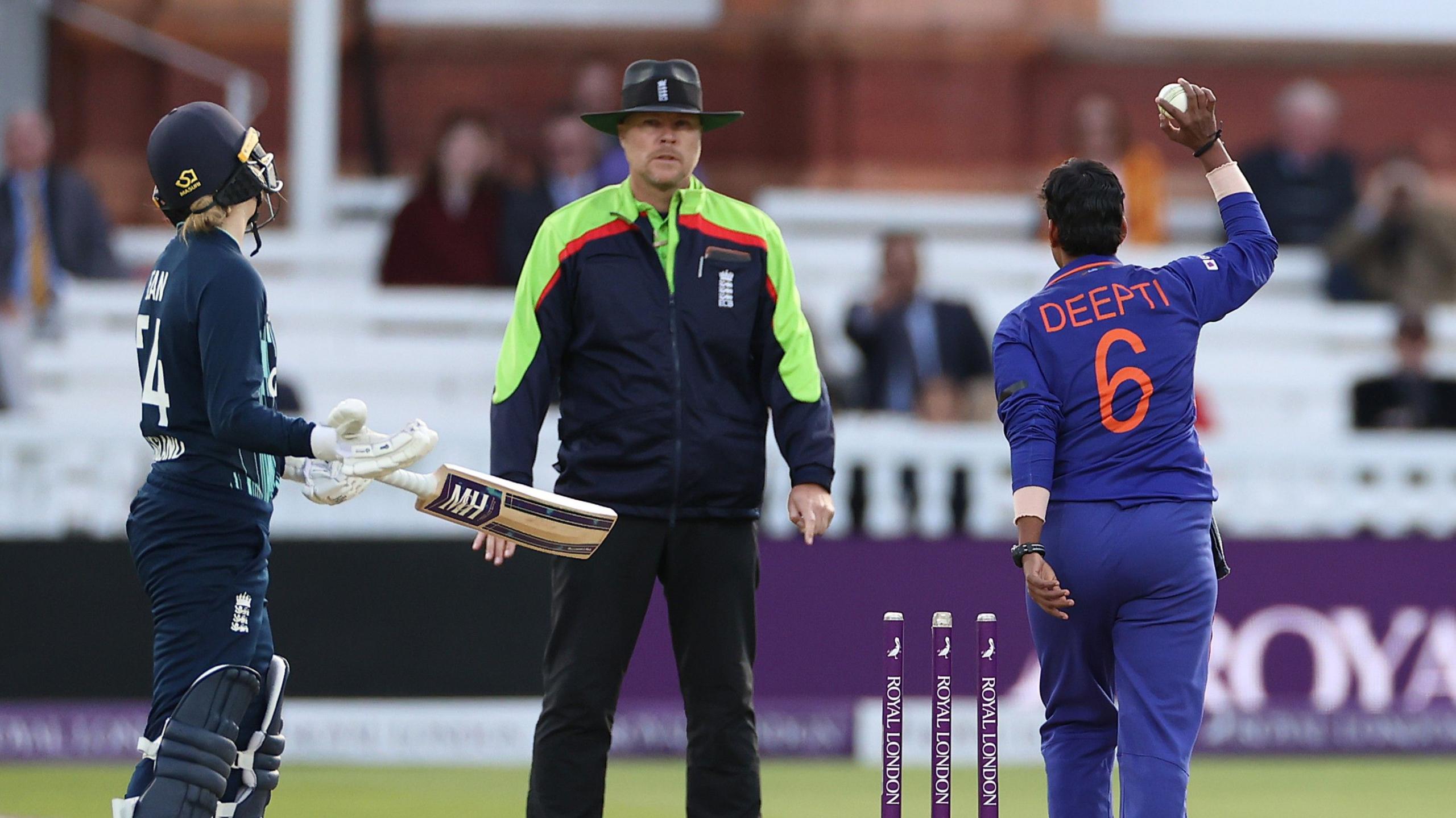
At Lord’s Dean experienced a difficult outing that received wide attention. While some accounts suggested that moment might come to define her tournament, those close to the team told reporters it did not change her role or standing inside the squad. Instead, she and her support staff leaned into routine and clarity.
In practice that meant avoiding overreaction. Post-Lord’s, briefings emphasised process: simple plans for bowling sequences, clearer field responsibilities, and reset conversations that kept individuals focused on small, controllable tasks rather than the wider noise around form and headlines.
Charlie Dean’s calm captaincy
Dean’s on-field style has been marked more by measured signals than dramatic gestures. She often opts for compact fields at times when preventing singles creates pressure, and she has favoured giving bowlers clearly defined roles — for example, asking one seamer to bowl attacking lines to the batter’s strengths while another keeps a tighter corridor to stifle scoring options.
Those choices show an emphasis on control: stop the easy runs, create dot-ball pressure, and wait for the batter to take an unnecessary risk. Teammates and support staff, as reported in coverage of the tournament, cite that clarity of instruction as one reason the group has felt calmer in tense chases and defended totals more consistently.
What Dean changed on and off the field
Tactically, Dean has used short interventions rather than long monologues. Between overs she has favoured succinct pointers for bowlers — one or two specific lines or lengths to exploit, rather than wholesale shifts in plan. Before powerplay phases she has reiterated simple goals: where to bowl, which fielders to back up, and how to rotate the strike if batting.
Off the field the adjustments have been practical. Team meetings have been kept tight; roles were clarified so each player knows when to take initiative and when to play within a set structure. That approach has been credited in reporting with helping younger players feel secure about taking responsibility when the match demands it.
Numbers and match moments that matter
By the numbers, Dean’s imprint is cumulative rather than singular. Fielding standards tightened across recent matches; bowlers were given clearer phases in which to attack or contain; run-outs and tight catches in close games illustrated marginal gains that add up in tournament cricket.
Key moments often involved considered, small decisions: a mid-innings bowling change that broke a developing partnership, a rearranged inner ring that cut off singles and created pressure, or a short, private chat with a batter that helped them refocus. None of these moments alone proves a captain’s worth, but together they show a pattern of interventions that have nudged tight contests in England’s favour.
Match management has also included handling the clock and rotation of bowlers across innings. Dean and her support group have aimed to balance rest and rhythm for frontline bowlers, avoiding over-bowling key options while ensuring overs are used to build pressure in the right phases.
What comes next for Dean and England
With England into the semi-finals, immediate attention turns to preparation for a single opponent and a quick turnaround. Dean’s task is practical: tailor plans to the next side, keep messages concise, and preserve the calm that has been a throughline of recent matches. Selection and rotation choices will be judged on both short-term match needs and longer-term squad balance.
Longer-term captaincy conversations will likely resume after the tournament. For now the priority inside the camp is simple and shared: win the semi-final and let the results inform any broader decisions. The team’s approach under Dean suggests selectors will have a clearer evidence base either way.
Key takeaways
Charlie Dean’s stand-in captaincy has been about steadying rhythms and repeatable process: clear, short communication; tactical restraint; and trust in players to execute. Those elements helped England move on from a testing day at Lord’s and into the World Cup semi-finals, and they will shape how the side approaches the knockout phase.
Reporters and analysts have framed individual moments as open to interpretation rather than absolute proof points. This profile uses that framing: it focuses on reported patterns and observable match choices rather than treating any single incident as the sole determinant of Dean’s leadership credentials.
Source: BBC Sport — “The making of Dean – England’s serene stand-in skipper” — https://www.bbc.co.uk/sport/cricket/articles/c8j2xkpvrgjo?at_medium=RSS&at_campaign=rss. The article and reporting it cites note the interpretive nature of phrases such as a “defining” dismissal at Lord’s; this piece aims to reflect reported observations while avoiding definitive claims about subjective moments.