New York City Mayor Zohran Mamdani asked New Yorkers to “set your AC to 78 degrees” and reduce nonessential electricity use as the city worked to protect residents during an intense heat wave and strained power grid. The request was framed as a voluntary conservation target to help keep coolers running for those who need them most, not a legal mandate.
What Zohran Mamdani posted
Mamdani wrote on X: “New York: it’s hot out there, and the power grid is working overtime to keep us cool. Set your AC to 78 degrees, turn off lights/electronics you’re not using, and unplug what you can.” The post also described operational steps for city buildings, dimming or turning off lights during peak demand and asking private partners to conserve.
Fox News Digital reported the post was viewed more than 36.5 million times. That view count is attributed to Fox News Digital’s reporting; The Nonstop News could not independently verify the 36.5 million figure beyond that report.
Heat wave and city emergency measures
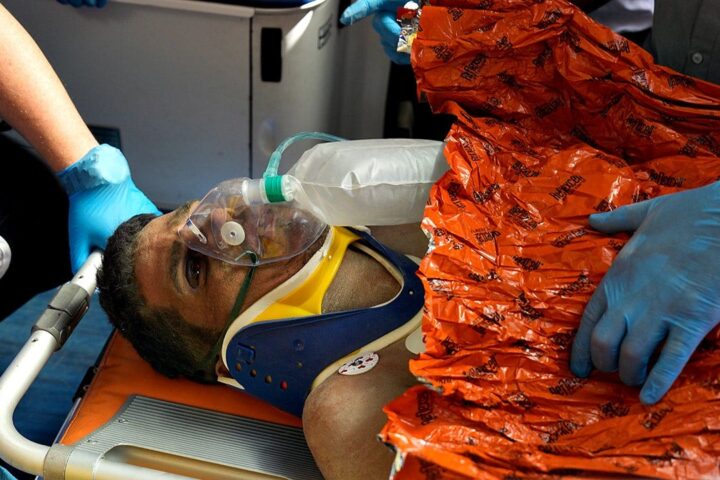
The guidance arrived as the city expanded emergency heat measures. Officials warned that a combination of high heat and humidity could push heat-index values — the temperature it feels like when humidity is included — well above actual air temperatures, with some areas feeling as hot as about 112°F, a figure cited in Fox News Digital’s coverage of official statements.
City emergency measures described by officials focus on protecting vulnerable residents and stabilizing the power grid. Those steps include opening cooling centers, targeted outreach to at-risk New Yorkers, and operational actions in municipal buildings to lower peak electricity demand so critical facilities can remain powered.
For up-to-date watches and heat advisories, residents should consult the National Weather Service and local emergency management information. The National Weather Service posts local heat advisories when heat-index values present health risks; New Yorkers can check the NWS site and NYC Emergency Management for official alerts and cooling-center details.
Viral backlash and political reaction
Mamdani’s post drew a swift online backlash that ranged from memes to direct critiques of his political philosophy. Fox News Digital quoted a range of critics and highlighted that some social-media replies labeled the mayor a “socialist.” Coverage also noted his rising local profile after his endorsed slate of candidates won recent primaries and referenced a post-primary phone call from former Vice President Kamala Harris as reported by Fox News Digital.
The criticism reflected both partisan pushback and practical concern: some commentators argued the guidance was out of touch with people who need lower indoor temperatures for health reasons, while others framed it as a reasonable, voluntary conservation ask during a high-risk period for the grid.
What residents should know and do
Officials emphasized that the 78-degree suggestion is a requested conservation target, not an enforceable rule. Residents should prioritize personal and household health needs — those who are elderly, have chronic health conditions, or lack reliable access to cooling should keep temperatures comfortable and use cooling centers or seek medical help if they feel ill.
Practical steps city officials and energy experts commonly recommend during peak heat include: raising thermostats a few degrees when safe to do so (the mayor suggested around 78°F), using fans to increase comfort, closing blinds during the hottest part of the day, turning off nonessential lights and electronics, and unplugging appliances not in use to cut phantom loads.
Collective action can reduce peak demand on the grid, lowering the chance of outages. However, no single household action guarantees prevention of outages; the goal is to reduce strain across the system so critical facilities and cooling for the most vulnerable remain available.
If someone feels lightheaded, disoriented, has rapid heartbeat, or experiences other signs of heat illness, seek medical attention promptly or go to a designated cooling center. For locations and official guidance, consult NYC Emergency Management and the National Weather Service.
Why it matters
This guidance sits at the intersection of public safety, infrastructure limits and politics. In extreme heat, modest reductions in peak electricity use can help reduce the risk that the grid will be forced into rolling outages — a scenario that would leave many vulnerable New Yorkers without cooling during dangerous conditions.
At the same time, advice about household thermostats can become a political flashpoint, especially when framed as part of a broader ideological debate. City officials say the immediate, pragmatic aim is to keep cooling available to those who need it and to prevent systemic failures during an intense heat event.
FAQ
Do I have to set my AC to 78 degrees?
No. Officials described 78°F as a voluntary conservation target to reduce peak demand. Residents should weigh personal and medical needs when choosing thermostat settings.
Will setting AC to 78 save power or prevent outages?
Raising thermostats and cutting nonessential electricity use can lower peak demand and ease stress on the grid. While it doesn’t guarantee outages will be avoided, widespread reductions help reduce the overall risk of rolling outages during extreme heat.
Are the city’s emergency heat measures mandatory for residents?
The city’s emergency measures generally apply to municipal operations and services (for example, opening cooling centers and adjusting settings in city buildings). Individual conservation requests are typically voluntary; any mandatory actions would be announced directly by city authorities.
Source attribution
This report is based primarily on coverage by Fox News Digital, which reported Mamdani’s X post, the online reaction and the post’s reported reach. Fox News Digital also noted it reached out to the mayor’s office for comment. The 36.5 million-view figure is attributed to Fox News Digital’s reporting; The Nonstop News could not independently verify that number.
For official heat advisories and cooling-center information, see the National Weather Service (https://www.weather.gov/) and NYC Emergency Management (https://www.nyc.gov/site/em/index.page).
Read the Fox News Digital piece here: Fox News Digital.