Loay Abdel Fattah Alnaji manslaughter sentence: a Ventura County judge this week sentenced Loay Abdel Fattah Alnaji to one year in county jail after he pleaded guilty to manslaughter in the 2023 death of pro-Israel demonstrator Paul Kessler. The decision has prompted objections from prosecutors and renewed public debate over how courts handle violent episodes at politically charged rallies.
What happened at the protest
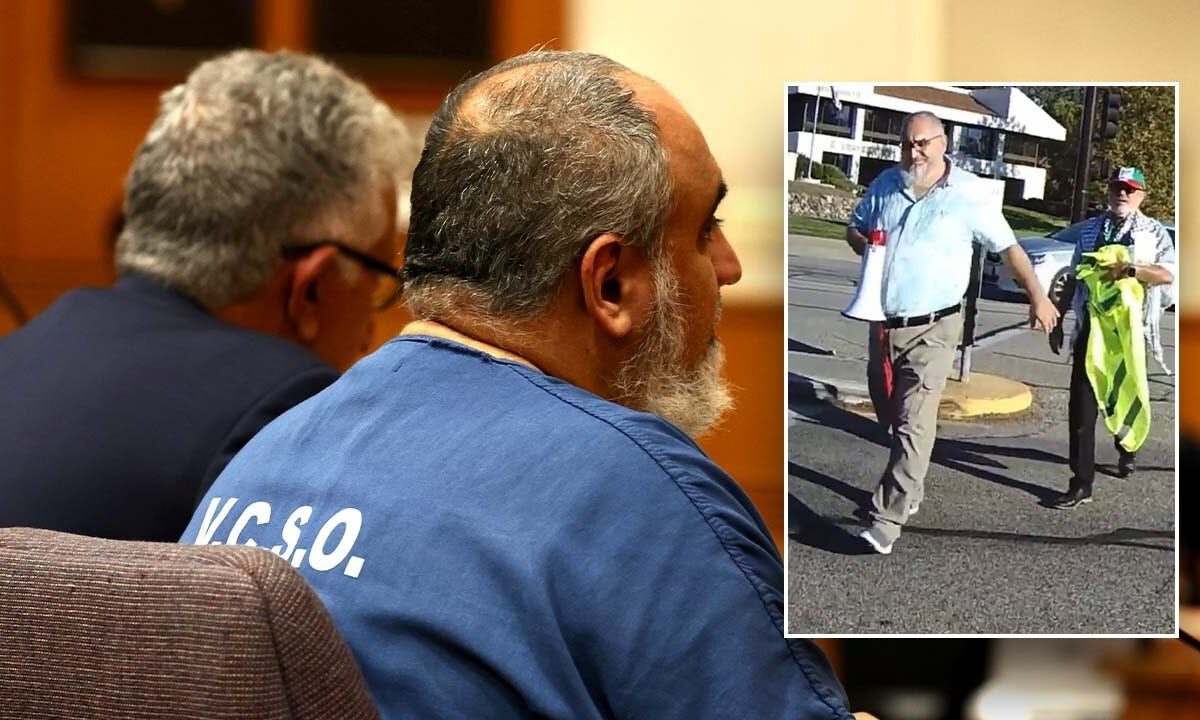
According to charging documents and reporting by local outlets, Loay Abdel Fattah Alnaji, 53, was involved in a confrontation at a 2023 demonstration where opposing groups clashed. Prosecutors say Loay Abdel Fattah Alnaji struck 69-year-old Paul Kessler with a megaphone; Kessler later fell, suffered a head injury and died of his wounds at a hospital.
Loay Abdel Fattah Alnaji ultimately pleaded guilty to manslaughter in May. The plea removed the uncertainty of a trial and capped the legal exposure the defendant faced, but it also set up disagreement over the appropriate punishment for an act that resulted in a death.
Loay Abdel Fattah Alnaji manslaughter sentence and the legal dispute
The court imposed a one-year term in county jail for Loay Abdel Fattah Alnaji after accepting the manslaughter plea. Ventura County prosecutors publicly objected to that sentence, arguing that state prison would have been the appropriate venue given the fatal outcome and surrounding facts of the case.
In its statement, the district attorney’s office said the facts that led to Kessler’s death warranted a state prison recommendation. Prosecutors told reporters they viewed the one-year county jail term as disproportionate to the seriousness of a death that arose from a violent encounter at a public demonstration.
Victim impact and eyewitness accounts
Kessler’s widow submitted a victim impact statement that described the sudden loss and the long-term emotional toll of losing her husband of 43 years. The statement, included in court records released by the district attorney’s office, said the family continues to grieve and struggle with the silence left in their home.
Witness accounts reported by local media and cited by prosecutors added details of the chaotic scene. Jonathan Oswaks, a friend of Paul Kessler who attended the rally with him, told reporters he found the day frightening and aggressive. Oswaks described being shouted at and said a megaphone was used near his ear, characterizing the encounter as deeply upsetting and contributing to the family’s sense of loss.
These personal accounts formed part of the record prosecutors and the family used when urging a tougher penalty. The court heard victim impact testimony and reviewed eyewitness descriptions before announcing the sentence.
Protest context and public safety questions
The incident took place against the broader backdrop of demonstrations linked to the Israel-Hamas war, which have at times heightened tensions and raised questions about safety at public rallies. Local officials and residents have reported concerns about confrontations when groups with opposing views gather in close proximity.
While the wider political context helps explain why emotions ran high that day, prosecutors and court filings focus on the specific actions that led to Kessler’s injuries rather than assigning a political motive. Reporting notes that crowd dynamics, verbal exchanges and aggressive gestures contributed to the escalation without establishing a legally proven motive for the assault.
What comes next for the case
Ventura County prosecutors said they consider the one-year county jail sentence insufficient and have signaled they will review the matter. That review could include assessing legal options available after sentencing under California law, such as motions that challenge the adequacy of a negotiated outcome or other avenues to seek a different disposition, though specific next steps were not detailed publicly.
Defendants who accept plea deals generally trade the risk of a harsher sentence at trial for a known, often shorter, penalty. Prosecutors must weigh the certainty of a plea against the desire for a sentence that reflects the gravity of an offense, particularly when the conduct results in a death and prompts public concern about deterrence and public safety.
Implications and reactions
The sentence has prompted comment from family members, community observers and local officials about accountability for violent acts at protests. Kessler’s relatives and supporters said they were disappointed by what they called a lenient outcome for a fatal interaction that began in a public demonstration.
Observers say the case highlights difficult choices prosecutors and judges face when balancing plea bargaining, victims’ wishes and the community’s interest in deterrence. It also underscores ongoing questions about how to manage and police demonstrations so that free expression and public safety can coexist.
Questions readers may have
What was Loay Abdel Fattah Alnaji convicted of?
Loay Abdel Fattah Alnaji pleaded guilty to manslaughter for his role in a 2023 protest altercation that prosecutors say led to Paul Kessler’s fatal head injuries.
Why did prosecutors say the sentence was insufficient?
Ventura County prosecutors argued that a one-year county jail term did not reflect the seriousness of a death resulting from the altercation and said state prison would have been more appropriate given the outcome.
What did the victim family say in their impact statement?
Kessler’s widow described relentless grief and the sudden, violent loss of her husband of 43 years, saying there are no words adequate to capture the family’s pain.
Source: Fox News. Original reporting at https://www.foxnews.com/us/anti-israel-demonstrator-sentenced-year-jail-manslaughter-2023-protests.