The Supreme Court on Thursday rejected Executive Order 14160 in a 6-3 decision, blocking an executive attempt to narrow birthright citizenship and making clear that any durable change would have to come from Congress rather than the White House. The Court’s majority opinion, and a separate narrower majority on the citizenship clause, together move the immediate legal fight into the legislative and appellate arenas.
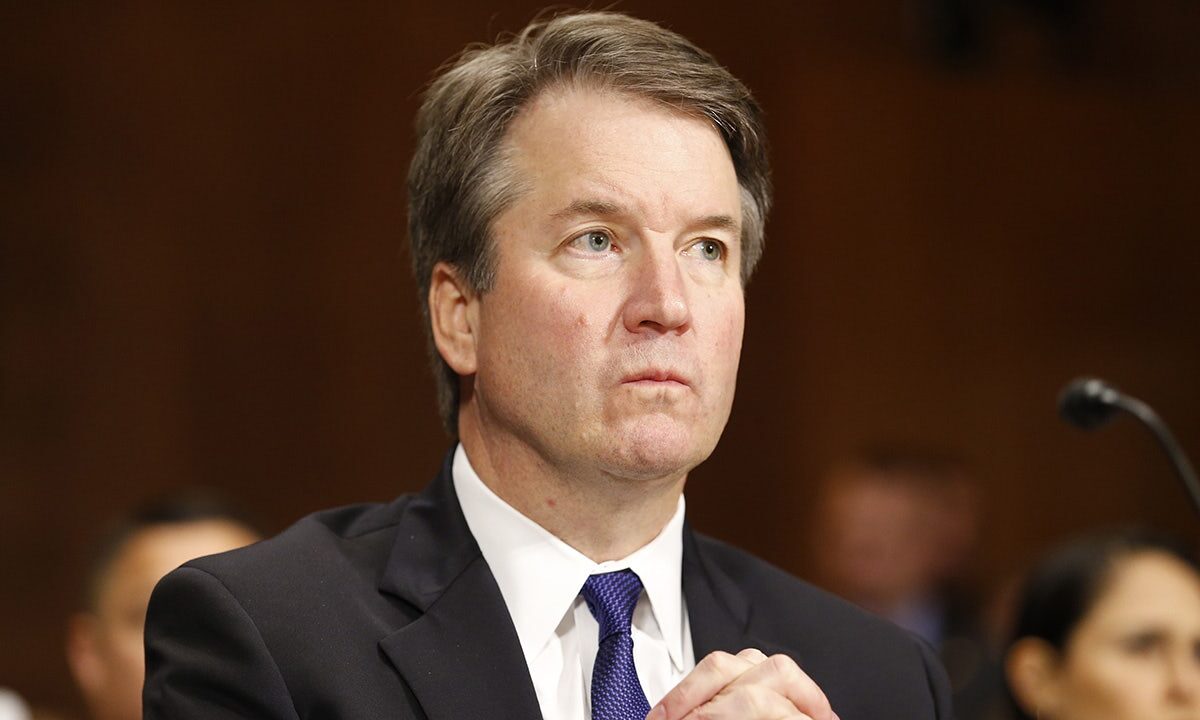
Justice Brett Kavanaugh joined the 6-3 judgment striking down the order’s statutory basis and wrote a concurrence that has quickly become the focal point for Republican lawmakers and policy strategists. The decision rejected the administration’s use of an executive order to rewrite the statutory scheme governing nationality and citizenship and reaffirmed the central role of Congress in altering federal statutes.
Kavanaugh’s roadmap for changing birthright citizenship
Kavanaugh argued Congress could pursue a statutory route rather than relying on executive action. He wrote: “Congress could — consistent with the Fourteenth Amendment—amend §1401(a) or otherwise enact new legislation establishing exceptions to birthright citizenship for children born to foreign citizens unlawfully or temporarily in the country,” laying out the specific statutory entry point for lawmakers to consider.
In his concurrence Kavanaugh connected that possible legislative approach to judicial precedent, including United States v. Wong Kim Ark, which historically shaped the modern understanding of birthright citizenship. He suggested that Congress has the authority to revise the statutory framework — §1401(a) of the Immigration and Nationality Act — but also acknowledged that any such statute would face constitutional scrutiny under the Fourteenth Amendment.
What the court ruled on birthright citizenship
The decision had two principal components. First, a 6-3 majority held that Executive Order 14160 could not be enforced because it relied on an improper statutory authority. That effectively nullifies the administration’s chosen mechanism for narrowing citizenship by executive fiat. Second, a separate 5-4 majority took a view that the citizenship clause of the Fourteenth Amendment protects birthright citizenship — a reading that critics say would make statutory efforts more legally vulnerable.
Together the holdings preserve the ordinary rule that most children born on U.S. soil are citizens while creating a narrower legal question about whether Congress can draft an exception that would survive immediate constitutional challenge.
Why the ruling shifts action to Congress
The Court emphasized that where Congress has spoken through statute, the President cannot use an executive order to override or rewrite that statute. That principle is the primary reason the order failed and why the Court pointed lawmakers to the legislative branch as the avenue for change.
Practically, the Justice Department has signaled a change in enforcement priorities. Officials said they will no longer rely on EO 14160 and instead will focus on prosecuting criminal conduct tied to birth tourism and related visa and fraud schemes — a move aimed at using traditional prosecutorial tools rather than seeking to alter the text of citizenship law through executive action.
Political reactions and proposals
Republican leaders and several senators immediately pointed to Kavanaugh’s concurrence as the roadmap for congressional action. House Speaker Mike Johnson called the ruling a spur to consider a constitutional amendment, while other GOP lawmakers proposed statutory fixes as faster, if legally uncertain, alternatives.
Key proposals flagged by Republican lawmakers include Sen. Tom Cotton’s Constitutional Citizenship Clarification Act and various bills aimed at tightening rules around birth tourism and visa misuse. Some senators — including proponents of amendment campaigns — argue the only sure route to change is a constitutional amendment. Others prefer trying to draft narrow statutory exceptions and litigate the result.
Legal scholars warn that statutory attempts will likely be tested quickly in federal court. As Notre Dame Law School professor Haley Proctor put it: “This is an important decision. I don’t think the court’s going to revisit it lightly, and the only sure way to get a new answer here would be to amend the Constitution.” That assessment highlights the tension between a faster legislative path and the longer, more certain constitutional route.
Legal basis and likely challenges
Any statute that seeks to alter who is a citizen at birth would almost immediately prompt litigation, because a 5-4 view of the Court endorsing a strong reading of the Fourteenth Amendment’s citizenship clause suggests judges could strike down many statutory limitations. Courts will assess whether Congress’s text in §1401(a) or any new statute is compatible with the Constitution as the Court interpreted it in its separate plurality views.
Even if Congress passes a statute that purports to carve out exceptions, plaintiffs would have standing to challenge it and appellate courts would resolve the constitutional questions on an expedited basis — meaning the legal fight could return to the Supreme Court within months or a few years, depending on procedural paths and emergency motions.
What comes next: timeline and political hurdles
Expect rapid legislative activity alongside litigation. Some House Republicans have signaled plans to introduce bills or amendments in the immediate weeks following the ruling; Senate action is less certain and will depend on the chamber’s agenda and GOP unity. Passing a statute requires majorities in both chambers and the president’s signature or a veto override — a potentially steep climb if responses remain partisan.
A constitutional amendment, by contrast, would take years and require two-thirds support in both chambers plus ratification by three-quarters of the states. That pathway remains politically remote but is viewed by some supporters as the only definitive fix that could survive judicial review.
Meanwhile, the short-term consequence is practical: DOJ enforcement will concentrate on visa fraud and criminal conduct tied to birth tourism while lawmakers test statutory options and interest groups prepare legal challenges.
Source attribution: Reporting and analysis based on the Supreme Court ruling and coverage by Fox News: Fox News – Trump’s ‘hero’ justice offers roadmap after Supreme Court rejects birthright order.