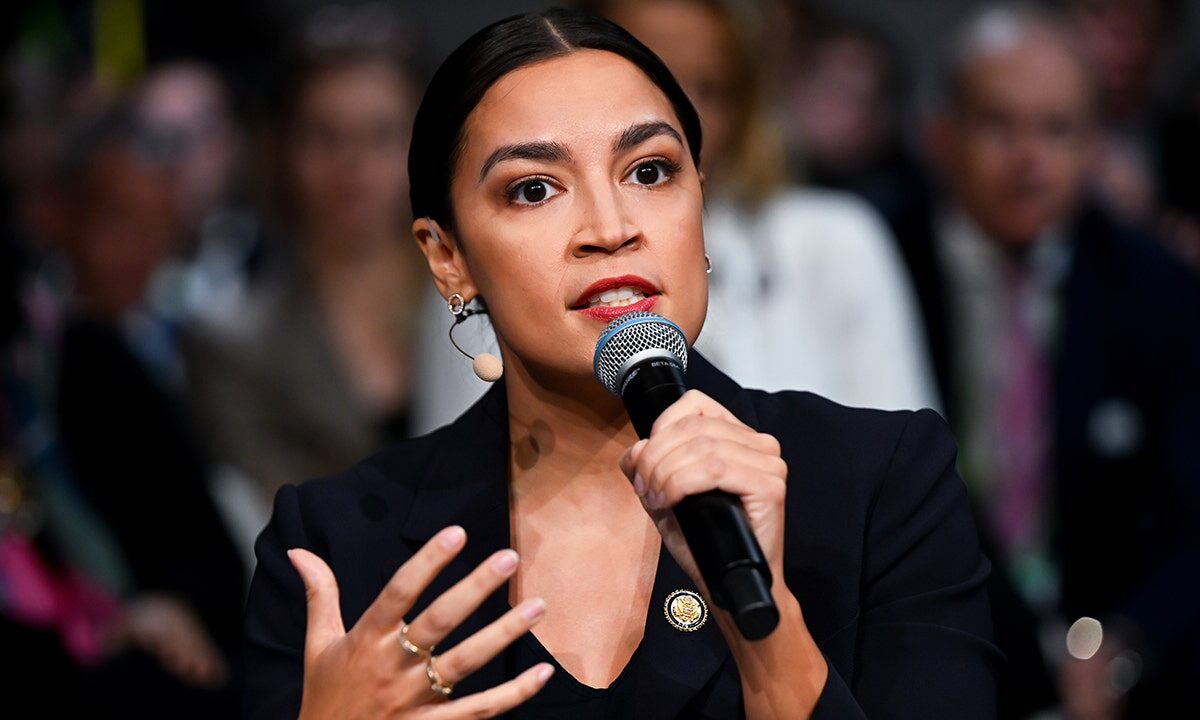
The Democratic Socialists of America’s recent string of primary successes has sharpened debate about Alexandria Ocasio-Cortez 2028 and the role outside groups could play in shaping the Democratic field. Analysts say those wins give DSA practical tools — organizing infrastructure, donor networks and candidate recruitment — that could matter if a high-profile progressive considers a run.
“You know, I think that many in the organization would be very thrilled if Alexandria Ocasio-Cortez ended up running, but ultimately that’s her decision, and we’ll be in conversation,” said Gustavo Gordillo, co-chair of DSA New York City, to MS NOW.
“I think that we will be trying to influence the next presidential primary,” Gordillo told MS NOW, adding that it is still too early to outline a firm endorsement strategy.
Quick summary
This analysis connects recent DSA primary wins to the widening discussion about Alexandria Ocasio-Cortez 2028 and how the group might shape nominations. DSA New York City co-chair Gustavo Gordillo told MS NOW the organization would be “very thrilled” at an AOC bid and that the DSA plans to try to influence the next presidential primary. Fox News Digital reached out to Ocasio-Cortez’s office for comment; she has not announced any 2028 plans.
DSA primary results to know
Several upsets in recent primaries have been framed as evidence of DSA momentum within Democratic nominating contests.
In Colorado, Melat Kiros defeated longtime Rep. Diana DeGette in an unexpectedly close primary, a result described in national coverage as a major upset.
In New York, Darializa Avila Chevalier unseated Rep. Adriano Espaillat, who formerly chaired the Congressional Hispanic Caucus, another signal of progressive strength in local races.
Also in New York, Claire Valdez, identified in reporting as aligned with DSA priorities, won the primary to succeed retiring Rep. Nydia Velázquez.
Those outcomes — widely covered by national outlets including the Associated Press and Fox News Digital — have prompted debate about whether outside progressive groups can translate local momentum into influence over higher-profile contests.
What DSA comments mean for Alexandria Ocasio-Cortez 2028
Gustavo Gordillo’s remarks have stoked speculation about Alexandria Ocasio-Cortez 2028, but they stop short of an organizational endorsement or a campaign announcement by the congresswoman. Gordillo’s comments to MS NOW indicate enthusiasm among some DSA members and a declared intent to engage in the next presidential nominating cycle, but he emphasized the group has not settled on a strategy or a candidate.
Ocasio-Cortez herself has been deliberately noncommittal in public comments about a potential presidential bid. She told reporters, “Could I be president? Could I not be president? Maybe, maybe not,” leaving the decision clearly personal and unannounced.
Strategically, DSA-backed congressional wins matter in several concrete ways: they demonstrate capacity to identify viable challengers, activate volunteers and donors, and win contested primaries. Those capabilities could be redirected to presidential politics through endorsements, organizing efforts in key states, or by amplifying specific policy platforms during early nominating debates.
But internal tradeoffs exist. The DSA must weigh whether to concentrate finite resources on accelerating congressional gains or to deploy them early in a presidential cycle where the field is larger and costs are higher. Gordillo’s framing suggests the organization is exploring options rather than committing to a single path.
What comes next for Democrats and primaries
In the short term, incumbents facing potential progressive challengers are likely to adjust outreach strategies, emphasizing constituent engagement to blunt insurgent campaigns. House members in swing or competitive districts may increase grassroots contact and fundraising to deter well-organized primary efforts.
Over the medium term, expect activity to pick up as the 2028 cycle approaches. Practical timelines: exploratory moves and expanded field-testing by potential presidential candidates typically accelerate in 2027, with formal announcements through 2027 and early 2028 ahead of primary voting later that year. The DSA’s influence will depend on whether it opts for early endorsements, targeted investments in swing primary states, or a distributed organizing model to lift multiple aligned candidates.
Stakeholder impacts would include greater leverage for progressive platforms in Democratic debates, intensified negotiations between moderate and progressive factions over party messaging, and possible shifts in fundraising flows if DSA-backed campaigns attract national donors. Yet outcome uncertainty remains high: the DSA’s endorsement alone does not guarantee broader electorate appeal, and its backing could also polarize some primary electorates.
Background: DSA’s rising role
The Democratic Socialists of America has grown from a niche activist group into a more visible political actor in recent years, using coordinated support for grassroots campaigns to win local and federal primaries. That trajectory — documented in reporting from national outlets including the Associated Press — has informed current expectations that the organization could play a consequential role in shaping 2028’s Democratic contest if it pursues that path.
Frequently asked questions
Is Alexandria Ocasio-Cortez running in 2028?
Not at this time. Ocasio-Cortez has left the door open with comments such as, “Could I be president? Could I not be president? Maybe, maybe not.” Any formal decision would come from her and has not been announced.
What role will the DSA play in the 2028 presidential primary?
DSA leaders say they plan to try to influence the next presidential primary, but they emphasize it is early to know exactly how or whom they will back. Influence could come through endorsements, organizing, and support for aligned candidates, with more active engagement likely as the 2027–2028 window opens.
How did DSA-backed candidates perform in recent primaries?
Recent high-profile results frequently cited as evidence of DSA momentum include Melat Kiros defeating Rep. Diana DeGette in Colorado; Darializa Avila Chevalier beating Rep. Adriano Espaillat in New York; and Claire Valdez winning the primary to succeed Rep. Nydia Velázquez.
Source attribution: Reporting and quotes in this piece draw primarily on Fox News Digital (see Fox News Digital reporting on DSA comments and AOC) and an interview with Gustavo Gordillo published by MS NOW. Election result context is corroborated in coverage by the Associated Press and other national outlets. Fox News Digital was contacted for comment to Ocasio-Cortez’s office. (Fox News Digital link: Democratic Socialists of America leader says ‘many’ in group would be ‘thrilled’ at AOC in 2028.)