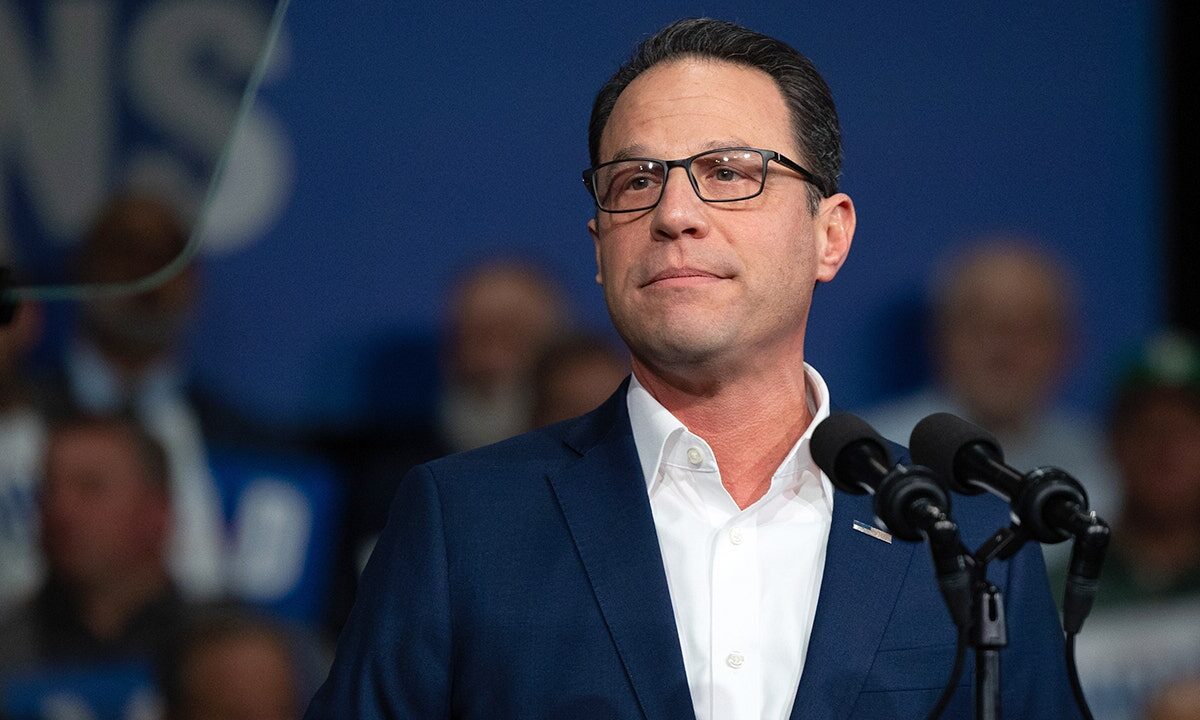
“I think we need radical reform that’s actually going to ensure that the voices of the people are heard from,” Gov. Josh Shapiro said on MSNBC’s Morning Joe, a remark that drew immediate attention and prompted discussion about whether he was endorsing so‑called court packing. The phrase “radical reform” has since been interpreted by commentators and some outlets as shorthand for expanding the Supreme Court to change its ideological balance.
Shapiro’s comment arrived amid renewed debate among Democrats and legal scholars about how, and whether, to respond to a Supreme Court whose recent rulings have frustrated many on the left. This piece summarizes what Shapiro said and where, explains why court expansion is the focal point of the “radical reform” debate, lists prominent Democratic voices who have been associated with expansion proposals, outlines key legal and institutional warnings from scholars, describes current public reaction and political risks, and offers a short bottom line on what comes next.
Josh Shapiro: what he said and where
The governor spoke on MSNBC’s Morning Joe, saying the U.S. lacks sufficient democratic representation across the branches and that reforms are needed so “the voices of the people are heard.” Media coverage and an opinion column in Fox News characterized that language as aligning Shapiro with proponents of court expansion. The coverage also noted Shapiro’s critique of specific recent Supreme Court decisions, including a claim that at least one decision “should have taken a nanosecond to decide and it should have been 9-0,” which framed his frustration as a motivating factor for structural change.
Court packing as the practical reform under discussion
In contemporary debates, “radical reform” most often refers to adding justices to the Supreme Court — commonly called court packing. Proposals discussed publicly have ranged from modest seat additions to restoring an earlier size; the figure “13 justices” has appeared frequently in commentary as one example of a targeted expansion intended to produce a durable shift in the Court’s ideological makeup.
Advocates argue expansion could quickly produce a majority more receptive to laws enacted by a future Democratic Congress and president, while opponents say altering the Court’s size for partisan advantage risks eroding judicial legitimacy and provoking retaliatory institutional moves by future majorities.
Which Democrats are on board — and how they frame it
Several high-profile Democrats have been tied to the conversation about court reform. Vice President Kamala Harris and Transportation Secretary Pete Buttigieg have, at times, signaled openness to structural reforms as a response to recent rulings; media coverage has highlighted their remarks as part of a broader discussion. Political figures and operatives such as former Attorney General Eric Holder and strategist James Carville have also been cited in public debate and commentary. For example, an opinion column quoted Eric Holder in the context of planning for power if Democrats held unified control in a future cycle, and James Carville has publicly urged considering expansion if Democrats control the White House and both congressional chambers.
Not every Democrat embraces court expansion; many elected officials and strategists are cautious, noting political and electoral consequences. The diversity of views inside the party reflects both policy calculations and concerns about long‑term institutional norms.
Legal and institutional warnings from scholars
Leading scholars and constitutional commentators warn that court expansion presents substantial legal and institutional risks. Harvard historian Michael Klarman has been cited in public commentary describing how systemic changes intended to advantage one party can entrench power in ways that damage democratic stability. Jonathan Turley, a law professor and author of Rage and the Republic, warns that altering foundational institutions to capture short‑term advantages risks provoking what opponents term a “mobocracy” and may undermine the long‑term legitimacy of the judiciary.
Other constitutional scholars stress practical roadblocks: litigation over congressional authority to change the Court’s size, interpretive fights about the Constitution’s silence on a fixed number of justices, and the potentially corrosive effect on public trust if the Court is perceived as openly reshaped for partisan ends. Those critiques emphasize precedent, the difficulty of reversing institutional changes, and the likelihood of tit‑for‑tat responses that could further politicize courts and other branches.
Voter reaction and political stakes
Public polling and political analysis suggest voters are skeptical of court packing. Broad surveys conducted by major research organizations have shown higher levels of opposition than support for adding seats solely to alter the Court’s ideological balance. That public resistance matters politically: Democrats weighing court expansion must consider whether backing such a move would alienate moderate voters, depress turnout among key constituencies, or provide a galvanizing issue for Republicans.
Strategists warn that embracing court packing could carry consequences into future election cycles, including 2028, by shaping both narratives about Democratic governance and the incentives of voters deciding whether to reward or punish parties perceived to have used institutional levers for partisan gain.
Bottom line for readers
Josh Shapiro’s invocation of “radical reform” places him within a larger, unresolved debate over whether to reshape the Supreme Court. The term has been widely interpreted as referring to court packing — a option that attracts prominent supporters and trenchant critics alike. Supporters view expansion as a corrective to rulings they consider harmful to policy priorities; critics warn of long‑term damage to judicial independence and democratic norms.
What comes next is likely to be extended public debate, further commentary from legal scholars, targeted polling and political calculation. Any move toward expansion would confront legal tests, organizational hurdles and sharp political tradeoffs; even if the idea remains largely rhetorical for now, it will continue to shape conversations about judicial reform and electoral strategy.
Source
This analysis draws on an opinion column in Fox News that discussed Gov. Shapiro’s comments and cited legal commentators: https://www.foxnews.com/opinion/jonathan-turley-shapiro-couldve-been-contender-caved-loons. Additional context on public attitudes and the broader debate referenced reporting and public polling by major research organizations (e.g., Pew Research Center) and published work by legal scholars, including Jonathan Turley (author of Rage and the Republic) and commentary by Michael Klarman, Harvard University.