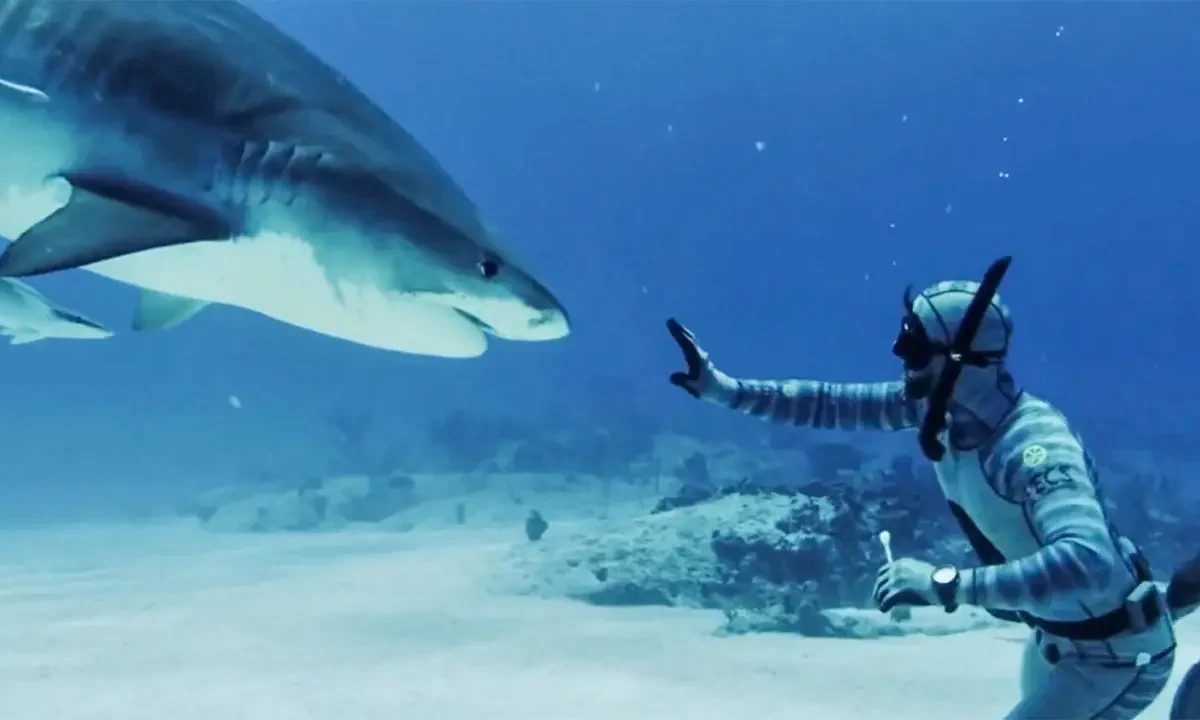
Florida is leading U.S. counts of shark bites this summer, but experts emphasize the rise is driven by seasonal shark behavior, more people in the water and recovering populations — not a sudden surge in aggression.
Top trackers and researchers say most encounters are investigatory. Read the latest tallies, why interactions tend to increase in summer, notable recent incidents and short actions you can take to reduce risk.
Quick overview: shark bites in 2026
The Florida Museum of Natural History’s International Shark Attack File (ISAF) reported 65 unprovoked shark bites worldwide in 2025, nine of them fatal, and listed 25 unprovoked bites in the United States that year, with Florida accounting for 11 of those U.S. cases. These ISAF figures are a long-running research baseline for academic tracking.
Separately, TrackingSharks.com, a privately run incident-monitoring site, had logged roughly 30 shark-attack incidents worldwide in 2026 as of early July, including several fatal encounters. Because TrackingSharks and ISAF use different collection methods and update schedules, their counts can differ; see the Data caveats section for details.
Why interactions are up this summer
Forrest Galante, wildlife biologist and television host, told OutKick Outdoors that three main factors explain recurring summer spikes: seasonal coastal hunting, more people in the water, and rebounding shark numbers after conservation efforts.
“Summertime is when sharks like to hunt coastally and come close to the beaches, which is of course where and when we’re swimming,” Galante said. He also noted that improved protections and reduced overfishing have allowed some populations to recover in regions where sharks were once scarce.
Seasonality matters: warmer water brings prey fish and bait closer to shore, and sharks follow. At the same time, beach attendance and water activities peak in summer, increasing the chance of encounters that are often investigatory rather than predatory.
Recent incidents to know
The season has included several notable and varied encounters that illustrate differences in severity and context:
- In early June, local authorities in Panama City, Fla., said a Navy base employee was critically injured while swimming near a marina; officials and media described the attacker as a “suspected bull shark,” a provisional identification pending formal investigation.
- Also in June, a child in knee-deep water at WaterColor, Fla., suffered leg wounds. Officials closed a five-mile stretch of beach under double-red-flag conditions while responders assessed the situation.
- Internationally, ISAF and reporting outlets noted a fatal attack in May at Rottnest Island off Western Australia and a mid-June incident near Sydney in which a 34-year-old teacher was critically injured.
These cases show how outcomes range from minor wounds to rare fatalities. Initial species identifications (for example, calls of a “suspected bull shark”) are often provisional and may be revised after forensic or witness review.
How to reduce your risk at the beach
Experts including Galante recommend straightforward, short precautions that further lower an already small risk:
- Do not go in the water at dawn or dusk; those are common feeding times.
- Avoid swimming near river mouths, piers or areas where people are actively fishing or discarding bait.
- Do not swim alone; stay near lifeguard-patrolled sections when possible.
- Avoid shiny jewelry or clothing that reflects light and could resemble fish scales.
- Keep pets and small children away from the surf edge in areas with recent sightings.
- If you spot a shark, leave the water calmly and steadily; avoid splashing or frantic movements that can attract attention.
Data sources and caveats
Counts and characterizations of shark encounters depend on collection methods. The Florida Museum’s ISAF compiles long-term, peer-reviewed incident records with strict criteria. TrackingSharks.com is a private, near-real-time tracker that aggregates media reports and official notices; it may include different incidents or update faster than formal databases.
Because of these methodological differences, totals across sources can disagree. Also, early incident reports sometimes include provisional details — for example, an attack may be called a “suspected bull shark” in initial reports pending confirmation by authorities or experts.
Data caveat: Use ISAF for formal historical comparisons and TrackingSharks for near-real-time situational awareness. Neither source eliminates reporting gaps or classification uncertainty; treat short-term swings cautiously and focus on context and safety practices.
What to expect
Summer will likely continue to be the season with the most reported interactions because of shark coastal behavior and increased beach use. Following simple safety steps keeps risk minimal while letting people enjoy the water.
FAQ
How common are shark bites in the United States?
Rare. ISAF recorded 25 unprovoked U.S. bites in 2025. Most encounters are nonfatal and investigatory.
What should I do if I see a shark while swimming?
Exit the water calmly and steadily without splashing, head to shore or a boat, and notify lifeguards or authorities.
Are shark numbers rising because of conservation?
Conservation has aided recoveries in some regions. That rebound, plus seasonal behavior and more people in the water, helps explain higher encounter reports in some areas.
Sources
Key sources for incident counts and expert comment include the Florida Museum of Natural History’s International Shark Attack File (ISAF) and TrackingSharks.com. Expert quotes and context referenced reporting on Forrest Galante’s comments to OutKick Outdoors. For ongoing tallies, consult ISAF and TrackingSharks, keeping in mind their differing methods and update schedules.
Sources: International Shark Attack File (Florida Museum of Natural History), TrackingSharks.com, and reporting on Forrest Galante’s comments to OutKick Outdoors (as cited by Fox News/OutKick reporting).