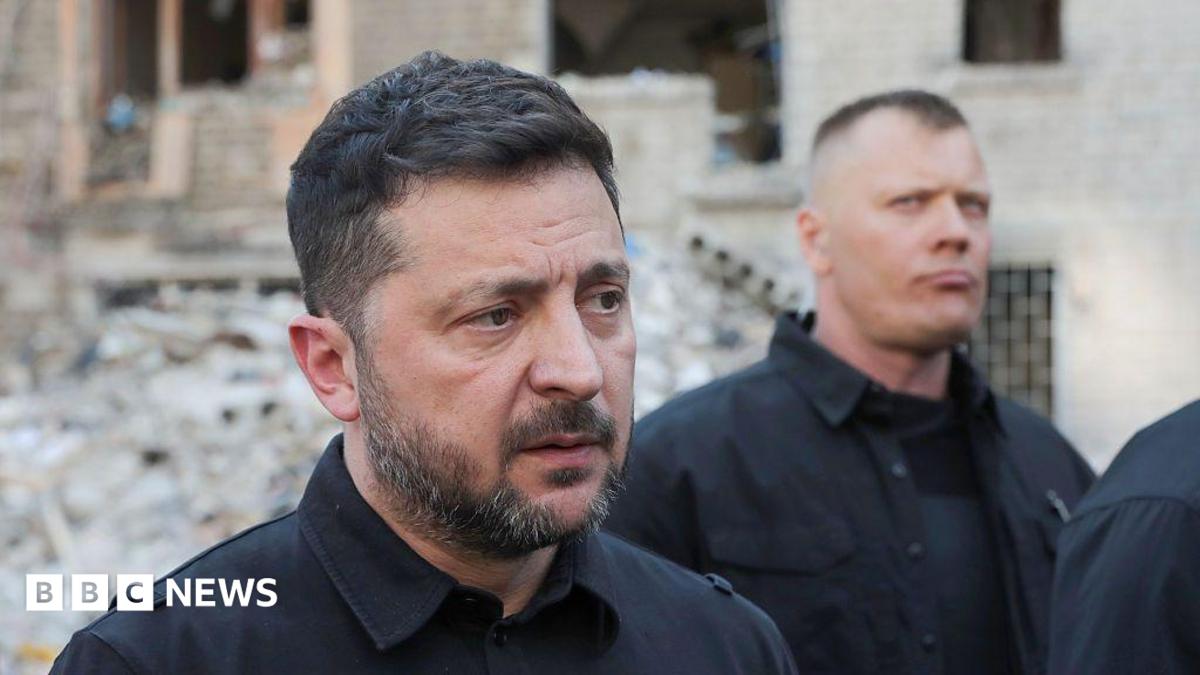
Zelensky Nato air defence was at the centre of remarks Ukraine’s president said he would bring to a Nato meeting in Turkey, according to BBC reporting. He told allies he wants more interceptor missiles and related support as Kyiv faces renewed waves of reported strikes.
Zelensky Nato air defence: request at the Nato meeting in Turkey
Ukraine’s president framed the plea as immediate and practical: more interceptor missiles to protect cities and critical infrastructure from incoming strikes. The BBC report says Zelensky planned to press Nato ministers for both hardware and the technical assistance needed to integrate systems into Ukraine’s existing defences.
Officials told the BBC the appeal links battlefield urgency with alliance politics — asking Nato not only for deliveries but for faster approvals, training and systems integration. Allies must weigh the request against export controls, logistical readiness and political sensitivities among member states.
Reported intense Russian strikes
Ukrainian officials and international reporting describe a recent wave of strikes Kyiv calls “intense.” The BBC article cites Ukrainian claims of higher tempo attacks but notes there is no independent confirmation for the full scale or all reported impacts.
Conflict reporting often evolves: initial damage and casualty tallies can change as independent verification becomes available. Analysts say an uptick in strikes tends to increase pressure on Ukraine’s partners to consider accelerated defensive aid even when full verification takes time.
How interceptor missiles would help
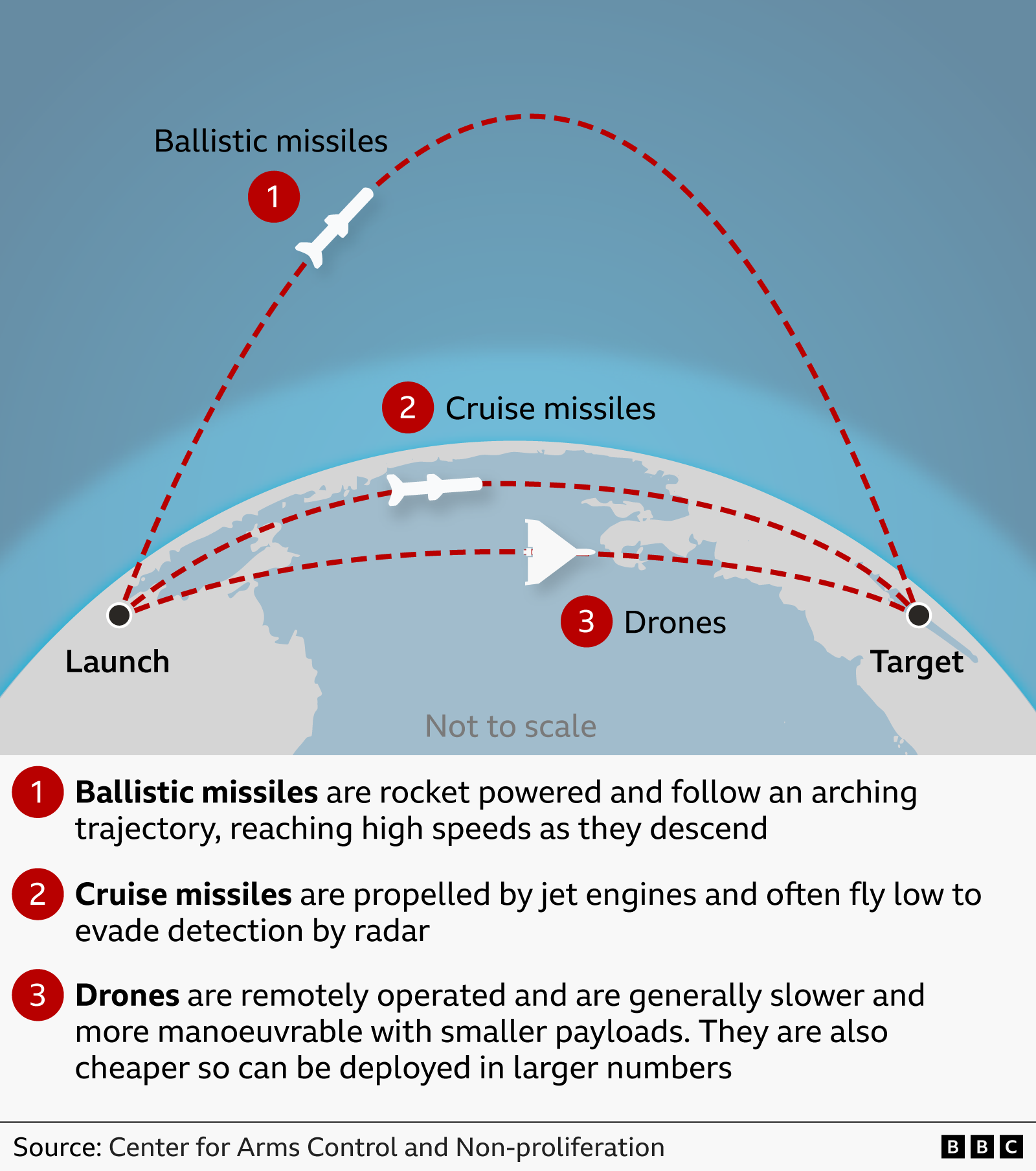
Interceptor missiles are the kinetic element of layered air-defence networks. Launched from ground-based systems or ships, they aim to destroy incoming threats — such as cruise or certain ballistic missiles and hostile aircraft — before those reach populated areas or key facilities.
Effective interception depends on integration: radars to detect threats, command systems to prioritise targets, secure communications between sensors and launchers, and trained crews to operate the systems. Interceptors also require maintenance, spare parts and a steady supply of munitions to remain effective over time.
There are operational limits. No interceptor system provides perfect protection across wide fronts or against every weapon type. Saturation attacks, stealthy weapons or targeting of sensor networks can reduce effectiveness. For Ukraine, added interceptors would likely lower risk to some cities and infrastructure but would work best as part of a combined, layered defence that includes radars, electronic warfare and dispersal of assets.
What Nato could do and diplomatic hurdles
Nato options range from accelerating deliveries of systems already approved by individual allies, to coordinated pledges of training, logistics and integration support. Some Nato members can move faster on hardware transfers because of available stocks; others may offer technical assistance, spare parts or systems-integration expertise.
Political constraints shape what happens next. Decisions on supplying advanced interceptors involve national export controls, differing threat assessments among allies, and concern about escalation. Any move that risks drawing Nato forces or advisory personnel into direct confrontation will be weighed heavily by capitals.
Turkey’s role as host of the meeting adds a diplomatic dimension. As a Nato member with its own regional balancing priorities, Ankara’s presence matters for the tone and outcomes of discussions. The Turkey venue also offers a setting where ministers can negotiate both practical support measures and underlying political issues.
Practical timelines matter: even when allies agree to send systems, transfers typically require time for shipping, installation and training. That means some pledged support addresses medium-term capability gaps more than immediate battlefield needs — a reality that shapes both Kyiv’s requests and allies’ responses.
Background and what to watch next
Requests for interceptors fit into a longer pattern of Ukrainian appeals for layered air defences aimed at reducing civilian harm and preserving infrastructure. Allies have previously supplied a mix of systems and continue to debate the scale and speed of further aid.
Watch for public statements from Nato ministers after the Turkey meeting, announcements of concrete equipment pledges, and follow-up reporting that seeks independent verification of the reported strikes. Also monitor whether agreed deliveries include training and sustainment packages — factors that determine whether systems will be effective once in Ukrainian hands.
Any major change in alliance posture is likely to be signalled first in the diplomatic language used by member states and then in specific, attributable pledges. Tracking both will give the clearest indication of what support Ukraine may receive and on what timetable.
Source: BBC News – World. Published at: 2026-07-07T02:07:15.000Z.