Fabiana, a 12-year-old girl affected by recent earthquakes in Venezuela, told BBC correspondent Yogita Limayee she “survived on ketchup and cheese” while trapped — a detail reported by the BBC but not independently verified. The short BBC video, published 2026-07-06, places a human face on the disruption that followed the tremors and highlights the immediate needs of children and families caught up in the emergency.
The BBC piece follows rescue crews and displaced people in affected communities. This profile summarises what the BBC recorded about Fabiana, flags the survival claim as unverified in public reporting, and adds context about urgent humanitarian needs in quake-affected areas.
Venezuela quake overview
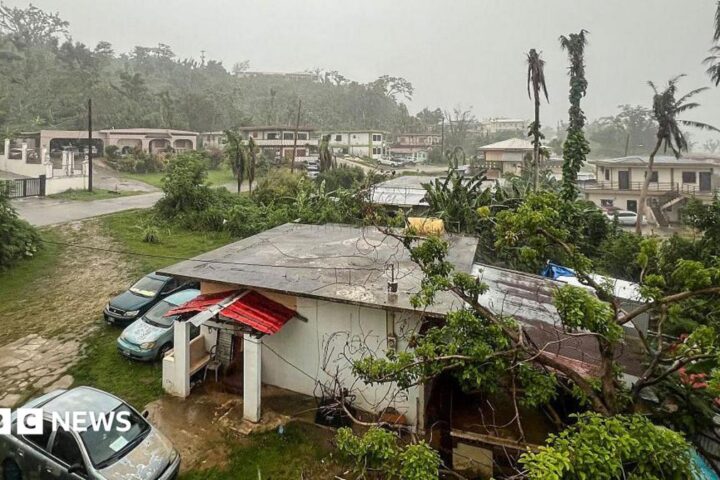
Venezuela experienced damaging earthquakes that affected households and local infrastructure. Media coverage and on-the-ground footage describe homes and buildings compromised by the tremors and many families displaced from their residences.
The BBC News video report, published on 2026-07-06 and reported by Yogita Limayee, focuses on personal stories from those affected and shows recovery teams and local responses working in the aftermath.
Publicly available reports to date provide snapshots of damage and disruption; comprehensive, independently verified damage assessments and official tallies may take longer to compile as emergency responders complete their surveys.
Meet Fabiana
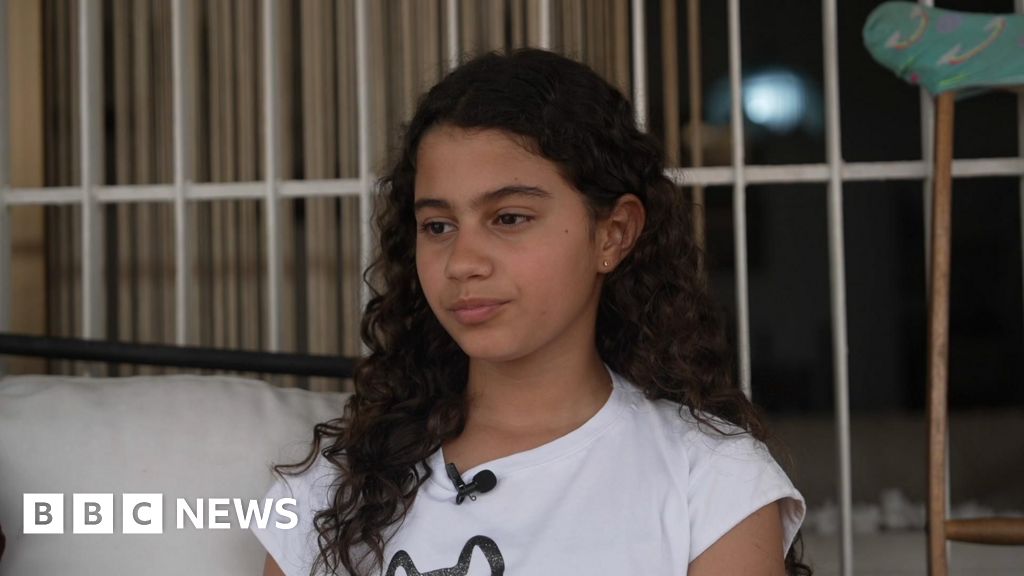
Fabiana is named in the BBC segment as a 12-year-old who was trapped when the tremors struck. In the footage, the correspondent speaks with her as part of coverage that follows survivors and first responders.
The BBC profile emphasises Fabiana’s age and the vulnerabilities children face in disaster situations. The short video does not provide an exhaustive account of her family’s circumstances, and details beyond the interview are limited in the report.
Survival claim: “survived on ketchup and cheese”
In the BBC interview, Fabiana is quoted saying she “survived on ketchup and cheese” while she was trapped. That line appears in the broadcast and is a direct report of what she told the correspondent.
“survived on ketchup and cheese”
This profile treats that wording as an unverified, first-hand claim recorded by the BBC. The broadcast does not provide independent corroboration of how long she was trapped, the timing and frequency of any food intake, or the detailed sequence of events that led to her rescue.
Because Fabiana is a minor, reporting is cautious: we present the account as recorded by the BBC rather than as an established fact. Confirmation from rescue teams, aid agencies or official statements would be needed to corroborate the specific circumstances described in the interview.
Humanitarian needs and what comes next
Children and displaced families often face urgent needs following earthquakes: safe shelter, nutrition, clean water, medical care and psychosocial support. The immediate humanitarian priorities typically include rapid assessments of damage, fast provision of emergency rations and water, and protection measures for vulnerable groups.
In many quake responses, local authorities and humanitarian organisations work to identify families who need emergency shelter and to triage medical and protection cases. Where roads and communications are affected, access can be delayed and gaps in assistance may emerge in the initial days after a disaster.
Longer-term recovery can require rebuilding homes and restoring services such as health and education; for children like Fabiana, continuity of schooling and stable housing are central to recovery. Public updates from aid agencies and local officials are the most reliable sources for tracking how relief is being scaled and targeted.
This profile does not attempt to catalogue the full humanitarian response in the affected region; rather it highlights one personal account within the broader picture and underscores the need for verified information about survivors’ conditions.
Source attribution and further information
This article is based on the BBC News video report by international correspondent Yogita Limayee, published 2026-07-06. The BBC footage is the source for the quoted line attributed to Fabiana; that wording is reported here as it appears in the broadcast and is labelled as unverified in public reporting.
Original BBC report and video: https://www.bbc.co.uk/news/videos/cjrggj051pvo (BBC News, published 2026-07-06).
For ongoing updates and independent situation reports, consult official statements from local authorities and humanitarian organisations operating in the affected areas. This profile aims to summarise the BBC account while making clear where details remain to be independently confirmed.
Accessibility notes for images: