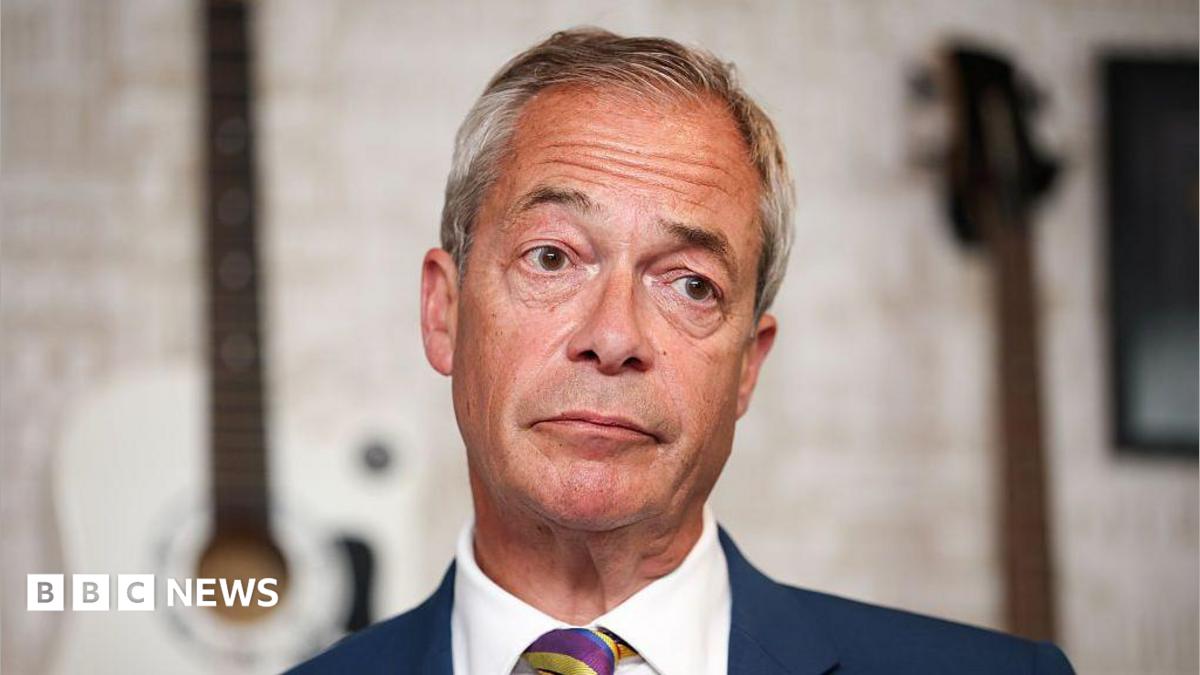
Nigel Farage has said he has “done no wrongdoing” after a BBC report suggested benefits from an ally were not declared. Farage’s denial was delivered quickly and directly as opposition parties sought clarity about the nature and timing of the reported support.
Farage denies wrongdoing
Farage said he had “done no wrongdoing” in response to the BBC report. His statement rejected any implication of impropriety and was reiterated by his team in follow-up briefings.
The leader of Reform UK framed his response as a clear denial while noting the matter had been reported as an allegation rather than a proven breach. The BBC article describes the claim as based on named sources and documents and makes clear some details were not independently verified at the time of publication.
Allegation on undeclared benefits
The BBC report set out an allegation that certain benefits from an ally were not declared. That allegation relates to whether particular forms of support were registered or disclosed under the relevant rules for political actors.
Because the claim concerns possible omissions from official disclosures, it has legal and political sensitivity. Journalists and officials typically treat such allegations as unproven until they are corroborated by records, filings or formal inquiry. The BBC itself noted limits to what had been independently confirmed.
Political reaction and calls for transparency
The Liberal Democrats publicly asked Mr Farage to be “straight with the British people” about the reported matters. Their demand called for full disclosure of any relevant information and for answers on the timing and nature of the alleged support.
Other parties and commentators also emphasised the need for transparency. Reform UK has said it will respond to queries and address any formal requests for information; the party faces a choice about how much detail to release while the facts are still being checked.
Opposition parties argue that rapid clarification is important to prevent speculation and to allow voters to make informed judgments. Their calls focus on disclosure and accountability, rather than on reaching conclusions before investigations or official checks are completed.
Why this matters for accountability
Allegations about undeclared benefits strike at the heart of public expectations about transparency. Voters and watchdogs expect political figures to disclose material support that could create conflicts or the appearance of influence.
How parties and politicians respond affects public trust. If enquiries are not handled openly, even unproven allegations can damage confidence in institutions and in the ability of the British people to judge whether rules have been followed.
What comes next
The immediate next steps are likely to include requests for documentation and formal statements from those involved. Media organisations such as BBC News will continue reporting and may publish further details as they are verified.
Political parties may seek formal clarification, and regulators or parliamentary authorities could be asked to look at any apparent gaps in declarations if complaints are lodged. Any official inquiry or review would aim to establish the facts and determine whether disclosure rules were followed.
At this stage, journalists, watchdogs and officials will seek documentary evidence such as filing records, emails or receipts to confirm or refute the allegation. Until such verification is made public, the claim should be treated as an allegation rather than an established fact.
Background
Nigel Farage is a high-profile figure in UK politics and the leader of Reform UK. His financial and political relationships often draw close media scrutiny, and rival parties closely monitor disclosures related to donations, benefits or support.
Rules on declarations exist to help the public and regulators identify potential conflicts and to maintain trust in political processes. When questions arise, the normal course involves examining records and, where appropriate, referring matters to regulators or parliamentary standards bodies for independent assessment.
FAQ
What happened with Farage?
A BBC report said benefits from an ally were not declared, an allegation that prompted questions about transparency. Farage has responded by saying he has “done no wrongdoing.” The claim remains, in reporting terms, an allegation and has not been independently resolved in public records at the time of this update.
Why does Farage matter?
As leader of Reform UK, Farage is a prominent political figure whose actions and relationships attract public interest. Claims about undeclared benefits can influence perceptions of integrity and may prompt official checks or complaints.
What happens next?
Next steps can include requests for records, follow-up reporting by outlets such as BBC News, and potential referrals to regulators or parliamentary authorities if a formal complaint is made. Verification through documents or formal inquiries is needed to determine whether any rules were breached.
Source: BBC News — Farage says he’s ‘done no wrongdoing’ after benefits from ally not declared