Trump Accounts are beginning a national rollout that officials say includes about six million children signed up so far and roughly 1.4 million eligible children in Pennsylvania, used by advocates as a local benchmark for outreach and enrollment activity (Fox News op-ed). This explainer lays out the program basics, who can enroll, what is publicly reported about funding, why projections should be treated cautiously, and what families in Pennsylvania should watch for next.
Short version: Trump Accounts are described by supporters as tax-advantaged child savings accounts that include a reported $1,000 Treasury seed for each child born between 2025 and 2028, additional philanthropic top-ups for some lower-income children, and an expected national availability date of July 4. Many details remain contingent on administrative guidance, state rollouts, and verification of philanthropic commitments.
What are Trump Accounts?
According to public reporting, Trump Accounts are a new category of child savings accounts included in the package known as the Working Families Tax Cuts Act and are scheduled to become available on July 4. The central feature public reports emphasize is a one-time $1,000 Treasury seed contribution for children born in the 2025–2028 window. Supporters describe the accounts as tax-advantaged vehicles intended to encourage long-term saving and broaden ownership of financial assets.
Who is eligible and how to sign up
Public descriptions frame eligibility around children born between 2025 and 2028. Reporting also describes an additional $250 philanthropic top-up for eligible children ten and under in lower-income communities. Exact enrollment rules — including documentation, state-by-state portals, and deadlines — will be set out in official program guidance from the administering agencies and by states once systems are finalized.
Families should expect state-level variation in enrollment portals and timelines. Officials and advocates have highlighted early totals — roughly six million children enrolled nationwide and about 1.4 million eligible children in Pennsylvania — but those figures are from public reporting and should be confirmed with state enrollment dashboards when they go live (Fox News op-ed).
Who is funding the accounts and what that means
The rollout emphasizes private philanthropy alongside Treasury seed funding. Public reports have named a reported $6.25 billion pledge from Michael and Susan Dell intended to seed accounts for up to 25 million children. Advocates say private commitments mean the initiative does not expand federal outlays.
Important caveat: reporting to date describes these commitments as pledges. Independent verification is needed to confirm how much money is legally committed, over what time horizon, what conditions apply, and whether funds are structured as irrevocable endowments, multi-year grants, or conditional agreements. Observers should look for formal press releases, signed grant agreements, and filings by philanthropic organizations or their fiscal sponsors to confirm long-term availability.
Why it matters: projections and caveats
Supporters often point to the power of compounding to illustrate the possible benefits of early seed money. One commonly cited illustration says a $1,000 seed at birth plus an additional $10 per week invested over decades could grow to nearly $400,000 by age 60. That figure is an illustrative scenario, not a guarantee.
To be clear about assumptions: an illustrative calculation depends heavily on the assumed annual return rate and compounding frequency, whether contributions continue, account fees, tax treatment, and inflation. For example, using annual compounding and steady yearly contributions of $520 (about $10/week), a 60-year accumulation yields very different endpoints depending on assumed nominal annual returns: roughly $200,000 at a 5% return, about $310,000 at 6%, and nearly $480,000 at 7% before accounting for taxes, fees, and inflation. These numbers are illustrative and show why a single headline number can be misleading. Net outcomes for families will vary with investment choices, costs, and whether regular contributions occur.
Analysts also note that broader ownership patterns matter. Public reporting and economic analyses show that stock and asset ownership are concentrated among higher-wealth households; expanding account access may help build savings for more families but will not, by itself, erase longstanding wealth disparities.
What comes next
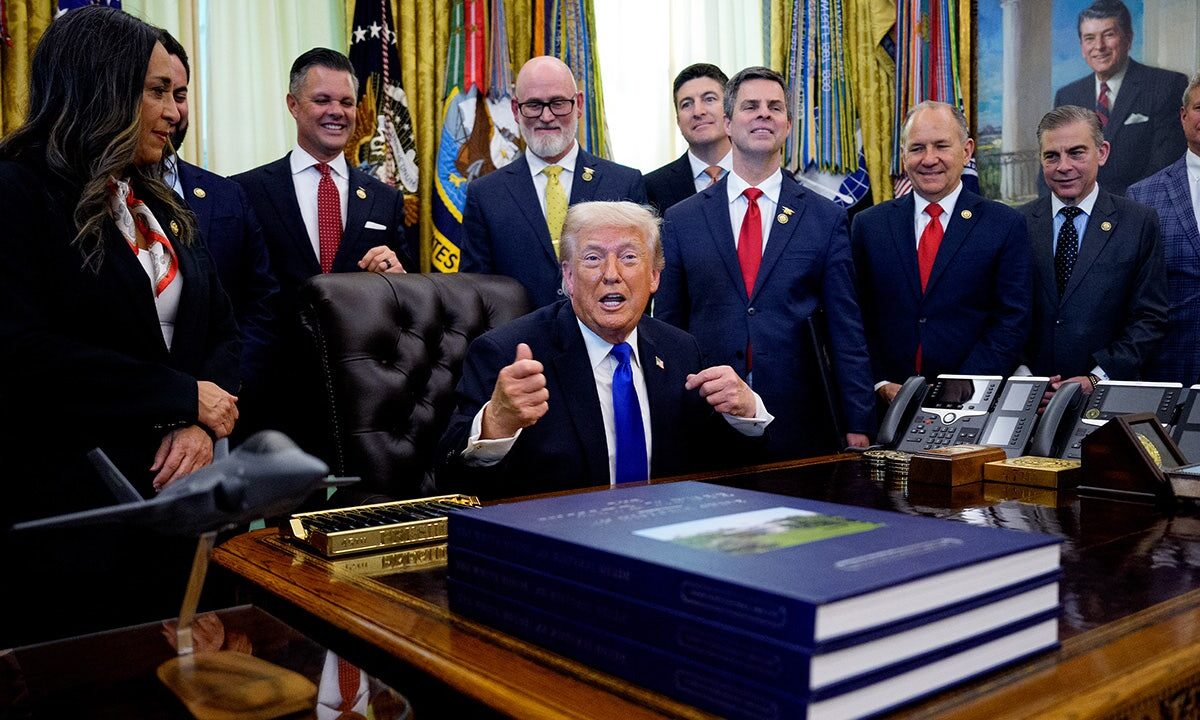
Practical next steps include publication of official administrative guidance, state-by-state enrollment portals, verification of philanthropic commitments, and independent audits or reporting on program administration and costs. Public reports state that the Working Families Tax Cuts Act was signed into law on July 4 and that some lawmakers — including Sen. Dave McCormick — have described their votes as decisive; readers should consult official legislative records and the law text for confirmation of legislative details (Fox News op-ed).
Pennsylvania families should watch for state-level announcements this summer about enrollment portals, required documentation, and local outreach. State agencies and selected administrative partners will post the official steps to enroll and list available investment or account options.
By the numbers
- $1,000 — the reported Treasury seed for each child born between 2025 and 2028 (per public reporting).
- $250 — the reported philanthropic top-up for eligible children ten and under in lower-income communities (per public reporting).
- 6 million — children reported signed up so far nationwide (public reporting).
- 1.4 million — reported eligible children in Pennsylvania cited as a local enrollment benchmark.
- $6.25 billion — the reported pledge from Michael and Susan Dell to seed accounts for up to 25 million children (public reporting).
FAQ
Who is eligible for Trump Accounts?
Public reporting frames eligibility around children born between 2025 and 2028, with a reported $250 philanthropic boost for some eligible children ten and under in lower-income communities. Exact eligibility criteria and enrollment steps will be in official program guidance when accounts open.
How are the accounts funded and who pledged money?
Reports describe a mix of Treasury seed funding and large philanthropic pledges, including a reported $6.25 billion pledge from Michael and Susan Dell. These are reported pledges that require independent verification; look for formal grant agreements or foundation filings for binding commitments.
How realistic is the projection that $1,000 could grow to nearly $400,000?
That projection is illustrative and depends on steady long-term returns and regular additional contributions. Depending on assumed annual returns (for example, 5%–7%), outcomes from a $1,000 start plus $10/week over 60 years could plausibly range from roughly $200,000 to nearly $480,000 before taxes, fees, and inflation. Treat such figures as scenarios, not guarantees.
Sources and further reading
Primary public reporting used in this explainer: Fox News opinion piece by Sen. Dave McCormick, which summarizes the rollout and public claims about signups and philanthropic pledges: https://www.foxnews.com/opinion/sen-dave-mccormick-trump-accounts-give-all-americans-stake-prosperity.
Note on verification: many program details in early reporting are based on pledges and administration statements. Readers and reporters should consult the official law text, Treasury or White House guidance, state enrollment portals, and any published philanthropic grant agreements or foundation filings for primary-document confirmation before treating pledged amounts as guaranteed long-term funding.
Required source attribution: Fox News opinion piece by Sen. Dave McCormick — https://www.foxnews.com/opinion/sen-dave-mccormick-trump-accounts-give-all-americans-stake-prosperity