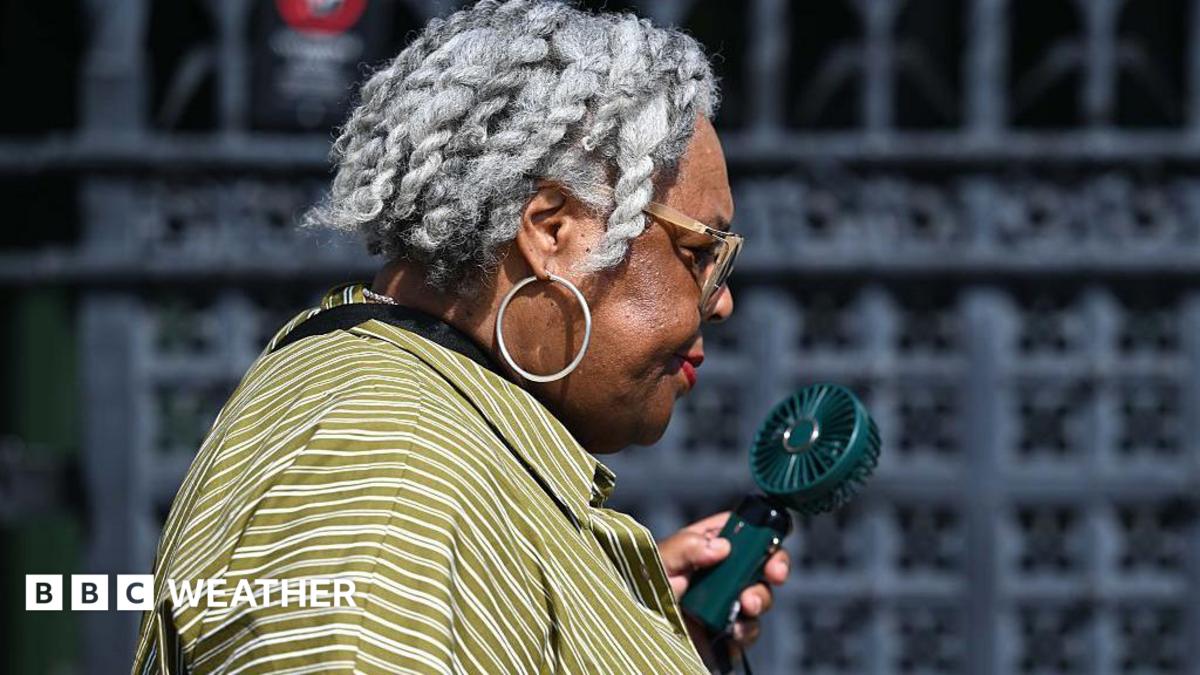
Amber heat-health alerts are in effect across parts of the UK as a heatwave is expected to bring highs near 36C (97F) to southern England this week. The warning urges people in counties such as Hampshire, Surrey, Kent, West and East Sussex, Berkshire and parts of the London outskirts to prepare for several days of sustained high temperatures.
The alert highlights higher risk to health and to public services. This is a developing forecast: the peak days and exact highs may shift as forecasters refine model runs and observations, so check updates from official sources in the coming days.
What the amber alerts cover
Amber heat-health alerts are issued to signal a heightened risk of harm from hot weather. They are intended to prompt action by health and social care services, local authorities, employers, schools and those who look after vulnerable people.
The current amber status focuses on parts of southern England rather than the whole UK. It means public health bodies expect elevated demand on health services and recommend stepped-up preparedness: ensuring cooling plans, checking staffing and reviewing care arrangements for people at risk.
Forecast: highs to 36C (97F) in southern England
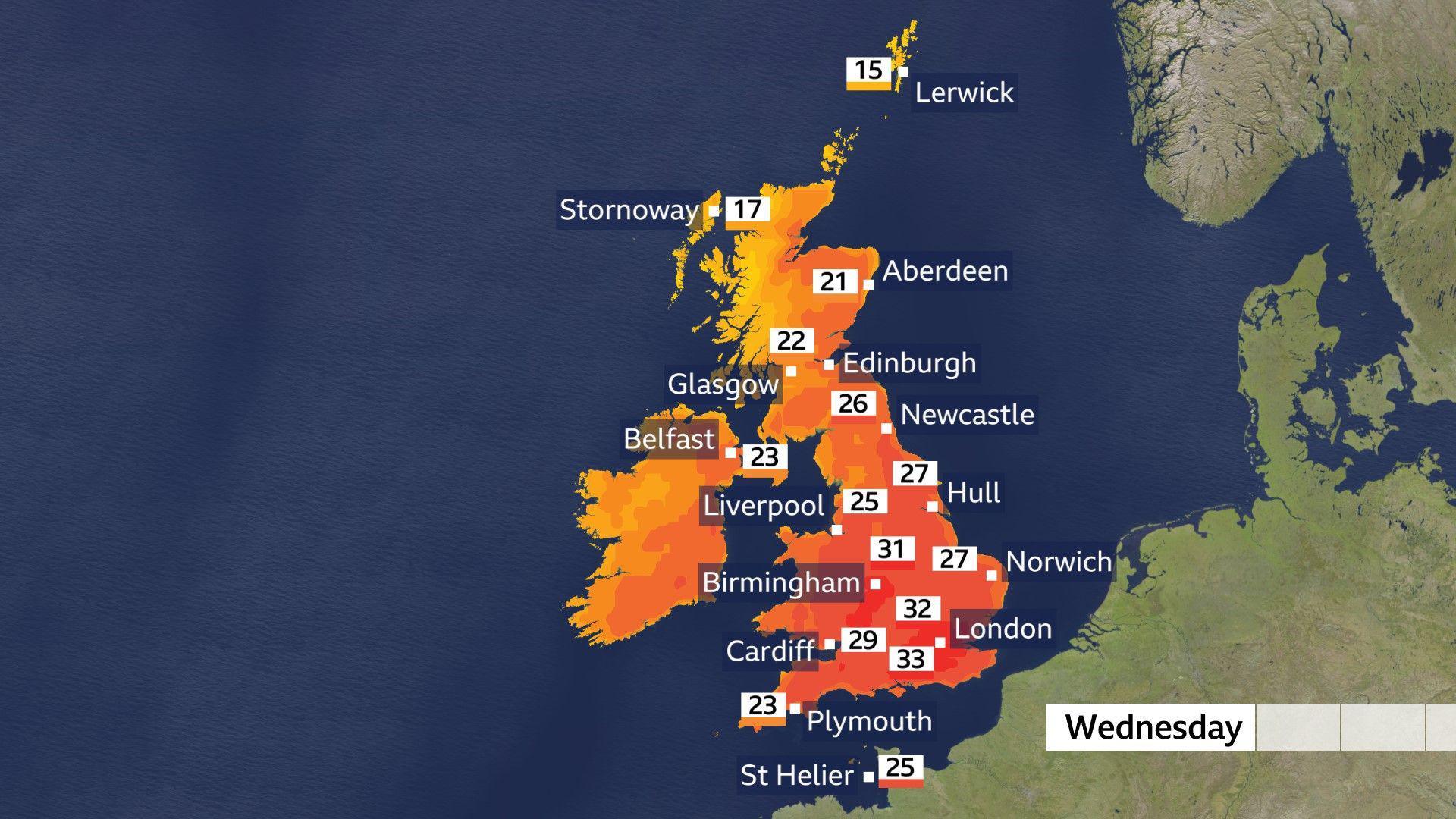
Forecast guidance indicates temperatures could reach about 36C (97F) in inland parts of southern England during the warmest days of the spell. Coastal districts will be cooler on average, but urban areas and towns inland can be several degrees warmer.
BBC Weather and national meteorological services are publishing timed forecasts and local maps showing likely peak days and areas most at risk. Expect the warmest conditions during clear, sunny periods and during the afternoon and early evening; overnight temperatures may also stay high in built-up areas.
Because forecasts change, the exact areas that reach the highest readings can move with new data. For the latest timing and maps, follow BBC Weather or your national meteorological office for updates and location-specific forecasts.
How long and how this compares to 1976
Forecasters say this event may last several consecutive days rather than being a single hot day, which is why some commentary has compared it with past prolonged events such as the 1976 heatwave. That comparison is about expected duration rather than a firm record-based conclusion.
Claims that this will be “one of the longest-lasting heatwaves since 1976” should be treated cautiously. Verifying such a statement needs detailed historical analysis and consistent criteria for what counts as a continuous heatwave period. Official record checks by meteorological services — for example the Met Office — and peer-reviewed assessments will be needed to confirm any direct comparison.
Forecast uncertainty grows further ahead in time. Meteorologists will refine estimates of duration and intensity over the next 48–72 hours as more model runs and observations become available.
Who is at risk and quick safety steps
A heatwave increases the risk of dehydration, heat exhaustion and heatstroke. Those most vulnerable include older adults, people with chronic health conditions (such as heart or respiratory disease), infants and very young children, pregnant people and anyone who is housebound or socially isolated. Outdoor workers and people doing strenuous activity are also at higher risk.
- Stay hydrated: drink regularly throughout the day, even if you do not feel thirsty.
- Avoid peak heat: limit strenuous activity between late morning and early evening when temperatures are highest.
- Keep cool indoors: close blinds in sunny rooms, create cross-ventilation or use cooling fans, and take cool showers if needed.
- Look out for others: check on older neighbours, relatives and those who may struggle to keep cool.
- Plan travel and work: if possible, reschedule heavy physical tasks to cooler parts of the day.
- Know the signs: seek emergency help for dizziness, confusion, fainting, very high body temperature or rapid breathing — these can be signs of heatstroke.
If you care for someone with chronic illness, follow any condition-specific advice from their clinician and local health services. Pharmacies and GP surgeries can give guidance on managing medications in hot weather, as some drugs affect how the body responds to heat.
What comes next
Weather and public health agencies will issue updated forecasts and alert statuses as conditions evolve. Expect updated model runs, hourly temperature updates for peak days, and any changes to local alert levels. BBC Weather and national meteorological services are primary public-facing sources for these updates; local councils and health bodies will publish region-specific advice.
Turn on official weather and emergency alerts on your phone and follow guidance from local public health teams if conditions change.
Brief FAQ
What does an amber heat-health alert mean and who issues it?
Amber alerts flag increased risk to health from high temperatures and are issued by national public health bodies and meteorological agencies working with local services. They prompt preparedness across health and social care, employers and community support networks.
How hot will it get and which areas face 36C?
Current forecasts point to highs near 36C (97F) for parts of inland southern England, with coastal and higher-elevation areas likely cooler. The exact locations and peak days may shift; check BBC Weather and official alerts for the latest local forecast.
What precautions should vulnerable people take during this heatwave?
Vulnerable people should stay hydrated, avoid the hottest hours, keep living spaces cool and shaded, take cool baths or showers, and keep medication guidance in mind. Carers should make regular checks and follow local health advice about when to seek further help.
Source: BBC News – Top Stories. Original reporting: Amber heat-health alerts in effect as UK set for one of longest-lasting heatwaves since 1976. Published 2026-07-07T23:10:07.000Z.