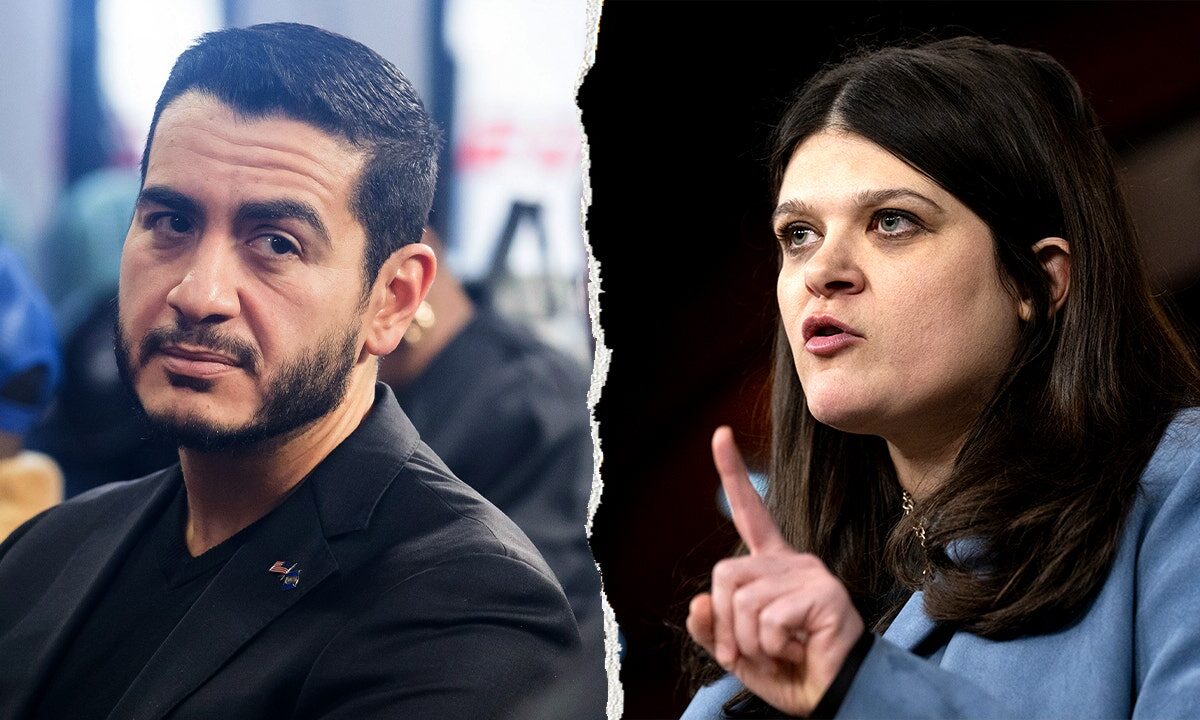
The Michigan Democratic Senate primary turned into a heated test of competing party visions Tuesday as Rep. Haley Stevens and progressive Abdul El-Sayed traded sharp accusations over outside spending, Israel policy and electability less than a month before voters pick a nominee.
If you want your politics dictated by AIPAC or Chuck Schumer, then I’m not your guy.
What my opponent needs to answer is, why is the GOP spending thousands of dollars to prop up his campaign, saying that he will make Mike Rogers the next U.S. senator?
Debate lede and key exchanges
The debate took place Tuesday and quickly centered on who outside groups and party leaders are backing. El‑Sayed accused Stevens of benefiting from millions in outside spending tied to pro‑Israel and corporate‑aligned groups. Stevens countered that outside Republican spending has aimed to elevate El‑Sayed in the primary, arguing the GOP sees him as an easier November opponent.
Both candidates used the stage to frame the contest: Stevens as the establishment pick with institutional support, and El‑Sayed as the insurgent challenging party orthodoxy. The back‑and‑forth included pointed references to AIPAC, Chuck Schumer and GOP ad buys — language and claims reported here as statements from the candidates or their surrogates.
Michigan Democratic Senate primary debate highlights
Endorsements and outside spending were central flashpoints in Tuesday’s debate. Stevens entered the contest backed by party leaders, including Senate Minority Leader Chuck Schumer. El‑Sayed highlighted endorsements from progressive figures such as Sen. Bernie Sanders and Rep. Alexandria Ocasio‑Cortez and positioned himself against what he described as corporate influence.
Union endorsements and organizing also featured in the debate. El‑Sayed noted backing from labor groups such as the UAW to underscore his appeal to working‑class voters, while Stevens pointed to her congressional record, background in manufacturing and economic policy to make an electability case in a swing state.
Policy contrasts and electability arguments
Policy differences were presented as competing paths to victory. El‑Sayed reiterated calls to abolish Immigration and Customs Enforcement and criticized Israeli government actions; those statements are reported here as his positions. Stevens framed her foreign policy approach around a two‑state solution and pressed El‑Sayed on transparency, noting her release of tax returns and urging him to do the same.
On domestic issues, the candidates differed on approaches to child care, taxation and technology policy. El‑Sayed called for broader access to child care funded in part by taxes targeting extreme wealth, while Stevens emphasized expanding grants and paid family leave. They also exchanged views on AI regulation, union labor standards and the role of data centers in Michigan communities.
Throughout, each campaign returned to electability. Stevens and her backers argue her coalition and endorsements make her the most viable candidate statewide; El‑Sayed and his supporters counter that an energized progressive base can change turnout dynamics and the general‑election calculus.
Stakes for November and why it matters
The winner of the Michigan Democratic Senate primary will face former Rep. Mike Rogers in November for the open seat being vacated by Sen. Gary Peters. Party strategists view the contest as a top Republican target, making the Democratic primary outcome consequential for control of the Senate majority next year.
Both sides tied funding and endorsements to broader arguments about accountability and fitness for a general election fight: outside spending can buy airtime and messaging advantages in the closing weeks, while endorsements signal party unity or division heading into November.
What comes next and timeline
The debate came roughly four weeks before Michigan’s primary. After the primary, the Democratic nominee will pivot to the general election where they will take on Republican Mike Rogers. The campaign calendar in the coming weeks will focus on final voter outreach, ad buys and get‑out‑the‑vote efforts across key Michigan constituencies.
Earlier this month, state Sen. Mallory McMorrow suspended her campaign and pledged support to the eventual Democratic nominee, narrowing the field and consolidating choices for primary voters.
Source attribution
This report is based on coverage and reporting by Fox News. Sensitive allegations and contentious characterizations — including claims about outside groups and descriptions of actions in Gaza — are reported here as statements made by the candidates or their surrogates and are attributed in the story.
Source: Fox News
Frequently asked
Rep. Haley Stevens and Abdul El‑Sayed faced off in the debate referenced here, trading accusations over outside spending, endorsements and policy.
Endorsements from party leaders and unions and millions in outside spending were central themes. Stevens is backed by establishment figures; El‑Sayed has progressive endorsements. Both candidates accused outside groups of trying to influence the outcome.
The primary will determine the Democratic nominee, who will face former Rep. Mike Rogers in November for the open Senate seat vacated by Sen. Gary Peters. Campaigns will focus on voter outreach and ad efforts leading into the general election.