Latest News
An extreme marine heatwave is expected to develop in parts of the UK, scientists quoted by BBC News have warned. The marine heatwave alert signals a rapid rise in sea temperatures that could stress marine life and alter coastal ecosystems if the pattern persists.
Authorities and researchers are watching ocean conditions closely. BBC News – Top Stories reported the alert on 7 July 2026, emphasising uncertainty over timing and the fact that not all coastal areas will necessarily be affected.
Quick summary
BBC News – Top Stories reports an “extreme” marine heatwave is expected for parts of the UK. The bulletin flags unusually high sea-surface temperatures that may develop over coming days and weeks and could have immediate ecological implications.
The notice is preliminary: scientists interviewed by BBC News stress it does not mean every coastal area will be affected. No single peak temperature was given in the initial report; instead, the emphasis is on evolving observations and the potential for rapid change.
Where and when could it hit
Forecasters say the marine heatwave signal is linked to a broad pattern of above-average sea temperatures in the region. The alert applies to parts of the UK coastline rather than the whole country, and local conditions will vary with tides, currents and coastal geography.
At the time of the BBC report there were no public estimates of exact peak temperatures or a definitive map of affected zones. Scientists and monitoring agencies expect the situation may change quickly as new satellite and in-situ data arrive.
Monitoring teams are prioritising near-shore and offshore observations to narrow which coastal waters are most at risk and to estimate when impacts might begin. Local authorities and fisheries managers may issue further guidance as forecasts are refined.
What scientists warn about the marine heatwave
Scientists quoted by BBC News warn that a sustained rise in sea temperatures could have wide-ranging consequences for marine life. They use the term “extreme” to describe the potential intensity of the event while noting substantial uncertainty about specific outcomes.
Experts tell BBC reporters that rapid warming places physiological stress on organisms adapted to narrower temperature ranges. Sensitive species such as certain shellfish, seagrasses and plankton communities may be especially vulnerable, which can cascade through food webs and habitats.
The BBC report highlights that early warnings often do not include detailed temperature thresholds; researchers say this lack of initial precision does not mean the risk is minor. Ongoing observational sampling—by buoys, research vessels and satellite remote sensing—will be needed to confirm the scale and intensity of any heatwave.
Potential impacts on marine life and fisheries
Higher sea temperatures can reduce dissolved oxygen levels and favour the growth of harmful algal blooms, both of which put additional stress on marine organisms. Species near their thermal limits may face increased mortality or be forced to relocate to cooler waters, affecting local biodiversity.
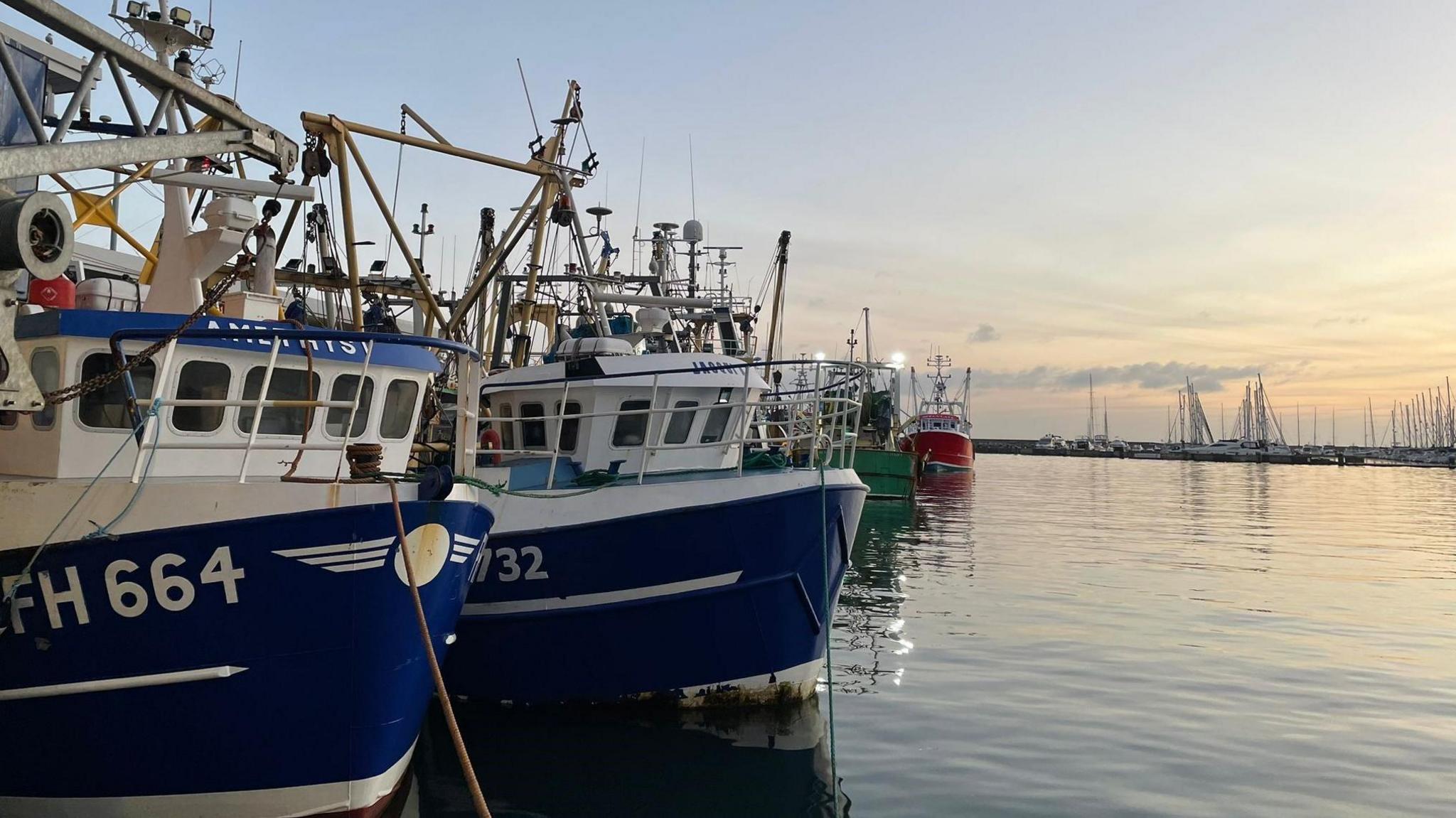
Fisheries and aquaculture could experience short-term disruptions if targeted species shift distribution or experience mass mortalities. Commercial catches may vary, and managers could impose temporary restrictions or closures if ecological risks are identified and verified by monitoring agencies.
Habitats such as kelp forests and seagrass beds are particularly susceptible to sustained warming. Degradation of these habitats can reduce shelter and feeding grounds for many species, weaken coastal protection, and slow ecosystem recovery even after temperatures fall back.
What to watch next
Monitoring is the immediate priority. Agencies named in the BBC coverage will track sea-surface temperature deviations, satellite indicators, and in-situ measurements from buoys and research cruises to refine forecasts and issue local advisories.
Key indicators to watch include sustained departures above seasonal averages, verified reports of mass strandings or unusual animal behaviour, and any confirmed increases in harmful algal bloom activity. Fisheries managers, conservation groups and local authorities will publish targeted guidance if conditions deteriorate.
BBC News will continue to report major developments as new data and expert assessments become available. Readers should look for updates from national meteorological and marine monitoring agencies for the most timely local information.
Background and context
Marine heatwaves are defined as prolonged periods of unusually high sea-surface temperatures relative to the typical range for a location and time of year. These events, observed globally in recent decades, have been linked to ecosystem disruptions and economic costs in fisheries, tourism and aquaculture.
Scientists have noted that climate-driven ocean warming has increased the frequency and intensity of marine heatwaves worldwide, making monitoring and rapid response more important for protecting marine ecosystems and industries that depend on them.
Frequently asked questions
What is a marine heatwave?
A marine heatwave is a period—days, weeks or longer—when sea-surface temperatures are significantly above the typical seasonal range. Identification relies on observational records and statistical thresholds; BBC News provides the initial alert in this case.
Which parts of the UK are expected to be affected?
The warning covers parts of the UK coastline rather than the whole country. Officials have not yet released a detailed map of affected zones; further updates from monitoring agencies will refine which coastal areas face the highest risk.
How could this heatwave affect marine life?
Prolonged higher sea temperatures can stress or kill sensitive species, encourage harmful algal blooms, and damage habitats such as kelp forests and seagrass, with knock-on effects for biodiversity and local fisheries.
Source attribution
Source: BBC News – Top Stories. Original report titled “‘Extreme’ marine heatwave expected for parts of UK”, published 7 July 2026. For verification, see the BBC article: https://www.bbc.co.uk/news/articles/ckg888vpz4do?at_medium=RSS&at_campaign=rss. This article is based on reporting and quotes attributed to scientists and monitoring agencies in the BBC coverage.