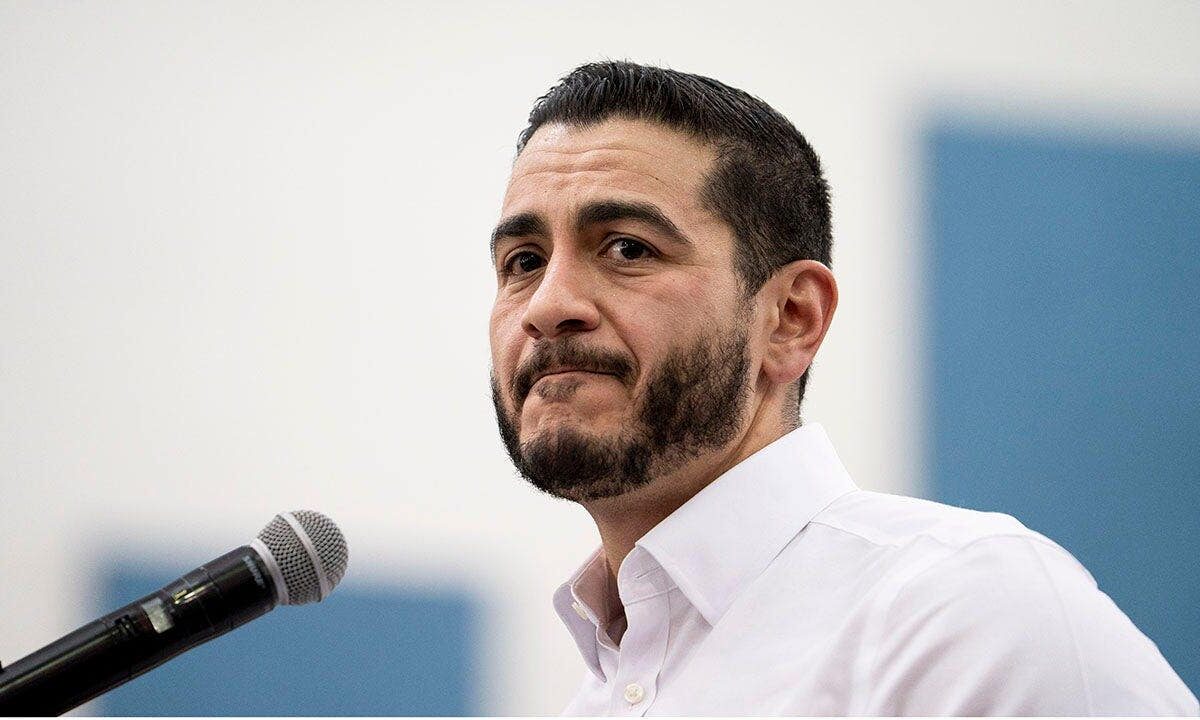
Abdul El-Sayed is facing renewed scrutiny after Fox News published unearthed interviews and a University of Michigan talk that show him questioning police funding and the use of force. The clips, which surfaced as he competes in the Democratic primary for Michigan’s open Senate seat, prompted the candidate to reiterate that he never explicitly called to “defund the police.” (Source: Fox News.)
In short, the reporting juxtaposes older remarks in which El-Sayed questioned the scale and funding of policing with his more recent denials and clarifications. His campaign says the older remarks lack context and that his position emphasizes reallocating some public dollars toward public-health and violence-prevention efforts rather than eliminating policing entirely.
What the surfaced videos show
The Fox News package includes a University of Michigan talk from several years ago (titled in reporting as “Systemic Racism as a Public Health Issue”) in which El-Sayed asked whether investment in policing matched other public-health and anti-poverty priorities. In that clip, he questions why “we are investing so much in people with guns and less in people with the means of being able to invest in young folks,” according to the video excerpt cited by Fox News. (Reporting and the embedded clip: Fox News; University of Michigan talk as linked in that coverage.)
Other excerpts in the package show El-Sayed discussing the use of force by police and raising questions about the level of militarization and weapons in routine policing. The Fox News report frames those past comments against his recent public messaging that he did not call to “defund the police.” The news segment includes side-by-side presentation of past clips and contemporary statements to highlight the contrast reported by the outlet.
Abdul El-Sayed’s response and deleted tweets
El-Sayed and his campaign have pushed back on the characterization that he advocated eliminating police entirely. In a June 2020 interview with Detroit Public Radio, he said he did not use the phrase “defund the police” in the way some shorter social posts did, and later told interviewers he deleted earlier tweets because they could be taken out of context. (See the June 2020 interview archived at Detroit Public Radio: WDET.)
The campaign has repeatedly stated the policy goal is to reassign some public resources toward public-health programs, violence-intervention work and community services that address root causes of crime. “I deleted all the tweets, because I did not want them to be taken out of context,” El-Sayed said in media appearances while defending his record and intent, according to reporting that cites his interviews.
Campaign context and race impact
The timing is politically significant. El-Sayed is one of several Democrats vying in a competitive primary to replace Sen. Gary Peters, who is retiring; Rep. Haley Stevens is a prominent rival in the same primary. Opponents and outside groups may use the resurfaced footage in ads or debate preparations to question his messages on public safety and policing.
El-Sayed’s campaign advisers note his experience in public-health roles in Wayne County and say his views have been shaped by hands-on work in communities with high rates of violence. Supporters argue that his emphasis on public-health approaches and community violence intervention reflects specific policy proposals, not a single slogan.
Abdul El-Sayed’s policy record and public safety proposals
Reporting and campaign materials list policy items El-Sayed has supported or discussed: backing federal measures such as the George Floyd Justice in Policing Act, opposing militarized policing practices, expanding community violence intervention programs, and bolstering behavioral-health responses in place of some traditional law enforcement roles.
His campaign statements emphasize recruiting more officers from the communities they serve, improving training and retention, and redirecting funds toward prevention strategies. El-Sayed has framed the debate as a choice of budget priorities and programs rather than a single rhetorical demand: “One simple word has never been enough to fully explain the reforms we need for a challenge as complex as our criminal legal system,” a campaign release quoted him saying in prior coverage.
What to watch next
Primary voters and media will likely see more clips, interviews and targeted ads as the campaign progresses. How much the resurfaced footage shifts opinion will depend on whether viewers are shown fuller context for older remarks and on how clearly candidates tie critiques to concrete policy proposals.
Debates, subsequent interviews (including any follow-up with Detroit Public Radio or university-hosted events), and new ad purchases by opponents or allied groups are likely signals of whether this reporting materially changes voter perception in the Michigan Senate primary.
Source attribution and what to check next
This article draws on the Fox News package that published the unearthed interviews and on the University of Michigan talk cited in that coverage, and on El-Sayed’s June 2020 interview with Detroit Public Radio. Readers can review the reporting and primary materials for context:
- Fox News report and embedded clips
- University of Michigan (video cited in reporting)
- Detroit Public Radio (WDET) — June 2020 interview archive
Reporting notes that some tweets and short social posts from earlier periods have been deleted; where possible, readers should seek full recordings and transcripts to assess context. This story will be updated if campaigns or primary sources publish fuller source material or transcripts of the clips cited.
FAQ
Did Abdul El-Sayed call to defund the police?
El-Sayed has denied explicitly calling to “defund the police.” Reporting shows past remarks in which he questioned police funding and the use of force; his campaign says those remarks reflect a policy emphasis on reallocating some funds to public-health and community programs and that deleted tweets were removed to avoid miscontextualization.
What videos and interviews were published?
Fox News published unearthed interviews and a University of Michigan talk from roughly five years ago; the reporting also references a June 2020 Detroit Public Radio interview in which El-Sayed discussed framing and social media.
How could this affect the Michigan Senate race?
The clips provide material that opponents might use in the Democratic primary and could influence undecided voters. The effect will depend on how campaigns present the clips, whether fuller context is provided, and how voters weigh those clips against El-Sayed’s record and policy proposals.
Reporting sources: Fox News report and embedded clips; University of Michigan talk as cited in that report; June 2020 Detroit Public Radio (WDET) interview.