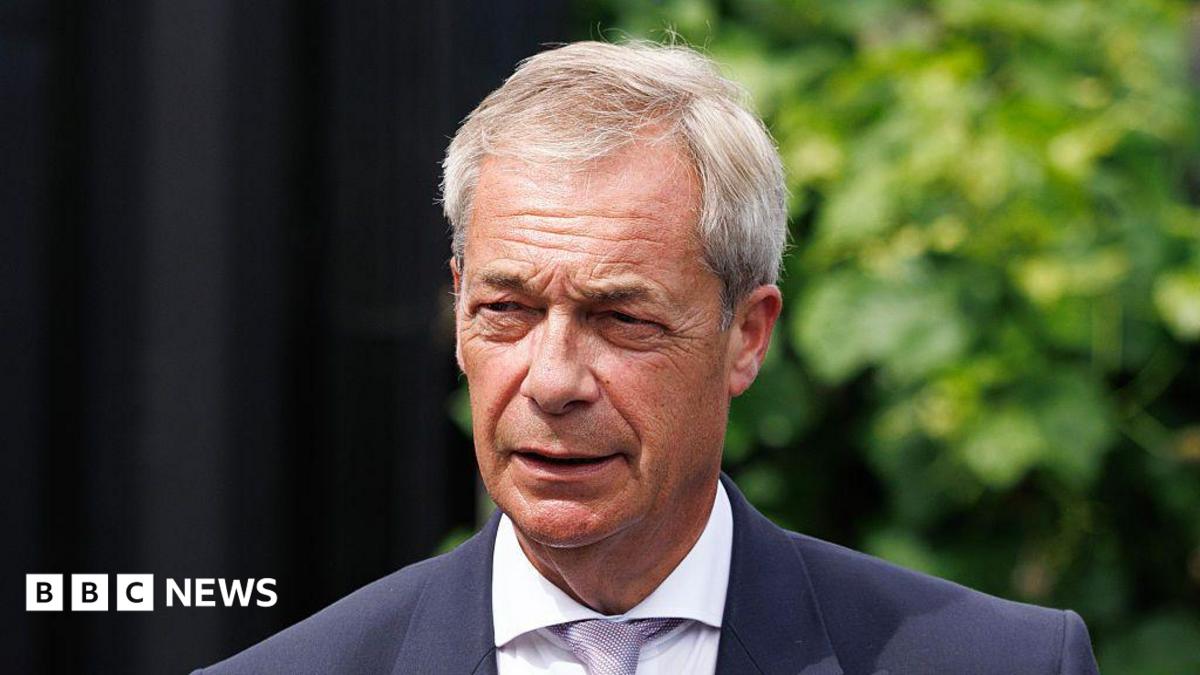
Reform MP Lee Anderson moved the writ in the House of Commons, formally triggering the Clacton by-election that is likely to take place on 13 August.
Commons move: what happened
The procedural step taken in the House of Commons — the moving of a writ — was carried out by Lee Anderson, the Reform MP, and marks the formal start of preparations for the Clacton by-election.
Moving a writ tells electoral authorities that a vacancy will be filled by a by-election and authorises the returning officer to publish a notice of election and set the detailed timetable under statutory rules. The BBC reported the Commons action and the likely polling date.
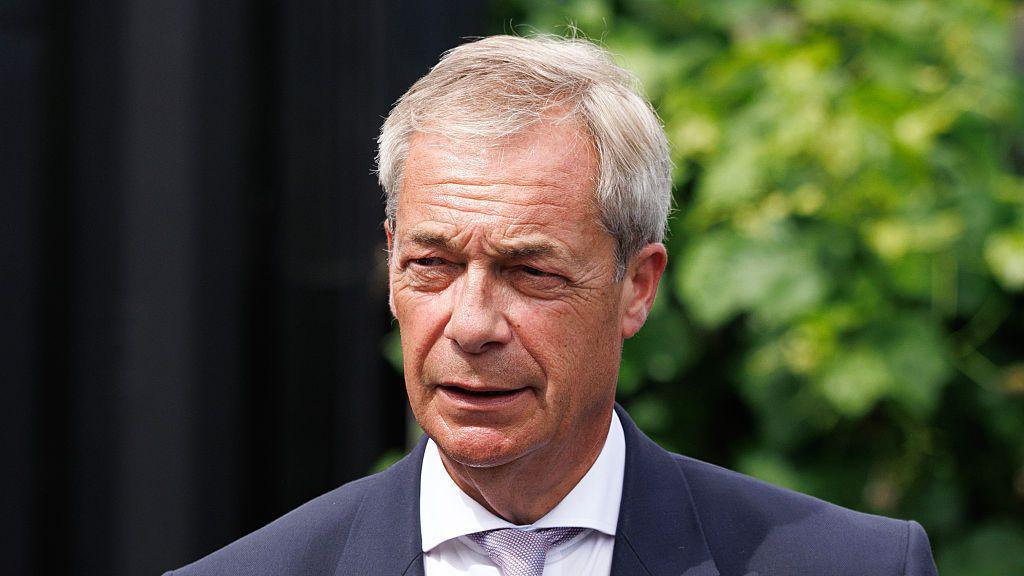
Clacton by-election: date and process
The Clacton by-election is described in reporting as likely to take place on 13 August; the word likely is used because the returning officer must still publish the official notice of election, which confirms the poll date and the timetable for nominations and voting arrangements.
Once the returning officer issues the notice, it will set the nomination deadline, the last date for postal vote applications, and the deadline to register to vote for this by-election. Those administrative steps turn a likely date into a confirmed schedule for voters and parties.
For prospective candidates, the notice of election also specifies the process for submitting nomination papers and the requirement to pay the parliamentary deposit (a standard part of UK parliamentary elections). Campaign teams should be prepared to meet the set deadlines as soon as they are published.
Local and national stakes
The Clacton contest is receiving attention beyond the town. The writ was moved by Lee Anderson of Reform, and media coverage has connected the seat to national figures and party strategy discussions, including mentions of Farage in coverage of broader political positioning.
For local voters, the immediate stake is straightforward: the by-election will decide who represents Clacton at Westminster until the next general election. That representative will handle constituency casework, local concerns and represent those voters’ interests in parliamentary debates.
Nationally, by-elections are watched as indicators of party momentum and tactical shifts. Parties use these contests to test messaging, mobilise volunteers and refine target strategies ahead of larger national campaigns. A strong showing or surprising result can attract media focus and influence perceptions of party strength.
What comes next
With the writ moved, the immediate next step is the returning officer publishing the notice of election; that document will confirm the poll date, nominate deadlines and key administrative timings. Expect that notice within days of the Commons procedure being completed.
After the notice is out, nomination papers must be submitted and accepted by the returning officer before the deadline. Campaigns will accelerate, with leafleting, canvassing, and local hustings likely to follow once candidates are confirmed. Postal vote applications and proxy vote arrangements will also follow statutory deadlines.
Although reporting describes 13 August as the likely date, this should not be treated as final until the returning officer’s notice is published; the timetable could be adjusted if administrative or logistical factors require it. Local authorities and party communications will post updates if any change occurs.
Voters should check the official council or returning officer website for precise details on registration, polling stations and how to apply for postal or proxy votes once the notice is published.
Background and context
By-elections happen when a seat becomes vacant between general elections. The moving of a writ in the House of Commons is the constitutional mechanism that starts the legally defined process to fill that vacancy by ballot. Media reporting so far has focused on the procedural confirmation and likely timing rather than announcing new candidates or formal endorsements.
Frequently asked questions
When is the Clacton by-election likely to take place?
Reporting indicates the by-election is likely to take place on 13 August, but this date should be confirmed when the returning officer publishes the official notice of election.
Who moved the writ in the House of Commons?
Reform MP Lee Anderson moved the writ in the House of Commons, the formal parliamentary step that initiates the by-election timetable.
Why is Farage linked to this Clacton by-election?
Coverage has linked the contest to Farage in the context of national party strategy and attention on the seat; current reporting confirms the writ was moved by Lee Anderson and highlights the procedural steps rather than direct endorsements. Further reporting may clarify any additional connections as candidates and campaign teams make announcements.
Source: BBC News – Farage’s by-election in Clacton officially confirmed