Democratic Socialists have become a prominent label in the 2026 Wisconsin governor contest, and State Rep. Francesca Hong is widely described as the Democratic frontrunner. A Fox News opinion piece reports a social-media video tied to Hong that referenced the New York Knicks and linked national progressive momentum to local ambitions; that report has been used by both supporters and critics to frame the debate.
The contest now splits into two clear narratives: a crowded Democratic primary with Hong leading and a Republican field coalescing around Rep. Tom Tiffany. Those differences will shape messaging, turnout efforts and how both parties plan for a potentially close general election.
Where Democratic Socialists fit in the Wisconsin primary
The label “Democratic Socialists” has moved from a fringe identifier to a meaningful campaign descriptor in this cycle’s Democratic primary. Francesca Hong is the frontrunner in a crowded Democratic field, and her campaign’s progressive policy emphasis has drawn energized supporters as well as partisan criticism.
Supporters say the label signals a distinct alternative to centrist Democrats and helps mobilize younger and urban voters. Opponents argue it could make the eventual nominee vulnerable statewide. Those critiques — often framed as describing a more progressive platform — are partisan characterizations and should be treated as contested unless independently verified by reporting or official policy texts.
Short campaign clips and social posts have become shorthand in the primary: allies point to them as authenticity, while critics use them to signal potential general-election liabilities.
Francesca Hong and the Democratic primary dynamics
Hong’s lead has reshaped the Democratic primary. Multiple contenders are competing for progressive and moderate constituencies, and Hong’s campaign strategy centers on grassroots organizing and base turnout in urban areas.
Allies describe Hong as an organizer who can expand turnout among younger voters and in Madison and Milwaukee suburbs. Critics have circulated statements and policy summaries to argue she represents a more left-leaning direction; campaign websites and candidate forums remain the clearest primary sources for exact proposals.
How the primary consolidates after the August window will matter: if Hong maintains a clear plurality, Democrats must decide how to broaden appeal for the November electorate while preserving the energy that delivered a primary win.
Tom Tiffany and the GOP case
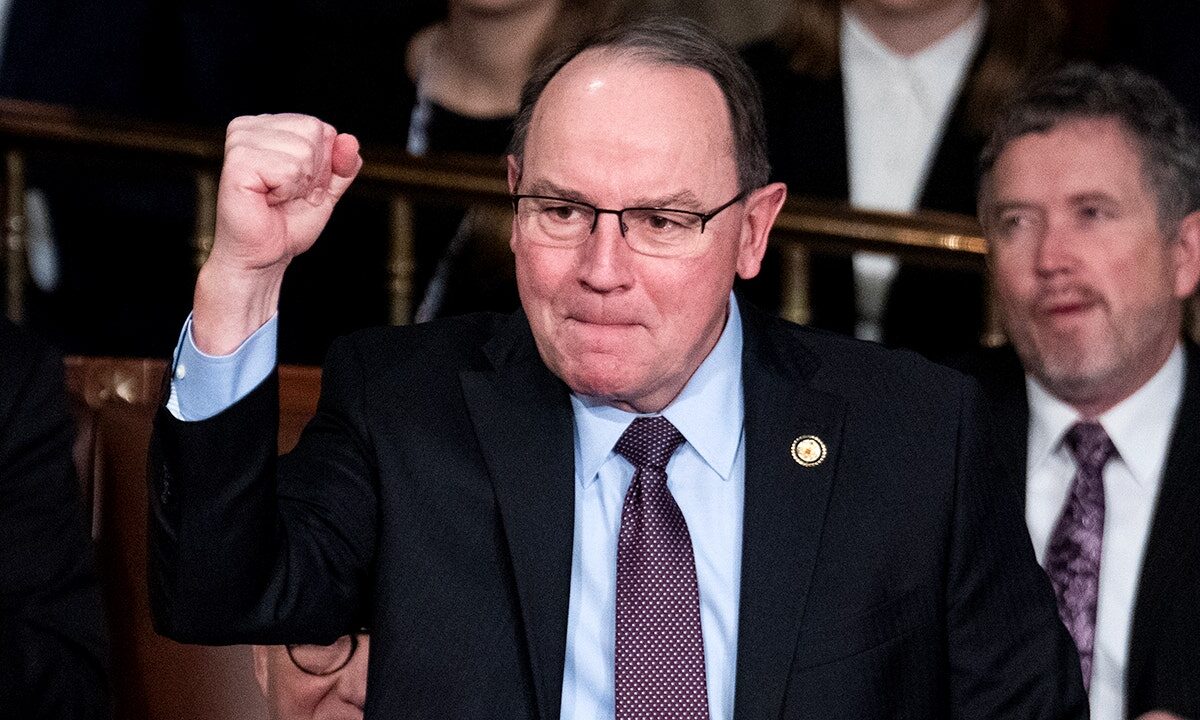
On the Republican side, Rep. Tom Tiffany has moved toward a de facto front-runner position. Tiffany’s campaign has dominated statewide airwaves in recent months, emphasizing his Wisconsin background and small-business themes.
Tiffany secured an early endorsement from delegates at a recent state convention, and his campaign points to fundraising and local organizing as evidence of consolidation. Republican messaging to date has focused on kitchen-table economics, regulatory reform and contrasting Tiffany’s record with what GOP strategists portray as the Democrats’ more progressive options.
If Tiffany becomes the GOP nominee, the campaign strategy appears aimed at combining sustained advertising with ground operations to defend swing suburban precincts and rural turnout margins.
Polling shifts and voter ideology in Wisconsin
Analysts often cite work by polling researchers such as Charles Franklin when discussing ideological shifts among Wisconsin Democrats. Franklin’s polling analysis and other public-opinion research have been used to argue that voters who identify as Democrats in the state have trended more liberal on some measures over recent cycles; readers should consult original polling briefs for methodology and details.
Turnout differences matter here: Wisconsin typically sees substantially higher turnout in November general elections than in April primaries. That gap means a candidate who wins a low-turnout primary by energizing a partisan base can face a different electorate in November.
Both campaign teams are watching whether primary gains among energized progressive voters hold through later months or whether Republican turnout and persuadable voters in suburbs and exurbs will offset those gains.
Why the race will be close and what to watch
State voting history and recent statewide results underscore Wisconsin’s battleground status. Observers note that Wisconsin voted for Donald Trump in 2016 and for Joe Biden in 2020, evidence of a competitive electorate. (Some outlets have summarized recent cycles by saying Trump carried Wisconsin two of the past three presidential elections; that formulation depends on the window counted and has been used as an interpretive point by commentators.)
Sen. Ron Johnson has won statewide Senate elections twice, illustrating the state’s willingness to split tickets. Both parties are expected to pour resources into Wisconsin again: national groups and state organizations will likely target suburban swing precincts, college towns and turnout operations across Milwaukee and Dane counties.
Key indicators to monitor: whether the Democratic primary consolidates around Hong or another nominee after August, the durability of Tiffany’s ad buy and grassroots reach, and late-breaking national or economic developments that shift voter priorities.
FAQ
Are Francesca Hong and Democratic Socialists the same group?
No. The term “Democratic Socialists” describes a broader political identity and movement. Francesca Hong is an individual candidate described by some outlets and opponents as aligned with that label; how closely she associates with national groups should be assessed from campaign materials and reporting.
What does Charles Franklin research say about Wisconsin Democrats?
Charles Franklin’s polling analyses are frequently cited to show ideological shifts among self-identified Democratic voters in Wisconsin. For precise measures, methodology and time series, consult Franklin’s published polling briefs and academic summaries.
How could Tom Tiffany’s campaign affect the general election?
Tiffany’s early consolidation, convention endorsement and sustained advertising have built name recognition and a grassroots base. If he becomes the GOP nominee, his approach will likely emphasize economic messaging and contrast to a Democratic opponent to attract swing and suburban voters.
Sources and attribution
This analysis relies on reporting and commentary that have highlighted the dynamics described above. Major attributions include:
- Fox News opinion coverage noting social-media material tied to Francesca Hong and broader commentary on Democratic Socialists: Fox News opinion.
- Public voting and turnout records maintained by the Wisconsin Elections Commission (official results and turnout comparisons between primaries and general elections).
- Polling analysis and briefs by Charles Franklin and other Wisconsin polling researchers (consult original poll reports for methodology and question wording).
Contested or partisan characterizations in this piece (for example, labels like “Democratic Socialists” or claims about how a candidate’s statements will perform in a general election) are noted as such and attributed to the outlets, campaigns or commentators making them. For complete verification of policy proposals and exact campaign statements, readers should consult campaign releases, candidate websites and primary source reporting.
Takeaway: The Wisconsin governor contest is shaping into a classic battleground test: a Democratic primary leaning toward a progressive frontrunner in Francesca Hong and a GOP campaign that has consolidated early around Tom Tiffany. Given Wisconsin’s recent swing-state behavior, both parties will likely invest heavily and test turnout strategies across the state.